Still floating. (Mostly.)
Warships, workboats, submarines, and the hulls that shaped history. What these vessels accomplished and what it cost the people inside them.
Featured Vessels
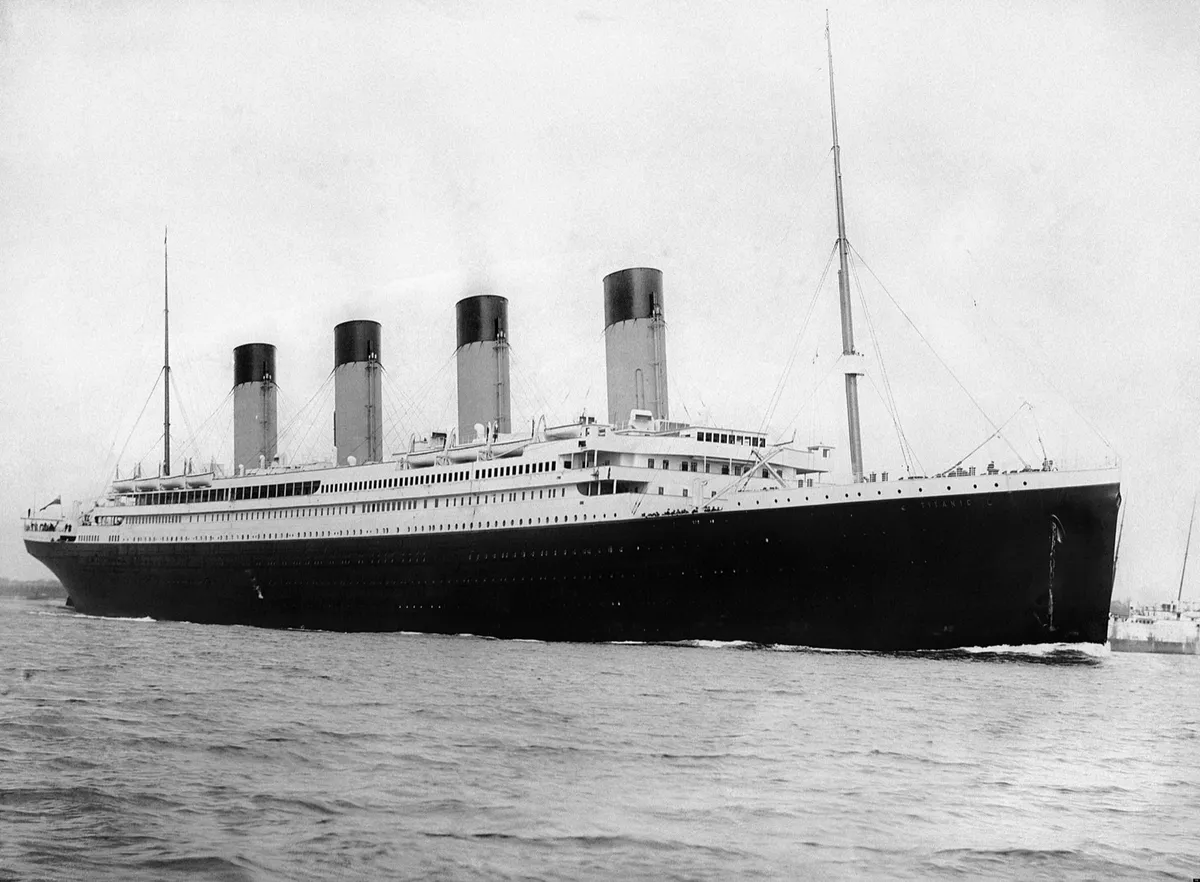
RMS Titanic
The Titanic story has been told so many times it's become wallpaper. Strip away the romance and you're left with something uglier: a ship built to showcase wealth, operated with criminal negligence, and sunk in a way that killed people along class lines. She hit an iceberg at 11:40 PM on April 14, 1912, about 370 miles south of Newfoundland. The berg opened a 300-foot gash along the starboard side, flooding five forward compartments. Thomas Andrews, the ship's designer, calculated she had maybe two hours. He was off by about 40 minutes. The lifeboats launched half-empty. Not because people refused to board them, but because the crew was poorly trained and the officers on the port side interpreted "women and children first" as "women and children only." Lifeboat 1 left with 12 people. It could hold 40. Meanwhile, third-class passengers found gates locked between decks. Some were held back by crew. The survival rate in first class was 62%. In third class it was 25%. 1,517 people died. Most of them didn't drown. The North Atlantic was 28 degrees Fahrenheit that night. People in life jackets floated alive for ten to fifteen minutes before cardiac arrest from hypothermia. The sounds carried for almost an hour. The survivors in the lifeboats listened. The disaster did accomplish something. The International Convention for the Safety of Life at Sea followed in 1914, mandating lifeboat capacity for every person aboard and 24-hour radio watches. It took 1,517 deaths to establish what should have been obvious.
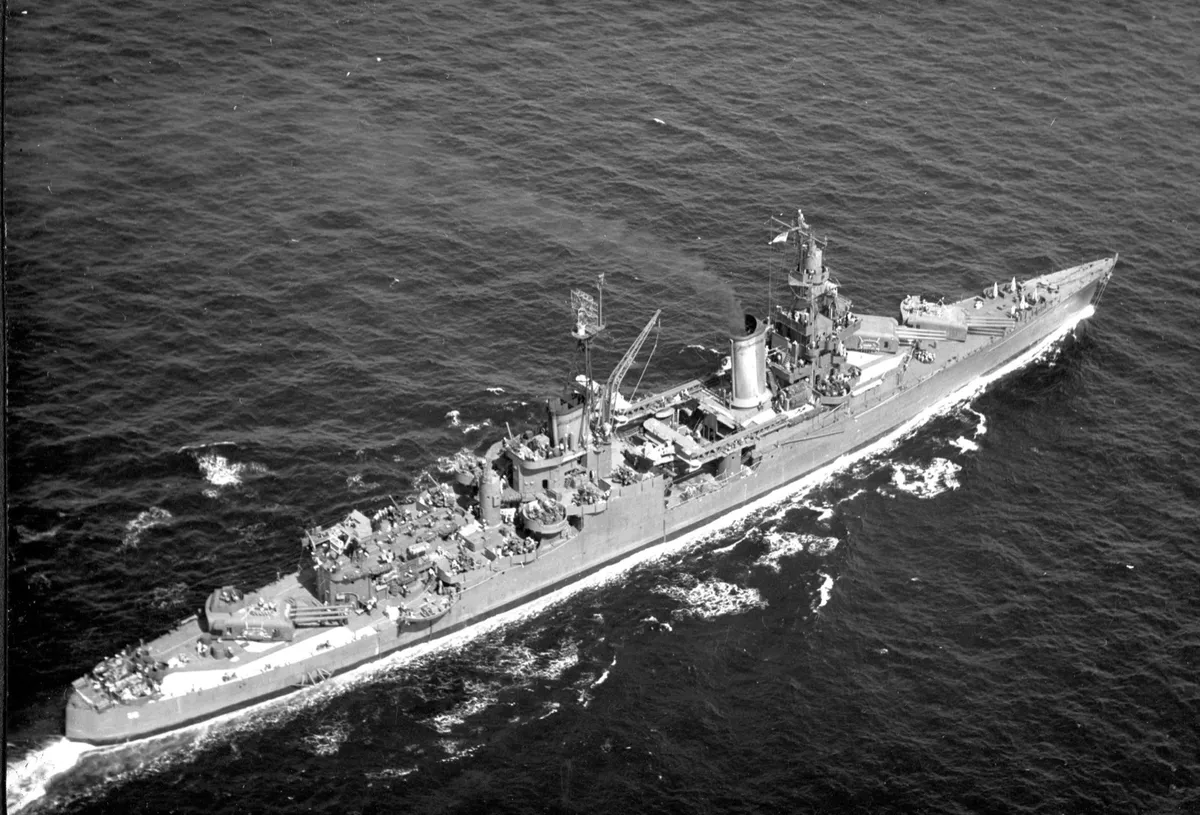
USS Indianapolis
USS Indianapolis delivered the components of the atomic bomb that would destroy Hiroshima. On the return trip, without escort, a Japanese submarine sank her with two torpedoes. Of 1,196 crew, roughly 900 made it into the water. They floated for four and a half days before rescue. Sharks, dehydration, salt water poisoning, and exposure killed approximately 580 men. Only 316 survived. It remains the worst shark attack in recorded history and the single largest loss of life from a single ship in U.S. Navy history. Captain McVay was court-martialed — the only U.S. Navy captain court-martialed for losing a ship to enemy action during WWII. He killed himself in 1968.
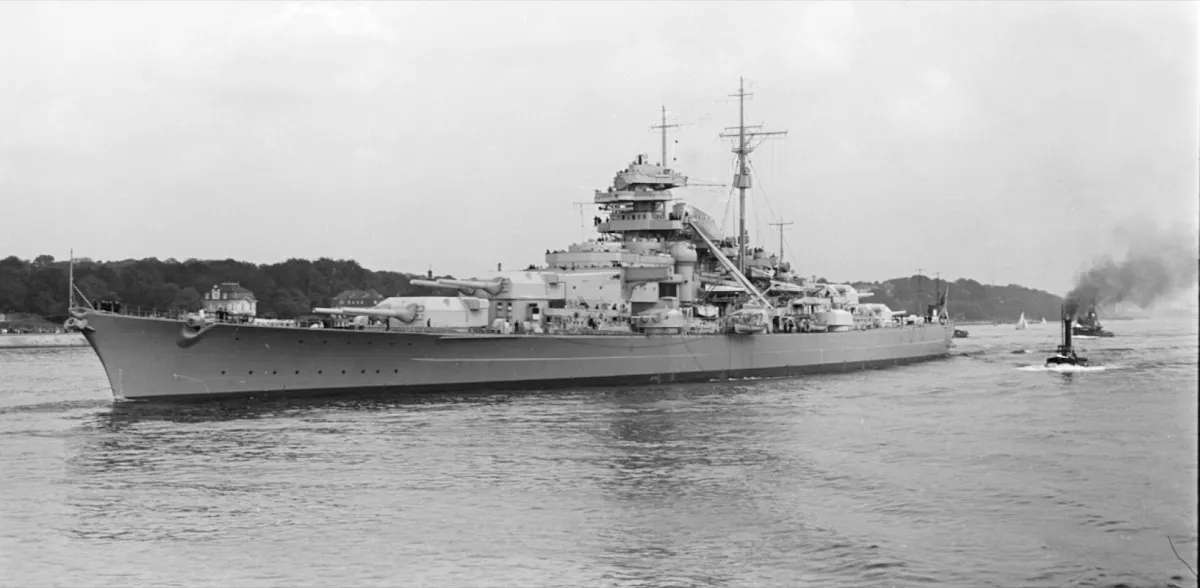
Bismarck
Bismarck's operational career lasted eight days. In that time, she became the most famous warship of the twentieth century. On May 24, 1941, she engaged HMS Hood and HMS Prince of Wales in the Denmark Strait. A shell from Bismarck penetrated Hood's magazine. The explosion broke Hood in half. She sank in three minutes. Of 1,418 crew, three survived. Hood was the pride of the Royal Navy. Churchill's order was immediate and absolute: sink the Bismarck. The Royal Navy sent everything. Battleships, carriers, cruisers, destroyers. Swordfish torpedo bombers — fabric-covered biplanes that looked like they belonged in the previous war — scored the hit that jammed Bismarck's rudder. She could only steam in circles. The next morning, King George V and Rodney pounded her for ninety minutes. Bismarck's crew scuttled her. Of 2,065 men, 114 survived.
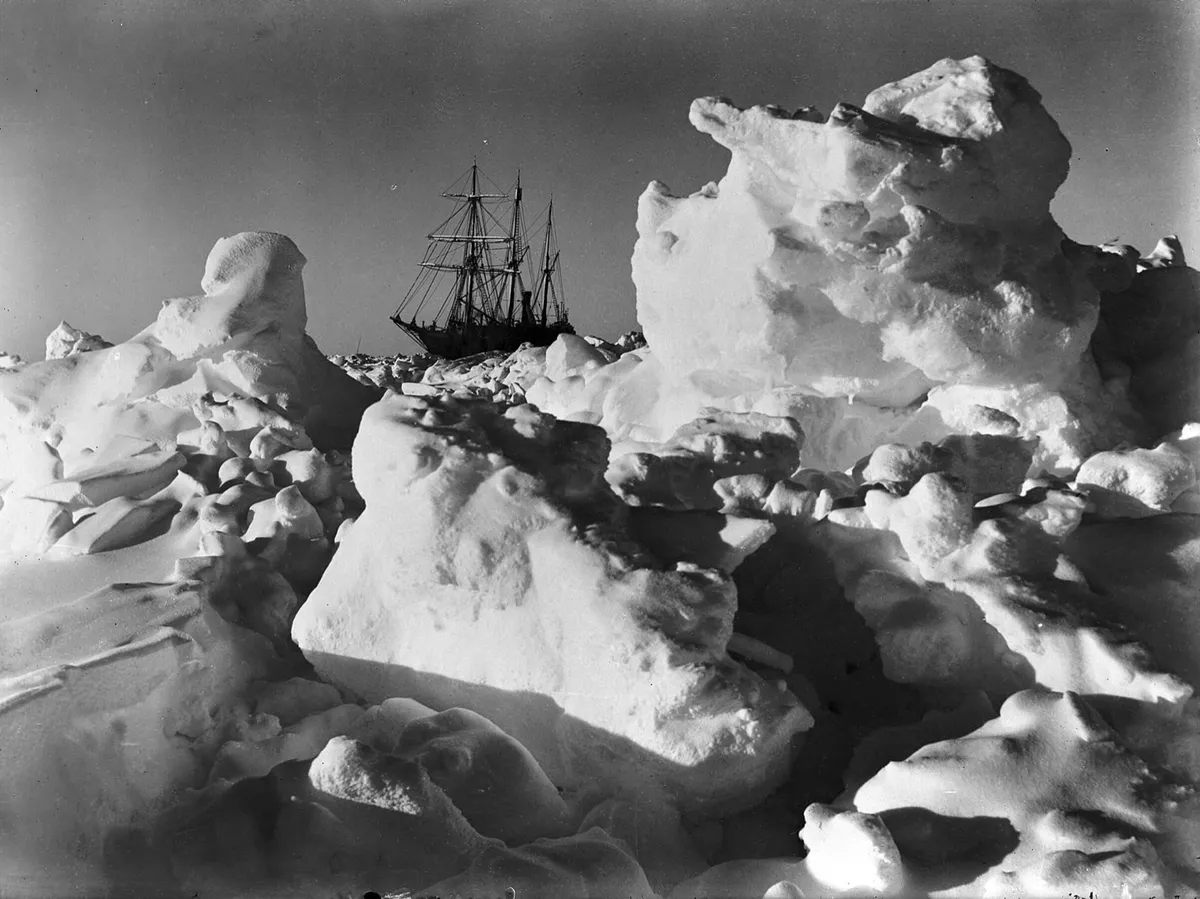
Endurance
Endurance never reached Antarctica. That's the first thing to understand. Shackleton's Imperial Trans-Antarctic Expedition was supposed to cross the continent from the Weddell Sea to the Ross Sea, roughly 1,800 miles over the pole. They didn't make it to shore. Endurance entered the Weddell Sea pack ice in December 1914 and became trapped on January 19, 1915. For ten months the crew lived aboard while the ice slowly crushed the ship around them. Frank Hurley's photographs show the hull buckling, the deck timbers splintering, the masts leaning at impossible angles. On October 27, 1915, Shackleton ordered the crew onto the ice. Endurance sank on November 21. What followed is the greatest survival story in the history of exploration. Twenty-eight men camped on drifting ice floes for five months, eating seals and penguins, watching the floe they lived on crack and shrink. When the ice broke up in April 1916, they launched three salvaged lifeboats and sailed through open Antarctic seas to Elephant Island, a desolate rock at the tip of the Antarctic Peninsula. It was the first time they'd stood on solid ground in 497 days. Shackleton then took five men in the 22-foot James Caird and sailed 800 miles across the Southern Ocean to South Georgia Island. The Drake Passage is the most violent stretch of open water on earth. The boat was open. They navigated by dead reckoning and occasional sun sights through storm clouds. They made landfall on the wrong side of the island and Shackleton, Worsley, and Crean then crossed South Georgia's unmapped mountain range on foot to reach the whaling station at Stromness. Not a single man died. All 28 survived. The Trans-Antarctic Expedition was a complete failure by its stated objective and an absolute triumph of leadership. Shackleton brought everybody home. The wreck was found in March 2022 by the Endurance22 expedition at a depth of 10,000 feet in the Weddell Sea. The ship is upright, intact, with the name "ENDURANCE" still clearly visible on the stern. The cold, low-oxygen water preserved her like no one expected.
F/V Andrea Gail
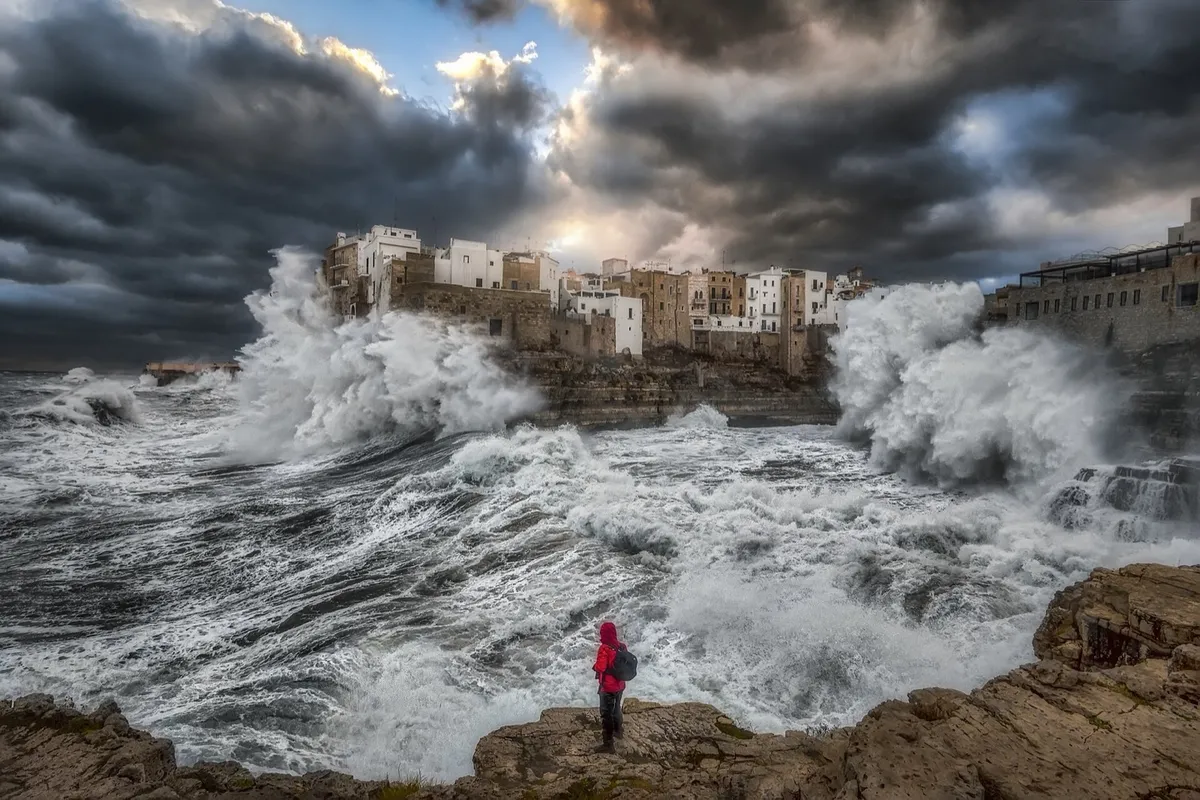
The Andrea Gail is the most famous fishing boat in American history, and she's famous for dying. Built in 1978 in Panama City, Florida, by Robert Brown Inc., she was a steel-hulled commercial swordfishing vessel working out of Gloucester, Massachusetts. On October 28, 1991, she left the Grand Banks heading home with a hold full of swordfish and ran straight into the collision of a nor'easter, Hurricane Grace, and a cold front. The meteorologists later called it the "Perfect Storm." Sebastian Junger wrote the book. Wolfgang Petersen made the movie with George Clooney. The Andrea Gail became shorthand for the sea taking what it wants. Six men died. Billy Tyne, the captain. Bobby Shatford, Dale Murphy, Michael "Bugsy" Moran, David Sullivan, and Alfred Pierre. Their names are on the Gloucester Fishermen's Memorial, along with more than 5,000 other names going back centuries. Gloucester has been burying fishermen since before the country existed. The boat was never found. The ocean is 15,000 feet deep where she likely went down. All that was recovered were some fuel drums, her EPIRB (emergency beacon), and a propane tank. The EPIRB had been manually activated, which means someone on the Andrea Gail knew they were in trouble and hit the button. Then nothing. The Andrea Gail represents something that Junger's book captured and the movie mostly missed. Commercial fishing is the most dangerous job in America. The men who do it aren't daredevils. They're working people trying to make a living. The economics of swordfishing in 1991 were brutal: long trips, uncertain catch, perishable product. Tyne pushed further east to the Flemish Cap because the fishing closer to home wasn't producing. The crew followed because that's what crews do. They trusted the captain and the boat and the forecast. The forecast was wrong.
Type VII U-boat
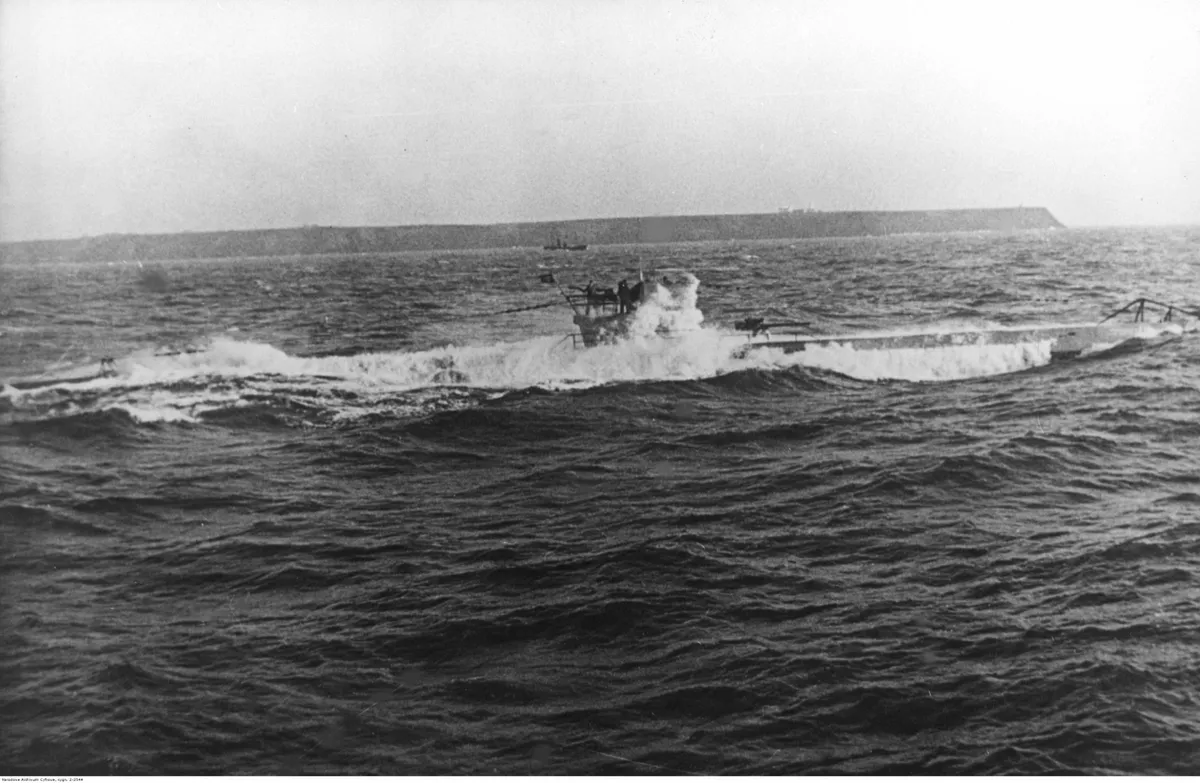
The Type VII was the workhorse of the German U-boat fleet and the most produced submarine class in history. Seven hundred and three were built. They nearly won the Battle of the Atlantic — in 1942, U-boats were sinking Allied merchant ships faster than they could be replaced. Churchill later wrote that the U-boat threat was 'the only thing that ever really frightened me during the war.' The Type VII was not a good submarine. It was cramped, slow underwater, and limited in range compared to American fleet boats. But it was cheap, quick to build, and deployed in numbers that overwhelmed Allied defenses until 1943, when improved radar, Ultra intelligence, and escort carriers turned the tide. Of roughly 40,000 men who served in U-boats, 30,000 died. A 75% fatality rate — the highest of any branch of any military in WWII.
SS Edmund Fitzgerald
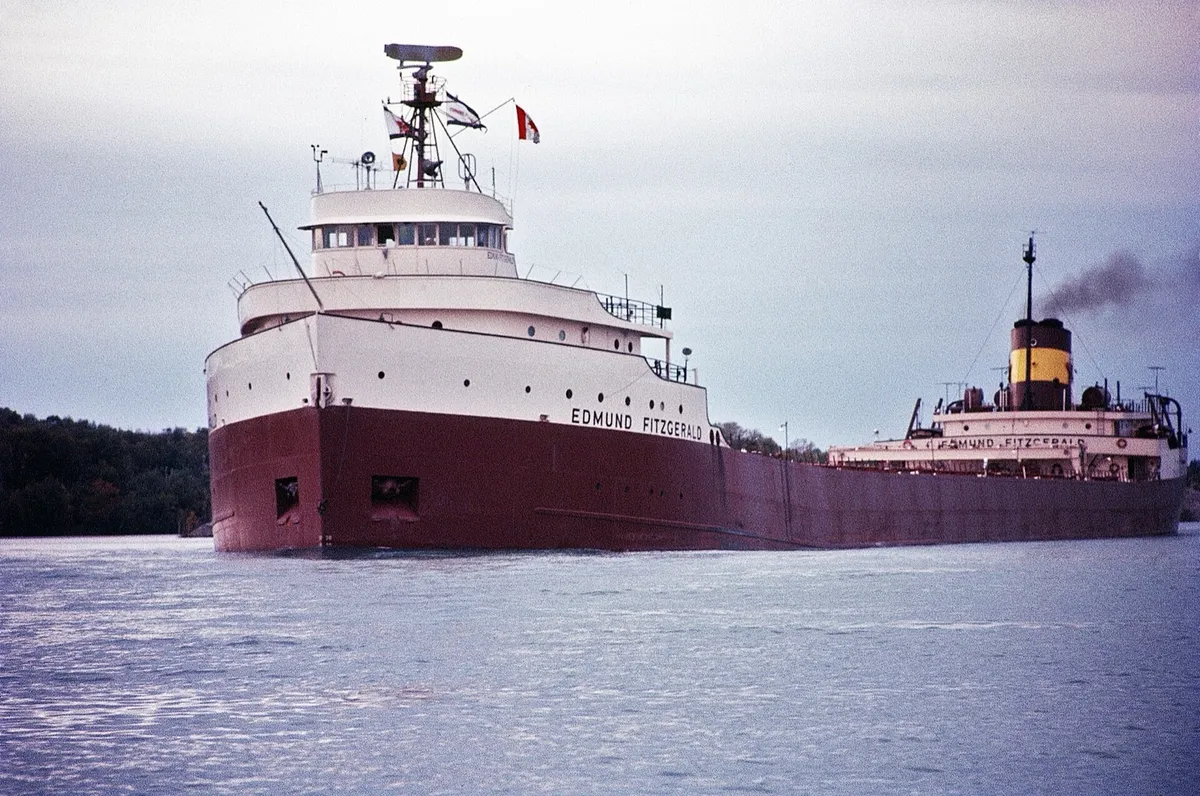
When the Edmund Fitzgerald launched in 1958, she was the largest ship on the Great Lakes and a point of pride for the iron ore trade. She spent seventeen years hauling taconite pellets between the mines of Minnesota and the steel mills of the lower lakes. She set cargo records. People watched her pass through the Soo Locks the way they'd watch a parade float. She had a nickname: the Fitz. On November 10, 1975, she sank in a storm on Lake Superior. All 29 crew members died. There was no distress signal. The last communication was Captain Ernest McSorley telling the Arthur M. Anderson, "We are holding our own." Then she was gone. The cause is still debated fifty years later, and that debate has become part of the story. The leading theories are structural failure from stress fractures in the hull, flooding through improperly secured hatch covers, shoaling over Six Fathom Shoal that ripped the bottom, or a rogue wave. The Coast Guard blamed the hatch covers. The lake pilots' union blamed structural failure. Nobody knows for certain because the crew isn't here to tell us. Gordon Lightfoot released "The Wreck of the Edmund Fitzgerald" a year later, and it turned a regional maritime disaster into a permanent piece of American folklore. The song plays in every bar in the Upper Peninsula. It made the Fitzgerald the most famous shipwreck in Great Lakes history, and it ensured that the 29 men who died would never be anonymous statistics. The wreck also forced real changes. The Coast Guard mandated stricter inspection schedules for Great Lakes freighters, required survival suits for crews, and tightened hatch cover standards. Twenty-nine men died to get those rules written.
Condoleezza Rice (Altair Voyager)
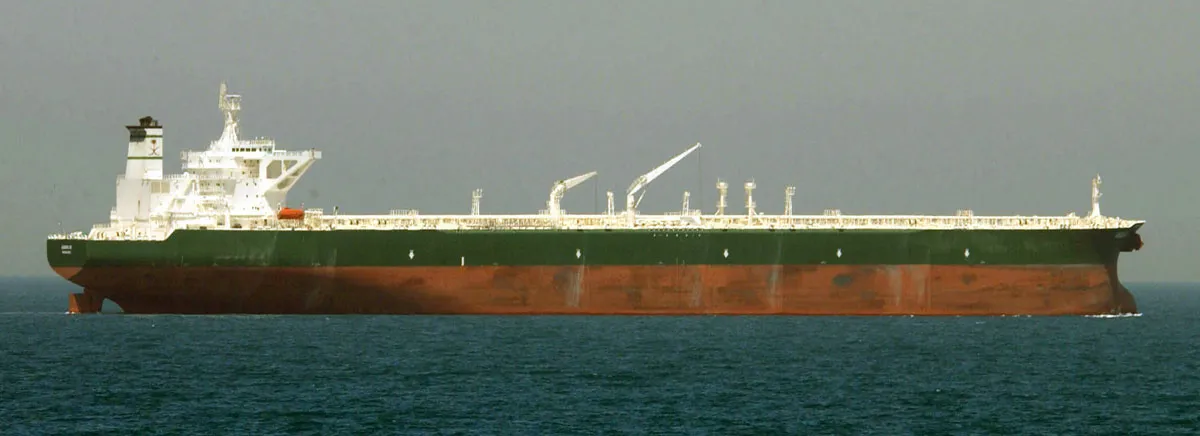
In 1993, Chevron named a 129,000-ton supertanker after Condoleezza Rice. She was a Chevron board member at the time, and naming tankers after board members and executives was standard practice. Nobody outside the oil industry noticed or cared. Then George W. Bush nominated Rice for National Security Advisor in late 2000, and suddenly the optics caught up. A sitting government official with a supertanker named after her by one of the world's largest oil companies. The revolving door between Big Oil and the federal government, floating around the world's oceans in 900 feet of painted steel. Chevron quietly renamed the ship Altair Voyager in April 2001, before Rice's confirmation, hoping the story would die. It didn't. It became shorthand for everything wrong with the relationship between fossil fuel companies and the people who regulate them. The ship itself is a standard VLCC. Nothing remarkable about the engineering. She carries a million barrels of crude oil across oceans, same as dozens of other tankers in the Chevron fleet. But she's the only tanker most people have heard of by name, and that's entirely because of the politics. The renaming didn't erase anything. It just made the original naming look worse. If there was nothing wrong with it, why change it? The story is a perfect capsule of how corporate power and government power blur at the edges, and how a 900-foot oil tanker became an accidental symbol of that blur. The Condoleezza Rice, whatever she's called now, is still out there hauling crude. She'll sail until the economics don't work, then she'll be beached and broken up in South Asia like every other superannuated tanker. The name on her stern was always the least important thing about her, and simultaneously the only thing that made her matter.
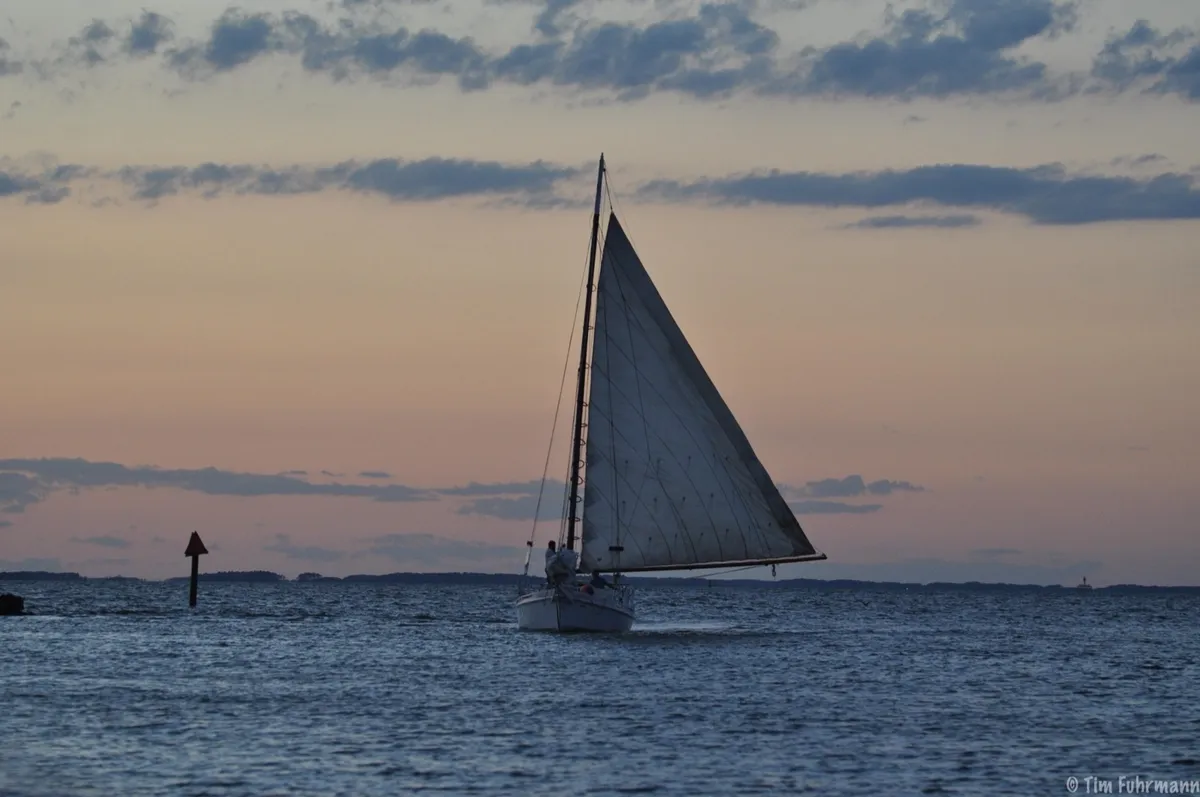
Chesapeake Skipjack
The Chesapeake skipjack is the last commercial sailing vessel in North America. Maryland law requires that oysters be dredged under sail — a conservation measure from 1865 that accidentally preserved an entire way of life. Skipjacks have been working the Chesapeake Bay since the 1890s, and a handful are still dredging oysters today. They're not preserved as museum pieces. They're still doing the job they were built for. The fleet has dwindled from thousands to fewer than thirty, but the ones that remain are working boats sailed by watermen whose families have been oystering for generations.
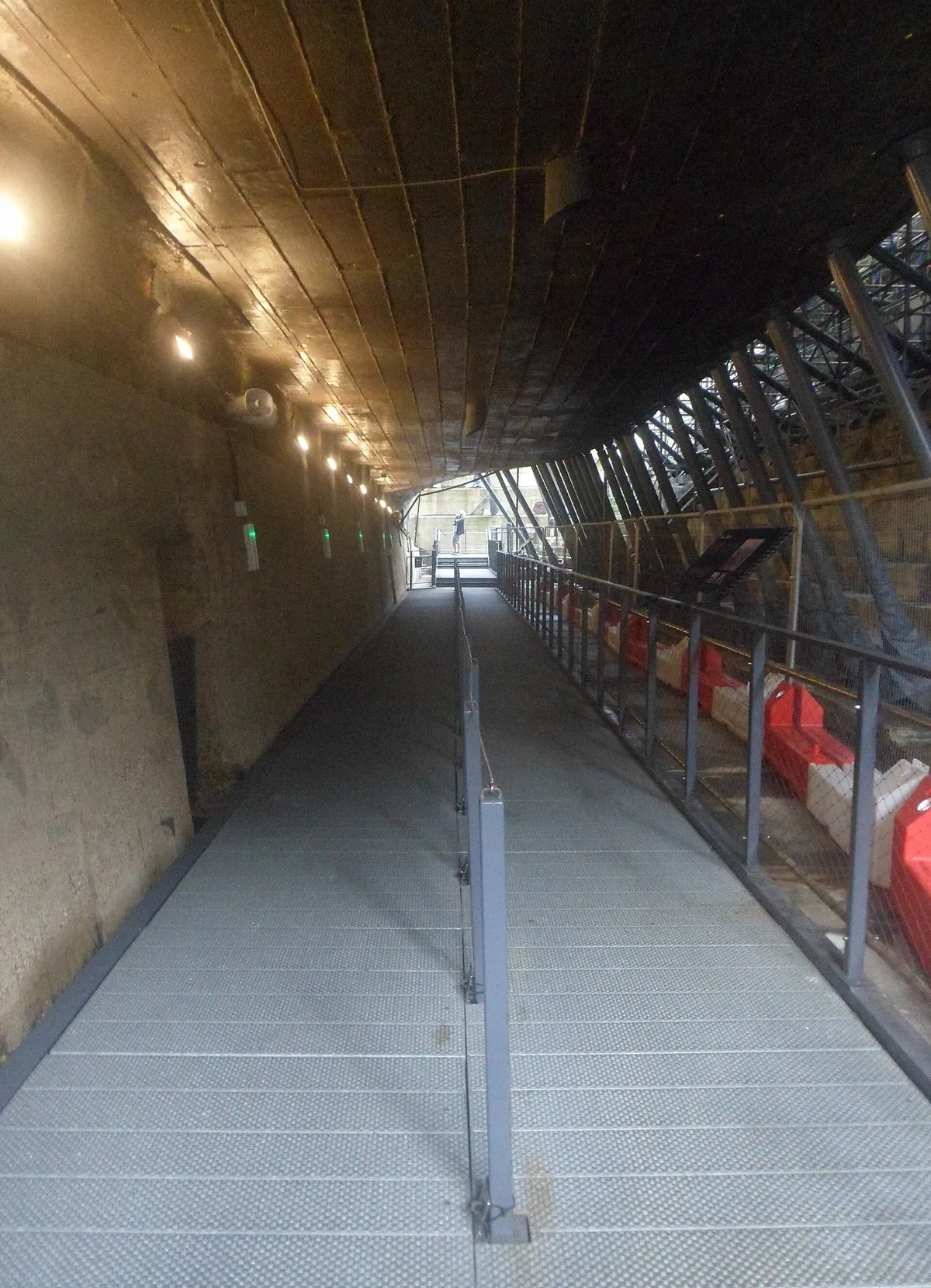
HMS Victory
HMS Victory is the ship where Horatio Nelson died. She's also the oldest commissioned warship in the world, still on the books of the Royal Navy after 260 years. But Nelson's death is the thing. It's always been the thing. At Trafalgar on October 21, 1805, Nelson led the British fleet in two columns directly at the combined French and Spanish line. This was deliberate insanity. Sailing straight at an enemy line meant the lead ships would take raking fire for 40 minutes before they could fire back. Victory was the lead ship of the windward column. She absorbed broadside after broadside before crashing through the enemy line between Bucentaure and Redoutable. Nelson stood on Victory's quarterdeck in full dress uniform with his medals and decorations clearly visible. His officers begged him to change or cover the insignia. He refused. At 1:15 p.m., a musket ball fired from the fighting top of Redoutable hit Nelson in the left shoulder, passed through his lung, and lodged in his spine. He was carried below to the orlop deck where the surgeon, William Beatty, told him there was nothing to be done. Nelson died at 4:30 p.m. His last confirmed words were "Thank God I have done my duty." Britain won Trafalgar. The combined fleet lost 22 ships. The Royal Navy lost none. Nelson's tactical genius and personal courage broke Napoleon's naval power permanently. Britain would rule the seas for the next century. The cost was one admiral, beloved by his sailors and his nation, bleeding out on the planking of his own ship while the guns roared overhead. Victory herself took 12 years to build. Six thousand trees, mostly English oak, went into her construction. She was launched in 1765, didn't commission until 1778, and served in the American Revolutionary War, the French Revolutionary Wars, and the Napoleonic Wars before Trafalgar. She's been in dry dock at Portsmouth since 1922.
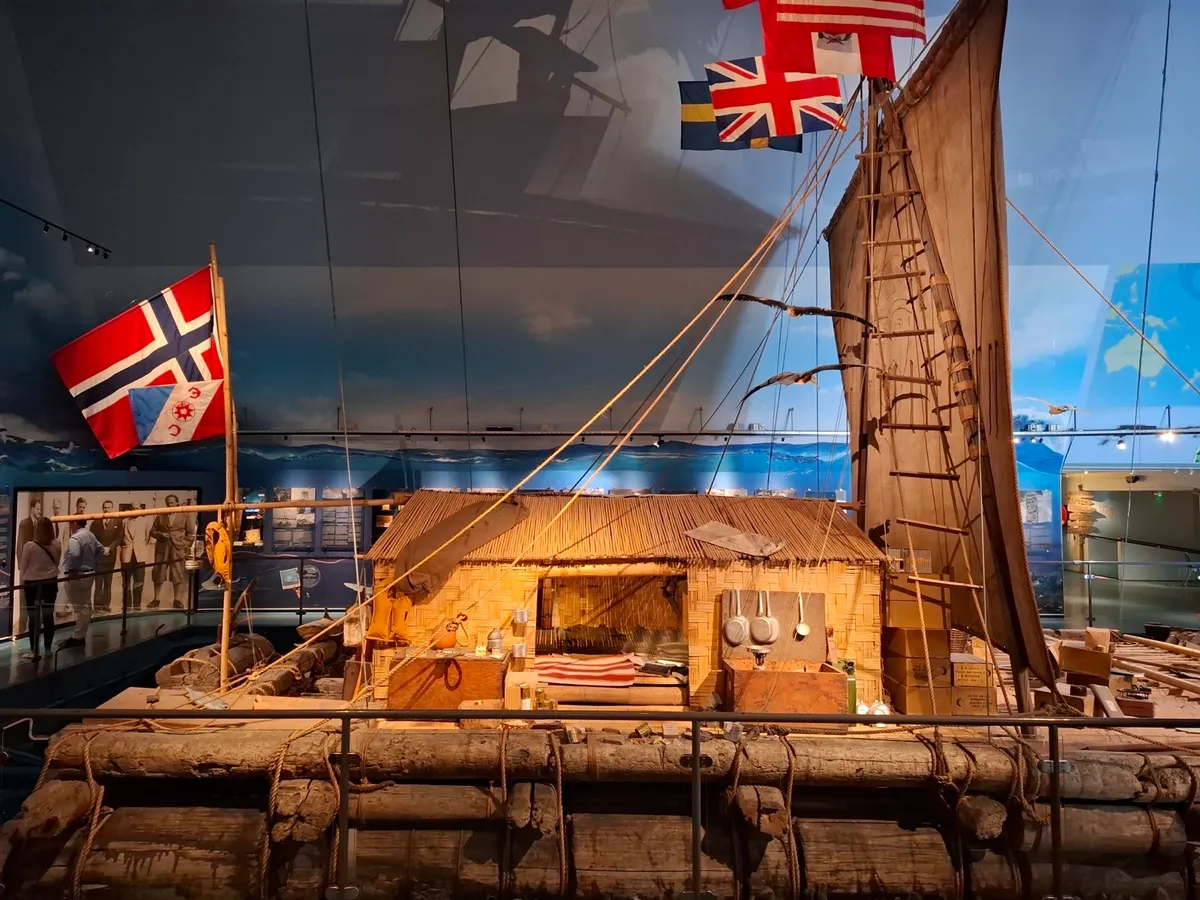
Kon-Tiki
In 1947, Thor Heyerdahl built a raft from balsa logs using techniques available to pre-Columbian South Americans and sailed it 4,300 miles across the Pacific to prove that ancient peoples could have colonized Polynesia from South America. The scientific establishment thought he was insane. Balsa wood, they said, would become waterlogged and sink. The raft would break apart in heavy seas. Six men would die in the Pacific to prove a crackpot theory. Heyerdahl sailed anyway. The voyage took 101 days. The raft held together. The balsa didn't waterlog (the outer layer saturated but the core stayed buoyant). They caught fish, collected rainwater, and navigated by stars. They crash-landed on a reef in the Tuamotu Islands. Everyone survived. The book sold 50 million copies. The theory has been largely disproven by DNA evidence — Polynesians came from Asia, not South America — but Heyerdahl proved the voyage was possible, and that matters.
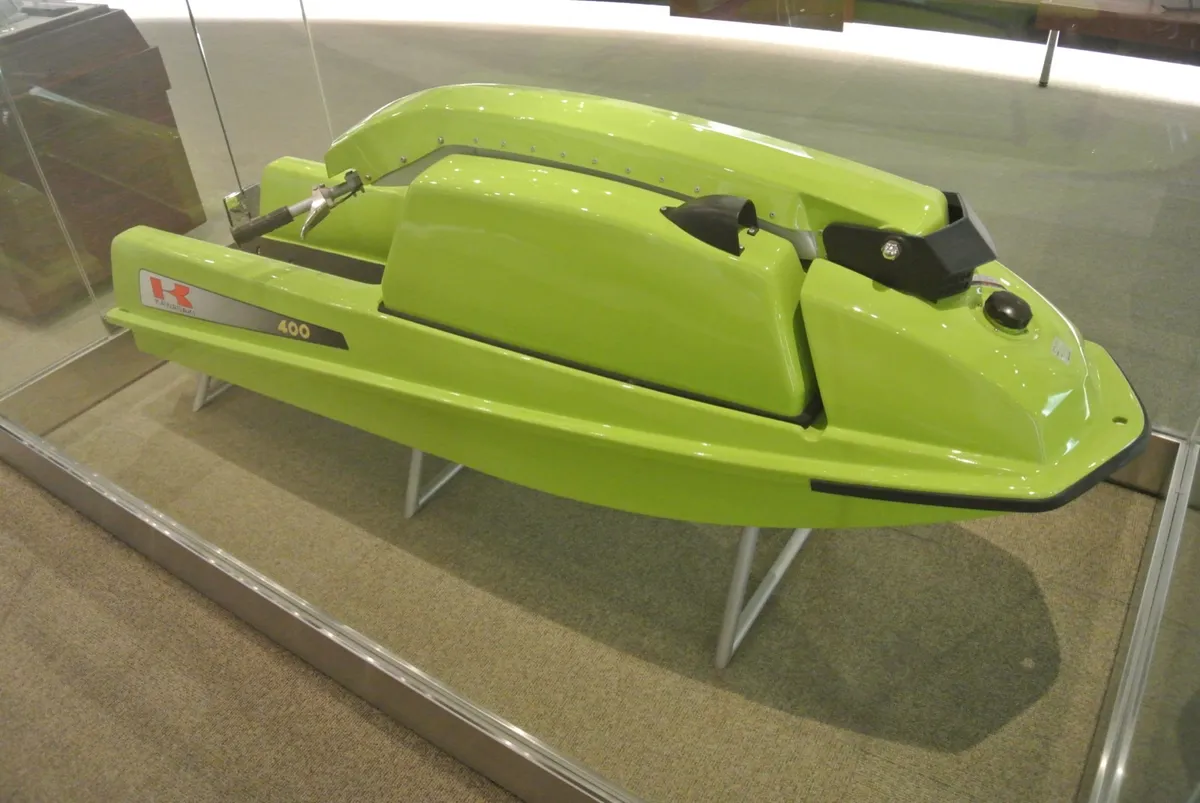
Kawasaki Jet Ski (JS400)
The Jet Ski didn't exist before 1973, and by 1990 every lake in America had one screaming across it. Kawasaki's JS400 was the first commercially successful personal watercraft — a stand-up vessel powered by a motorcycle engine driving a jet pump. The concept came from Clayton Jacobson II, an Australian banker who wanted a powered surfboard. Kawasaki licensed his design and created a product category that generated billions in revenue, ruined the tranquility of every lake and beach, spawned an entire subculture of freestyle riding, and became the go-to villain for everyone who thinks water should be quiet. 'Jet Ski' became the generic name for all personal watercraft the way 'Xerox' became the word for copying. Kawasaki trademarked it and everyone ignored the trademark.
Browse by Era
Age of Sail
When wooden ships and iron men ruled the oceans. Empires rose and fell based on who controlled the sea lanes.
Cold War
Nuclear submarines, carrier battle groups, and the silent war beneath the ocean. Two superpowers stared at each other across fleets that could end the world.
Modern Era
Container ships that carry 90% of world trade, stealth destroyers, autonomous vessels, and the globalized maritime economy that connects everything.
Postwar Classic
Fiberglass changed everything. The postwar boom put boats in every driveway. Deep-V hulls, unsinkable foam cores, and the golden age of American recreational boating.
Steam & Steel
When iron replaced wood and coal replaced wind. The age of ocean liners, ironclads, and industrial shipbuilding.
Working Waterfront
The boats that feed people, move cargo, and keep ports running. Tugboats, fishing vessels, oystermen, and the unglamorous craft that make maritime commerce possible.
World War II
The war that was won at sea. Convoy battles in the Atlantic, island-hopping in the Pacific, and the largest amphibious invasion in history. Naval power determined the outcome.
Builders
All builders →The shipyards, designers, and builders who put these hulls in the water. From Bath Iron Works to backyard boatshops on the Eastern Shore.