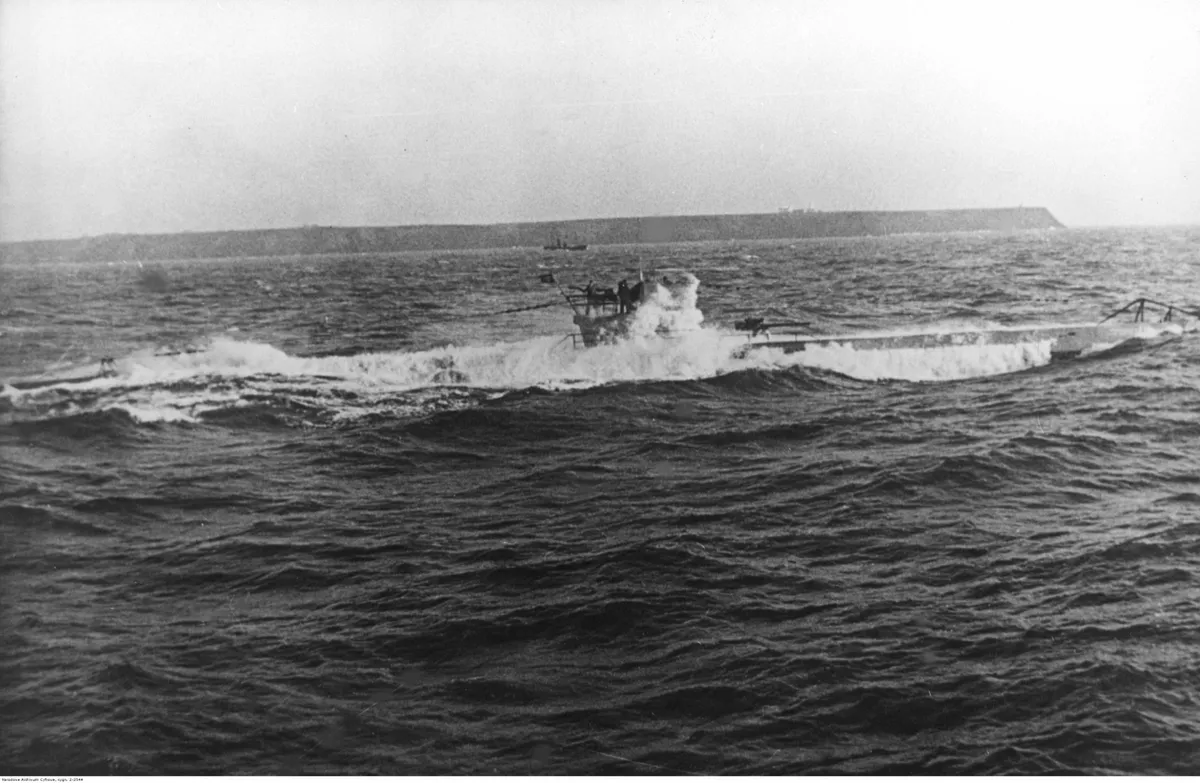
Type VII U-boat
Type VIIC
Why it matters
The Type VII was the workhorse of the German U-boat fleet and the most produced submarine class in history. Seven hundred and three were built. They nearly won the Battle of the Atlantic — in 1942, U-boats were sinking Allied merchant ships faster than they could be replaced.
Churchill later wrote that the U-boat threat was 'the only thing that ever really frightened me during the war.' The Type VII was not a good submarine.
It was cramped, slow underwater, and limited in range compared to American fleet boats. But it was cheap, quick to build, and deployed in numbers that overwhelmed Allied defenses until 1943, when improved radar, Ultra intelligence, and escort carriers turned the tide.
Of roughly 40,000 men who served in U-boats, 30,000 died. A 75% fatality rate — the highest of any branch of any military in WWII.
What it was like
A Type VII was 220 feet of steel tube packed with 50 men, diesel fumes, condensation, and fear. There was one toilet for the crew — the second was used for food storage until enough provisions were eaten.
Fresh food lasted a week, then it was canned. The air grew thick between surfacing runs. Clothes never dried. Bunks were shared in shifts. The boat smelled like diesel, unwashed men, and mold.
Depth charge attacks were the worst. The boat would shake, lights would fail, pipes would burst. The crew would sit in darkness listening to the destroyer above, trying to breathe quietly.
If the hull cracked, the ocean would fill the boat in seconds. There was no escape from a submarine at depth. You lived or you died with the boat.
The crew
Commander (Kapitänleutnant)
U-boat commanders were young — most in their mid-twenties — and given enormous autonomy. A patrol could last 8-12 weeks, during which the commander made every tactical decision. The successful ones (Kretschmer, Prien, Schepke) became celebrities in Germany. Most didn't survive the war. Command of a U-boat was essentially a death sentence with a time delay.
Chief Engineer (Leitender Ingenieur)
The LI was responsible for keeping the boat alive — diesels, electric motors, ballast tanks, trim, and the pressure hull itself. During depth charge attacks, the LI managed damage control in a space where any failure meant flooding. The LI had to calculate, under fire, exactly how much water to let in and where to keep the boat from sinking or surfacing involuntarily. Many were barely twenty years old.
Patina notes
Hundreds of Type VII wrecks litter the Atlantic floor. Some are accessible to divers in shallow waters off the European coast. The ravages of saltwater corrosion mean most are collapsing — within decades, many will be unrecognizable.
A few survive on land as museum exhibits. U-995, a Type VIIC/41, stands on a beach in Laboe, Germany — the only surviving example.
Preservation reality
U-995 at the Laboe Naval Memorial is the world's only surviving Type VII. She was used by Norway after the war, then returned to Germany in 1971 and restored.
The boat is open to visitors, and you can walk through the entire interior. It's one thing to read about the cramped conditions. It's another to stand inside and realize 50 men lived in that space for months.
Where to see one
- • Laboe Naval Memorial, Laboe, Germany (U-995)
- • Deutsches Museum, Munich (cutaway U-boat section)
Preservation organizations
- • German Naval Association (Deutscher Marinebund)
Sources
- uboat.net (2026-03-05)
Related vessels
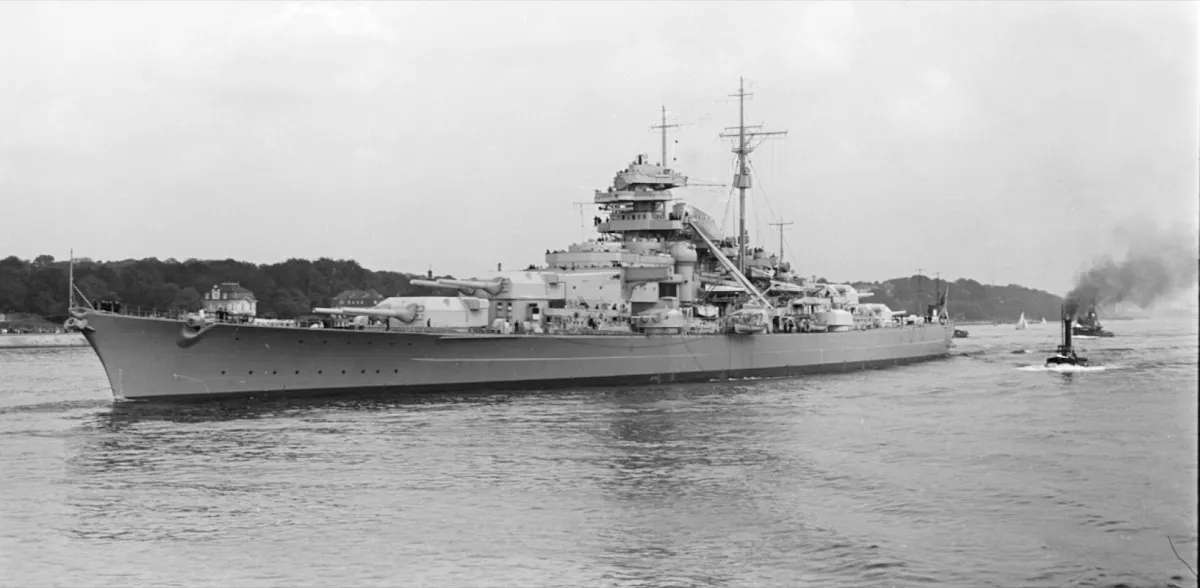
Bismarck
Bismarck's operational career lasted eight days. In that time, she became the most famous warship of the twentieth century. On May 24, 1941, she engaged HMS Hood and HMS Prince of Wales in the Denmark Strait. A shell from Bismarck penetrated Hood's magazine. The explosion broke Hood in half. She sank in three minutes. Of 1,418 crew, three survived. Hood was the pride of the Royal Navy. Churchill's order was immediate and absolute: sink the Bismarck. The Royal Navy sent everything. Battleships, carriers, cruisers, destroyers. Swordfish torpedo bombers — fabric-covered biplanes that looked like they belonged in the previous war — scored the hit that jammed Bismarck's rudder. She could only steam in circles. The next morning, King George V and Rodney pounded her for ninety minutes. Bismarck's crew scuttled her. Of 2,065 men, 114 survived.
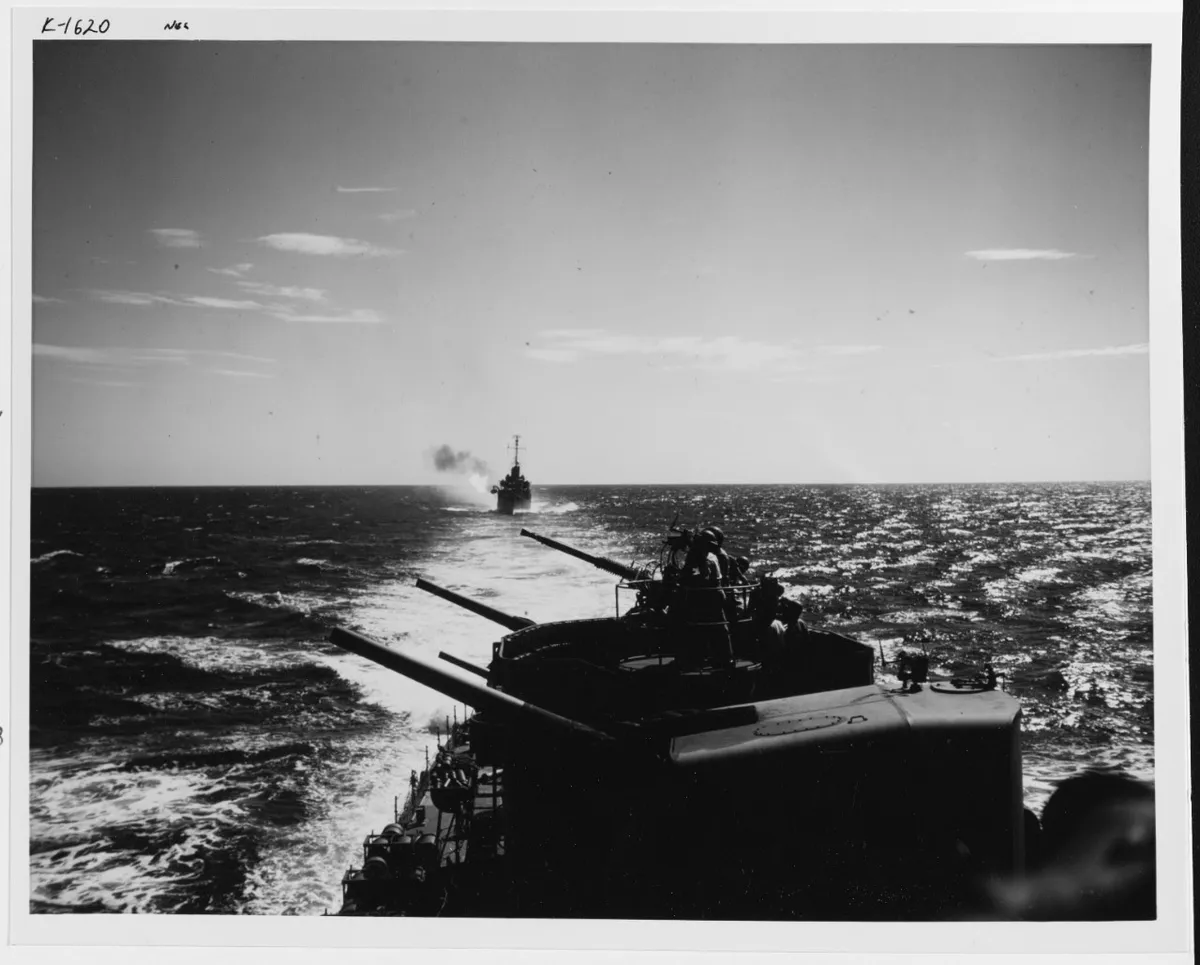
Fletcher-class Destroyer
The Fletcher class was the destroyer that won the Pacific. 175 built, more than any other destroyer class in history, and they did everything. Convoy escort in the Atlantic. Shore bombardment at Normandy. Surface actions in the Solomons. Radar picket duty at Okinawa, where they were positioned as sacrificial early-warning stations against kamikaze attacks. Nineteen Fletchers were lost during the war. They weren't glamorous. They were the ships that showed up everywhere, did the ugly work, and took casualties doing it.
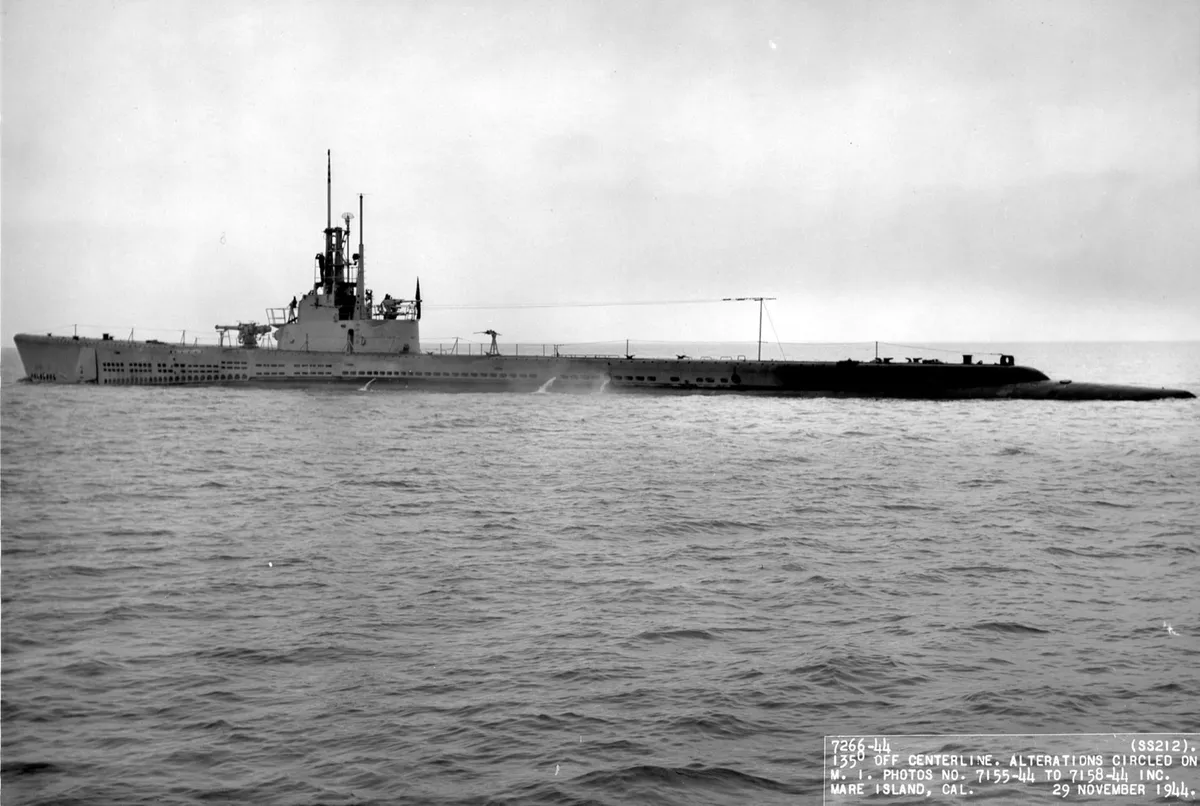
Gato-class Submarine
The Gato class fought the submarine war that strangled Japan. American submarines comprised less than 2% of the Navy's personnel and sank over 55% of Japan's merchant tonnage. The cost was staggering. 52 US submarines were lost during the war. 3,505 submariners killed. That's a 22% casualty rate, the highest of any branch of the US military in any war. One in five men who went on patrol in a fleet submarine did not come home. The Gato class bore the brunt of this campaign, running long patrols from Pearl Harbor and Australia into Japanese-controlled waters, operating alone, with no rescue if things went wrong.