Working Waterfront
1900-presentThe boats that feed people, move cargo, and keep ports running. Tugboats, fishing vessels, oystermen, and the unglamorous craft that make maritime commerce possible.
Context
Working boats don't get the attention warships and yachts do, but they represent the deepest relationship between humans and water. A Chesapeake waterman's deadrise workboat is a tool that defines a way of life. A lobster boat is a solo operator's entire livelihood. These vessels are designed for one thing: getting the job done in conditions that would keep most people on shore.
Defining characteristics
- Purpose-built for labor
- Owner-operated
- Generational knowledge
- Dawn-to-dusk work
- Regional traditions
Vessels (9)
African Queen
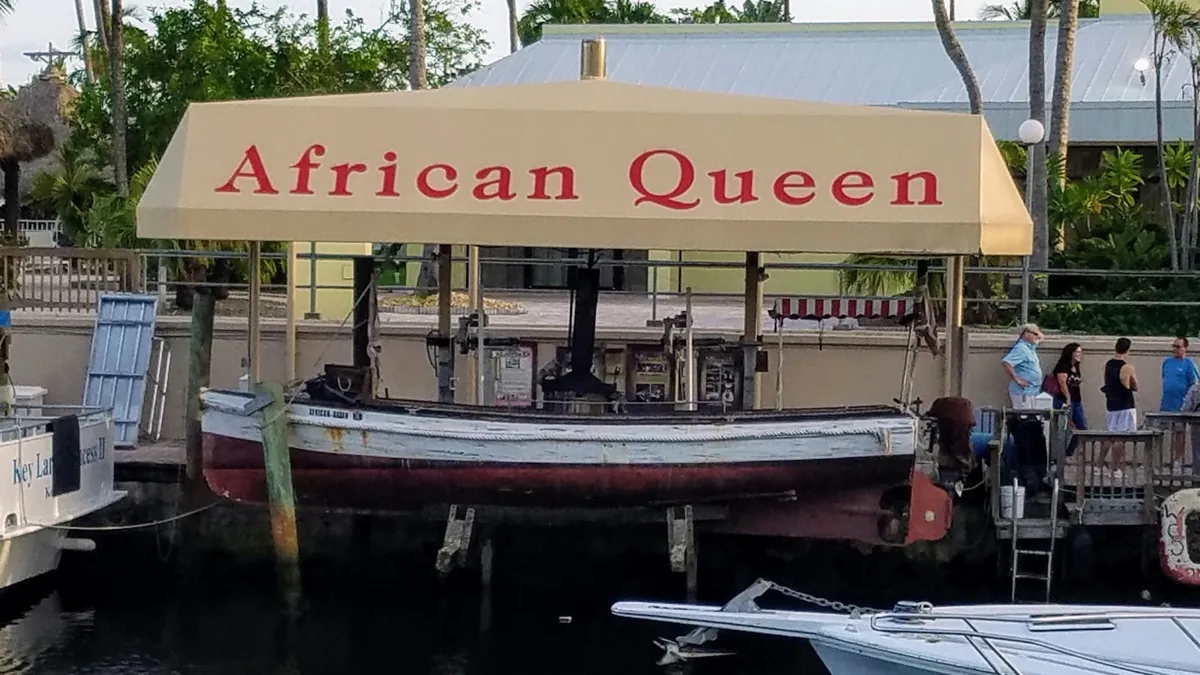
The African Queen is a 30-foot steam launch built in 1912 by a British shipyard for the British East Africa Company. She spent decades hauling cargo and passengers on Lake Albert and the Victoria Nile in Uganda. Then John Huston needed a boat for his 1951 film. The African Queen became one of the most recognizable vessels in cinema — Humphrey Bogart won his only Academy Award pulling leeches off his legs on its deck. Katherine Hepburn poured his gin overboard. The boat survived the film, decades of neglect, and multiple restorations. She's currently in Key Largo, Florida, operating as a tourist excursion boat. You can ride on the same vessel that Bogart steered through the papyrus.
Chesapeake Bay Crab Boat
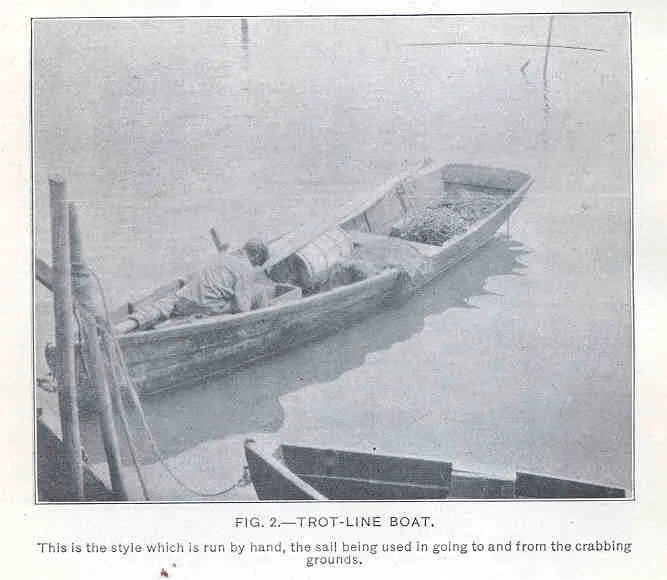
This is not the same boat as the Chesapeake deadrise entry on this site. The deadrise is a hull design. This is the specific working configuration: the boat rigged for crabbing, run by watermen who've been doing this since before anyone was keeping records. Chesapeake Bay blue crab is a $200+ million annual industry in Maryland alone. Every bushel of that crab comes off a boat like this. The boats run trotlines (a baited line laid along the bottom, pulled slowly while the crabber scoops crabs with a net as they surface) or haul crab pots (wire traps baited with chicken necks, fish heads, or commercial bait). The method depends on the waterman, the location, and the regulations. The boats reflect the economics of crabbing. Crab prices fluctuate wildly. A bushel of number ones might bring $200 one week and $120 the next. Fuel costs are fixed. Bait costs are fixed. So the boats are cheap to buy, cheap to run, and rigged for efficiency. Nothing decorative. Everything has a purpose. The culling board stretches across the beam so the crabber can sort the catch: legal males in one basket, too-small in another, females back in the water (in most seasons). The bushel baskets stack in the stern. The season runs roughly April to November. The watermen who run these boats wake up at 3 AM, six days a week, for eight months. They do it because it's what their fathers did and their grandfathers did, and because the Bay is the only office that matters.
Chesapeake Deadrise
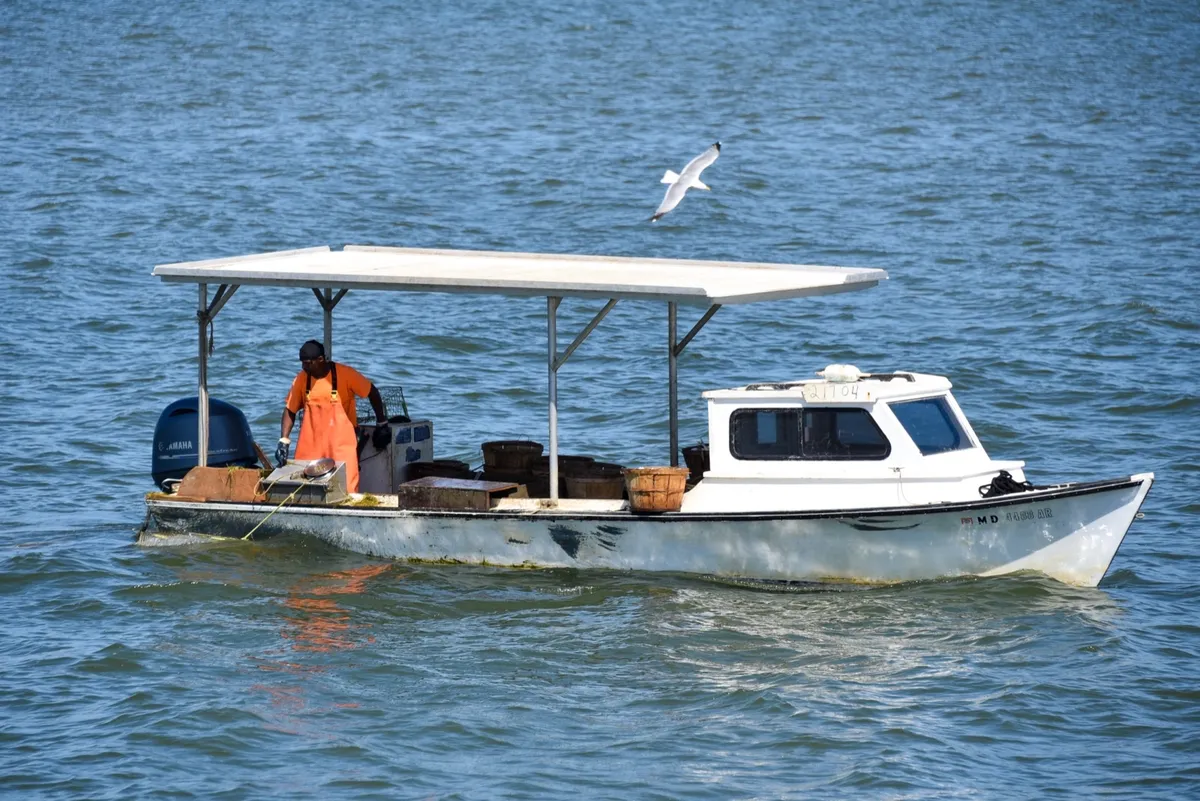
The Chesapeake deadrise is the working truck of the Chesapeake Bay. Every waterman has one. The hull design — a V-bottom that is sharp at the bow for cutting through chop and flattens toward the stern for stability while working — was developed specifically for the Bay's short, steep chop. The name 'deadrise' refers to the angle of the hull bottom: higher deadrise means sharper V, better rough-water ride. These boats crab, fish, oyster, and do everything else that keeps watermen working. They're built by hand in small boatyards on the Eastern Shore, many by builders whose families have been at it for generations.
Chesapeake Skipjack
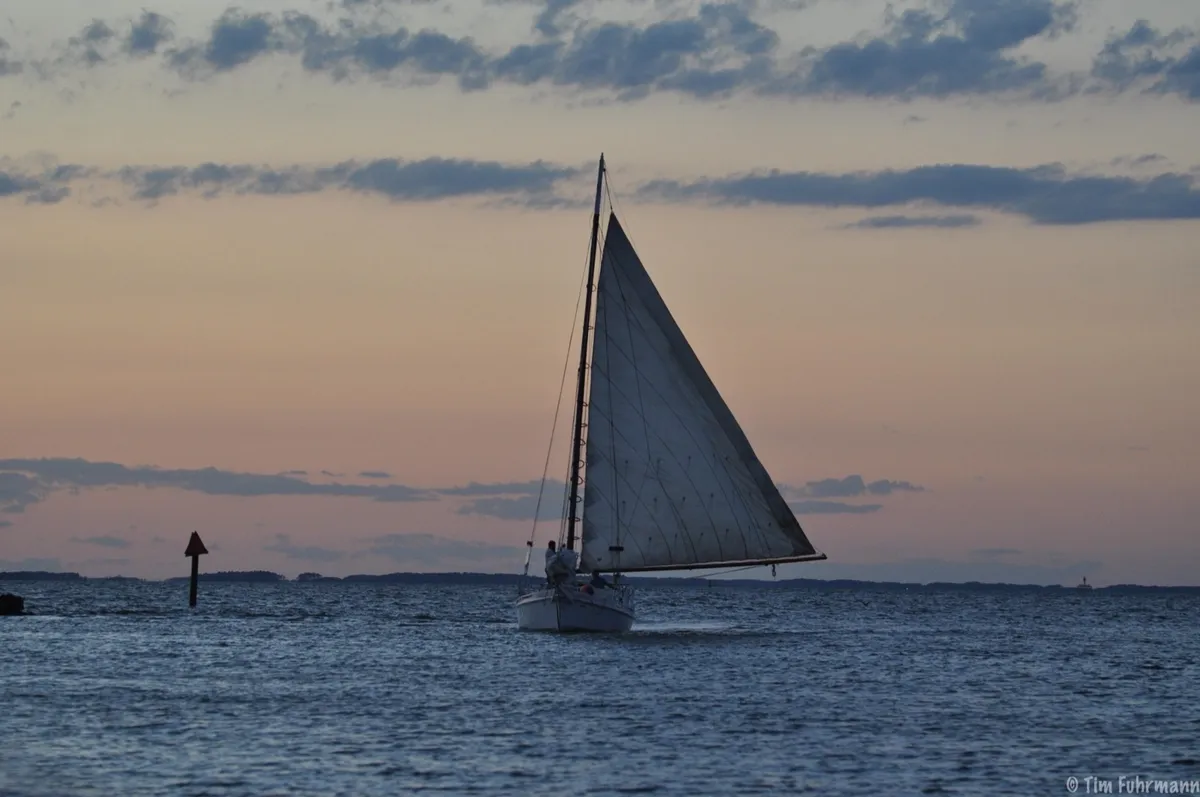
The Chesapeake skipjack is the last commercial sailing vessel in North America. Maryland law requires that oysters be dredged under sail — a conservation measure from 1865 that accidentally preserved an entire way of life. Skipjacks have been working the Chesapeake Bay since the 1890s, and a handful are still dredging oysters today. They're not preserved as museum pieces. They're still doing the job they were built for. The fleet has dwindled from thousands to fewer than thirty, but the ones that remain are working boats sailed by watermen whose families have been oystering for generations.
Grand Banks Dory
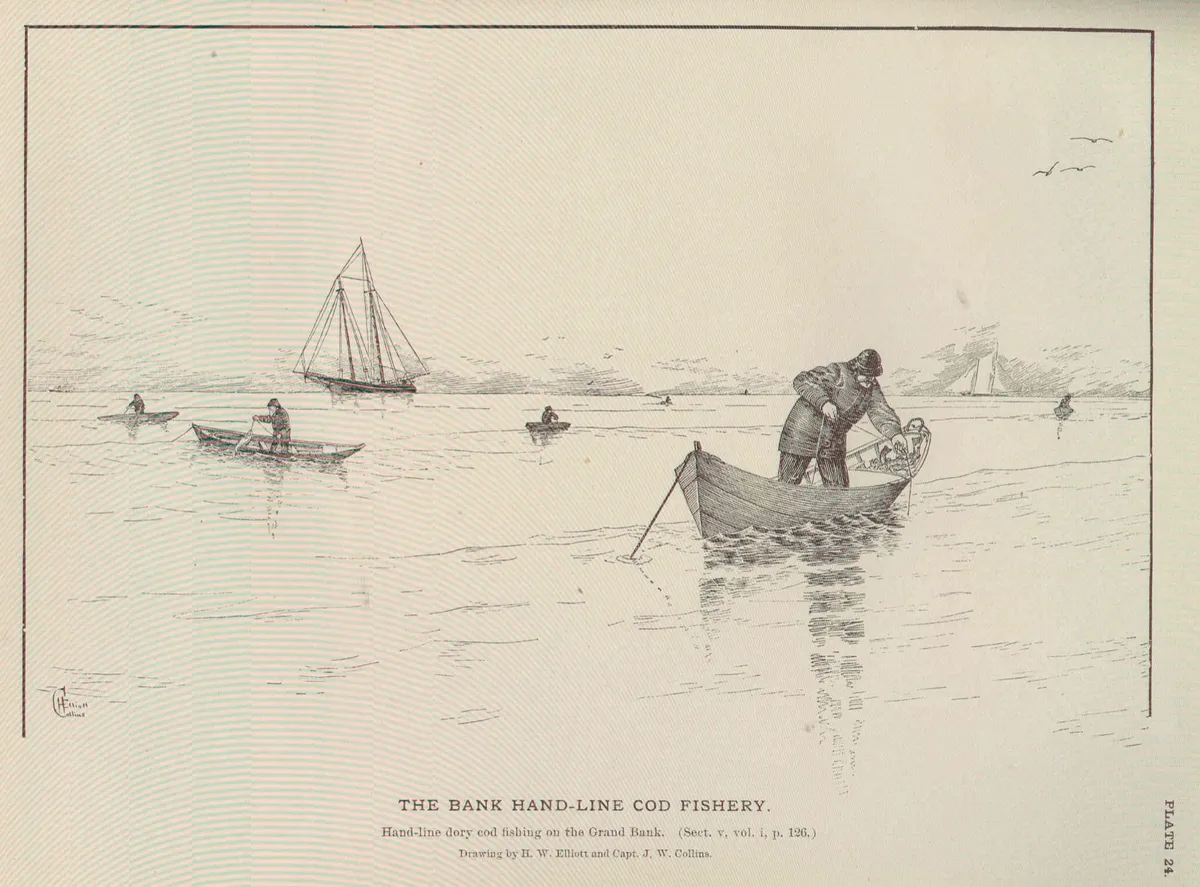
The Grand Banks dory is the boat that fed the eastern seaboard for a century. Schooners would sail from Gloucester, Lunenburg, and other ports to the Grand Banks of Newfoundland, carrying a dozen dories stacked like nesting cups on deck. At the fishing grounds, each dory was launched with one or two men who fished with handlines and longlines. The dory's genius was its simplicity — flat-bottomed, flared-sided, cheap to build, and almost impossible to capsize when loaded with fish. They were disposable boats used by expendable men. Thousands of dorymen drowned when fog rolled in and they couldn't find their schooner. Thousands more were crushed between vessels, swamped by waves, or simply lost. The Grand Banks fishery built New England. The dory was the instrument.
Harbor Tugboat
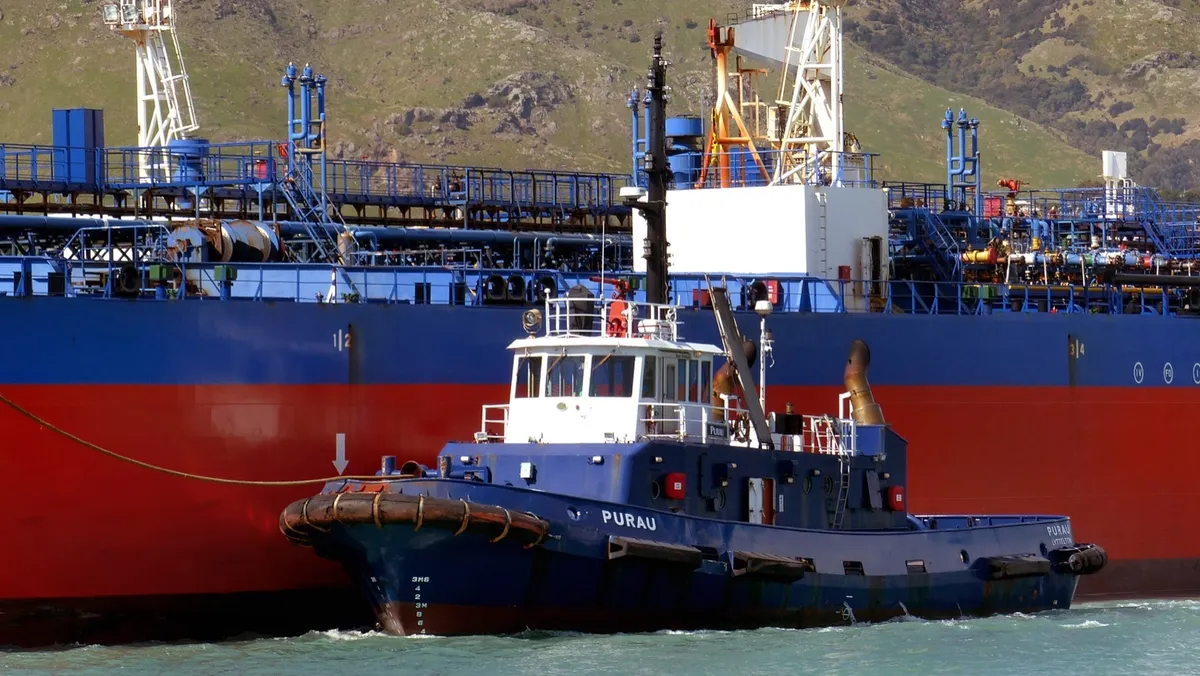
Every ship that enters a port does so with the help of tugboats. Container ships, tankers, cruise ships, naval vessels — they all need tugs to dock. The tugboat is the most understated essential vessel in maritime commerce. Without them, ports don't function. The engineering is focused entirely on power relative to size: a 100-foot tugboat can control a 1,300-foot container ship. The bollard pull of a modern harbor tug exceeds 80 tons. The skill of the tug operators is extraordinary — they're pushing and pulling against vessels fifty times their size in tight quarters, in current, in wind, communicating by radio with the pilot on the big ship.
Lobster Boat (Downeast)
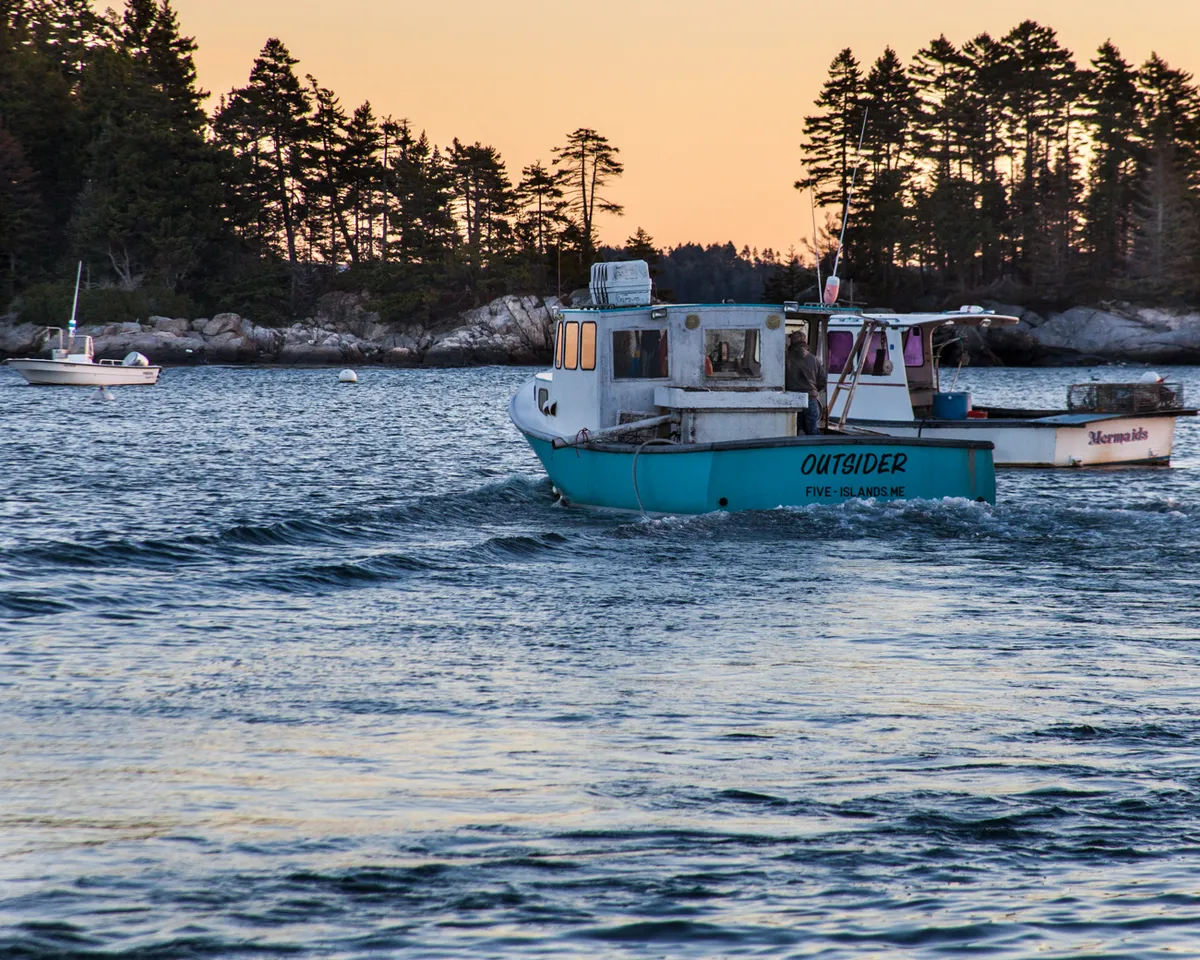
The Downeast lobster boat is the defining vessel of the Maine coast. The hull shape — high bow for cutting through North Atlantic seas, low stern for hauling traps over the side — was perfected over a century of practical use. These boats are owner-operated, often by families who've been lobstering for generations. The economics are simple: you own the boat, you own the traps, you own the license, and you take home what's left after diesel and bait. The lobster boat races held in harbors along the Maine coast every summer are the only motorsport where the competitors use the same boat for work on Monday.
Old Town Canoe
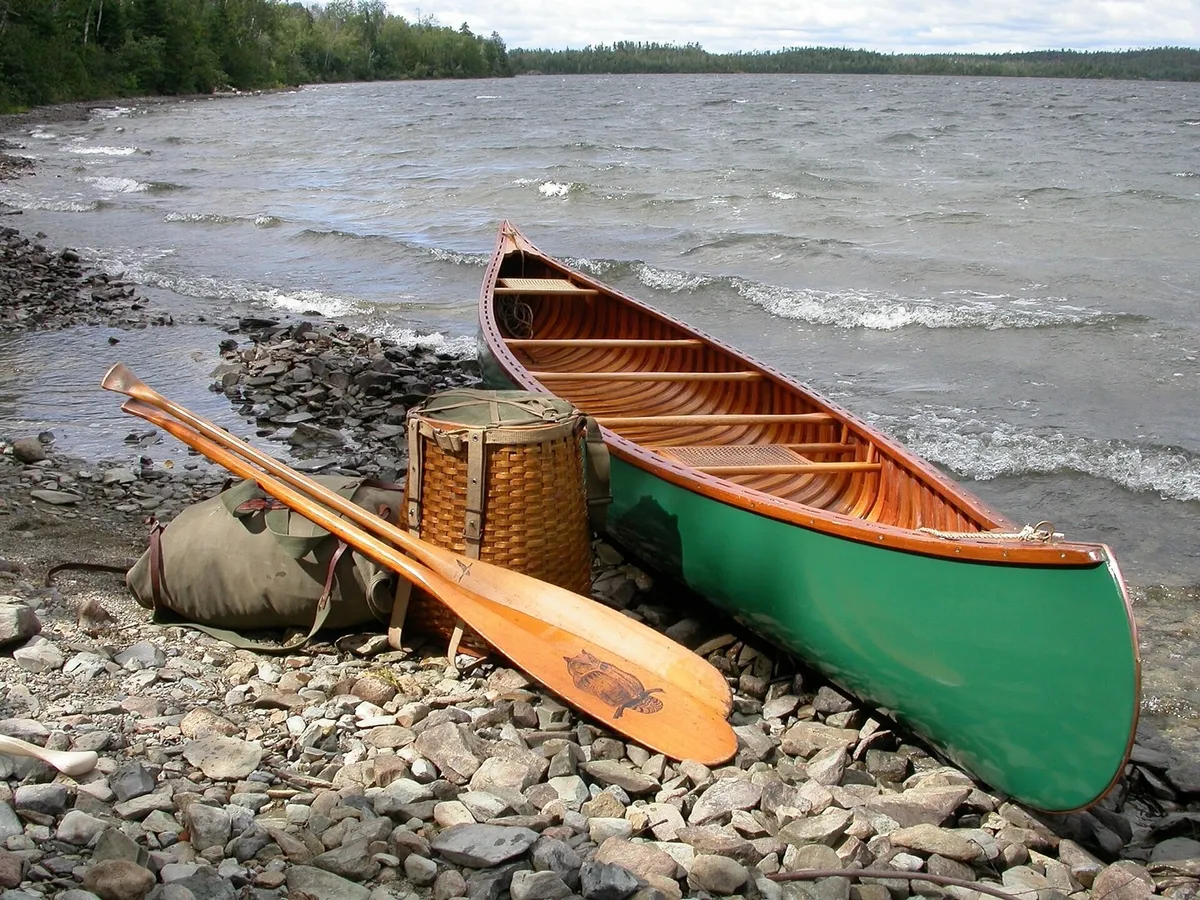
Old Town Canoe Company started in 1898 in Old Town, Maine, a few miles from the Penobscot reservation on Indian Island. The connection is not coincidental. The company's earliest designs were directly adapted from Penobscot birch bark canoe patterns, built by craftsmen who learned from Penobscot builders. This origin story is simultaneously the company's heritage and its most complicated legacy. The wood-and-canvas construction method was a genuine innovation. Traditional all-wood canoes were heavy. Birch bark canoes were fragile and required constant maintenance. Old Town's method used cedar ribs and planking covered with a stretched canvas skin, sealed with filler. The result was lighter than all-wood, tougher than bark, and could be mass-produced. By 1910, Old Town was the largest canoe manufacturer in the world, shipping boats by rail to every corner of the country. The green paint became an identity. Old Town canoes were green the way John Deere tractors were green. You saw one on a lake and you knew what it was. The company catalogs from the early 1900s are beautiful artifacts themselves, showing dozens of models for hunting, fishing, guiding, and recreation. Old Town still exists, now owned by Johnson Outdoors, making polyethylene and composite canoes for the modern market. But the vintage wood-and-canvas boats are the real story. They're collected, restored, and paddled by people who understand that a hundred-year-old canoe can still do exactly what it was built to do.
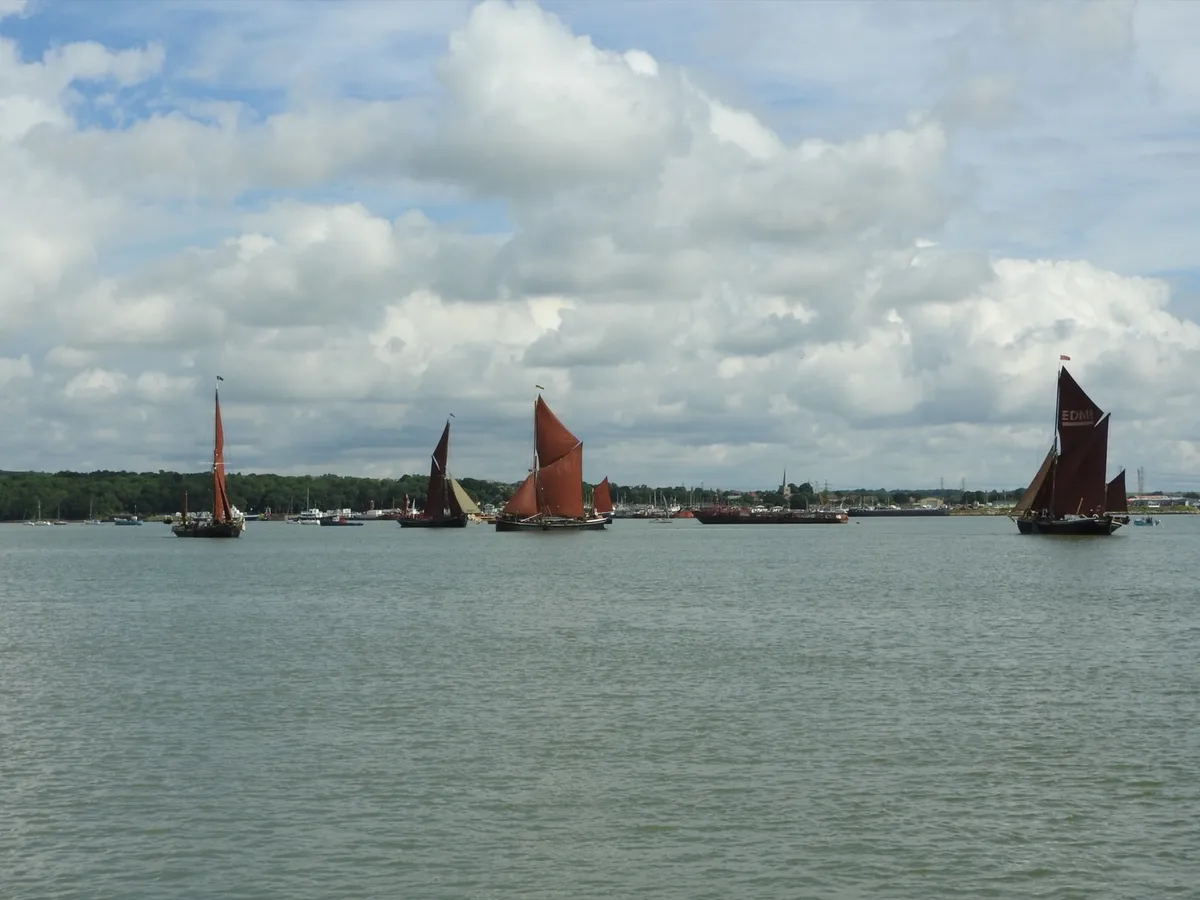
Thames Sailing Barge
The Thames sailing barge was London's delivery truck for two hundred years. Flat-bottomed and shallow-drafted, they could navigate the tidal creeks of the Thames Estuary and sit upright on the mud at low tide while being loaded and unloaded. A crew of two — skipper and mate — could handle a 90-foot vessel carrying 200 tons of cargo. Hay, bricks, grain, coal, timber, cement. Everything London consumed arrived by barge. At the peak in the early 1900s, over 2,000 barges worked the Thames. The spritsail rig, with its massive sprit supporting the mainsail, is unique to these vessels and instantly recognizable. They're the signature silhouette of the Thames Estuary, and they were the last commercial sailing vessels in Britain.