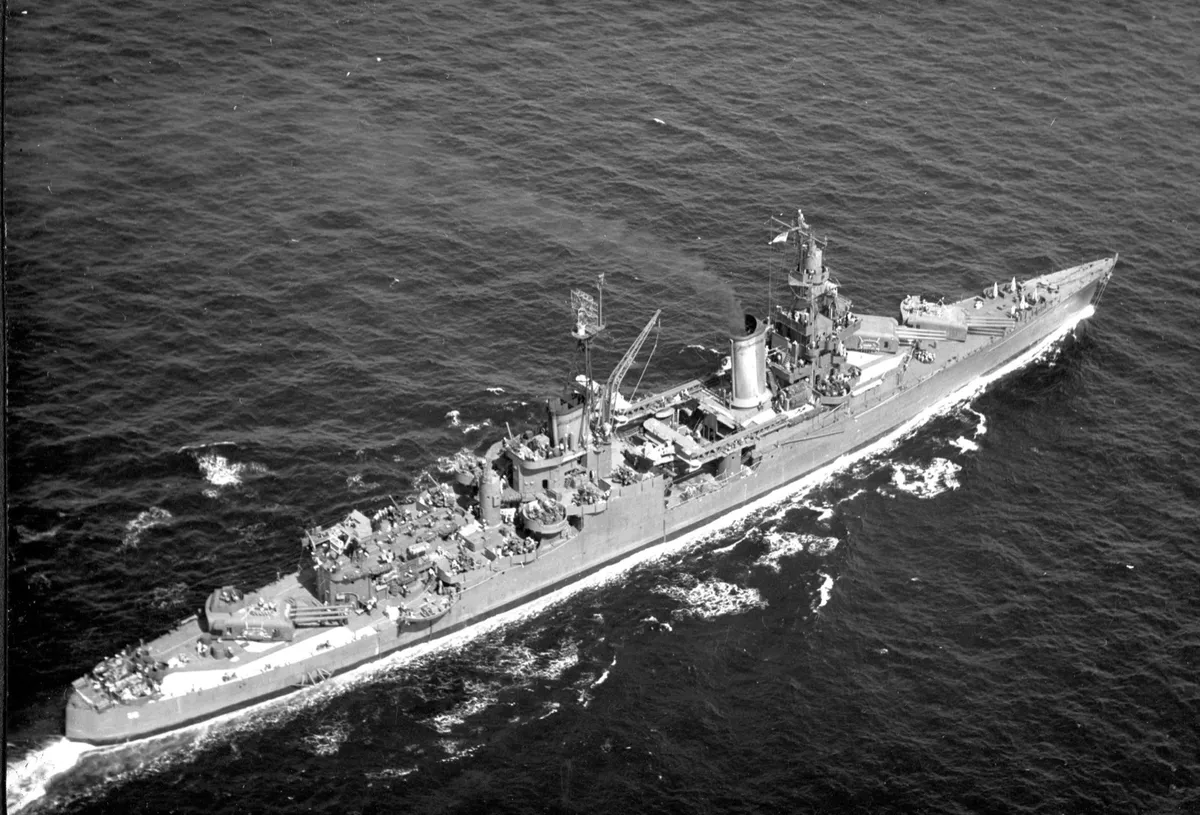
USS Indianapolis
CA-35
Why it matters
USS Indianapolis delivered the components of the atomic bomb that would destroy Hiroshima. On the return trip, without escort, a Japanese submarine sank her with two torpedoes.
Of 1,196 crew, roughly 900 made it into the water. They floated for four and a half days before rescue. Sharks, dehydration, salt water poisoning, and exposure killed approximately 580 men.
Only 316 survived. It remains the worst shark attack in recorded history and the single largest loss of life from a single ship in U.S. Navy history. Captain McVay was court-martialed — the only U.S.
Navy captain court-martialed for losing a ship to enemy action during WWII. He killed himself in 1968.
What it was like
The sinking happened at midnight. Two torpedoes hit the forward section. The ship rolled and sank in twelve minutes. There was no time for an organized abandon ship.
Most men went into the water without life jackets. No distress signal was confirmed received. For four and a half days, nearly 900 men floated in the Philippine Sea.
The sharks came on the second day. Men in groups were attacked from below. Dehydration drove men to drink salt water, which caused hallucinations. Some killed each other.
Others swam away from the group toward imaginary islands. The sun burned exposed skin to blisters. At night, the temperature dropped and men died of hypothermia.
They were found by accident — a patrol plane spotted the oil slick. The rescue that followed was chaotic, with sailors being pulled from the water by ships whose crews couldn't believe what they were seeing.
The crew
Marine Detachment
The Marines aboard Indianapolis were among the most organized survivors in the water. Their training in discipline and unit cohesion kept groups together during the four-day ordeal. Marine Corporal Edgar Harrell later described the experience: the worst part wasn't the sharks. It was watching friends go insane from drinking salt water and knowing you couldn't stop them.
Ship's Doctor
Dr. Lewis Haynes treated wounded and dying men while floating in the water for four days. He had no medical supplies. He triaged by swimming between groups, calming men who were hallucinating, and trying to prevent those drinking salt water from killing themselves with delirium. He estimated he watched 300 men die. After rescue, he continued treating survivors aboard the rescue ships.
Captain
Captain Charles McVay III survived the sinking and led one of the survivor groups. He was later court-martialed for 'failing to zigzag' — despite the fact that the Navy had failed to report the ship's non-arrival and the Japanese submarine commander testified that zigzagging would not have made a difference. McVay received hate mail from families of the dead for the rest of his life. He committed suicide in 1968, holding a toy sailor his father had given him as a child. He was exonerated by Congress in 2000.
Patina notes
Indianapolis lies in 18,000 feet of water in the Philippine Sea, discovered by Paul Allen's research vessel in 2017. The wreck is remarkably intact, sitting upright on the ocean floor.
The bow section, where the torpedoes hit, shows the catastrophic damage. The ship will never be raised — the depth and the status as a war grave ensure it will remain undisturbed.
Preservation reality
The USS Indianapolis is a war grave, protected by the National Historic Preservation Act. The wreck was located in 2017 at 18,044 feet by the R/V Petrel.
A memorial stands on the Canal Walk in Indianapolis, Indiana. The USS Indianapolis National Memorial was established in 2018. The ship's bell, recovered before the sinking, is on display at the Indiana War Memorial.
Where to see one
- • USS Indianapolis Memorial, Canal Walk, Indianapolis
- • Indiana War Memorial Museum
Preservation organizations
- • USS Indianapolis Survivors Organization
- • USS Indianapolis Legacy Organization
Sources
- Naval History and Heritage Command (2026-03-05)
Related vessels
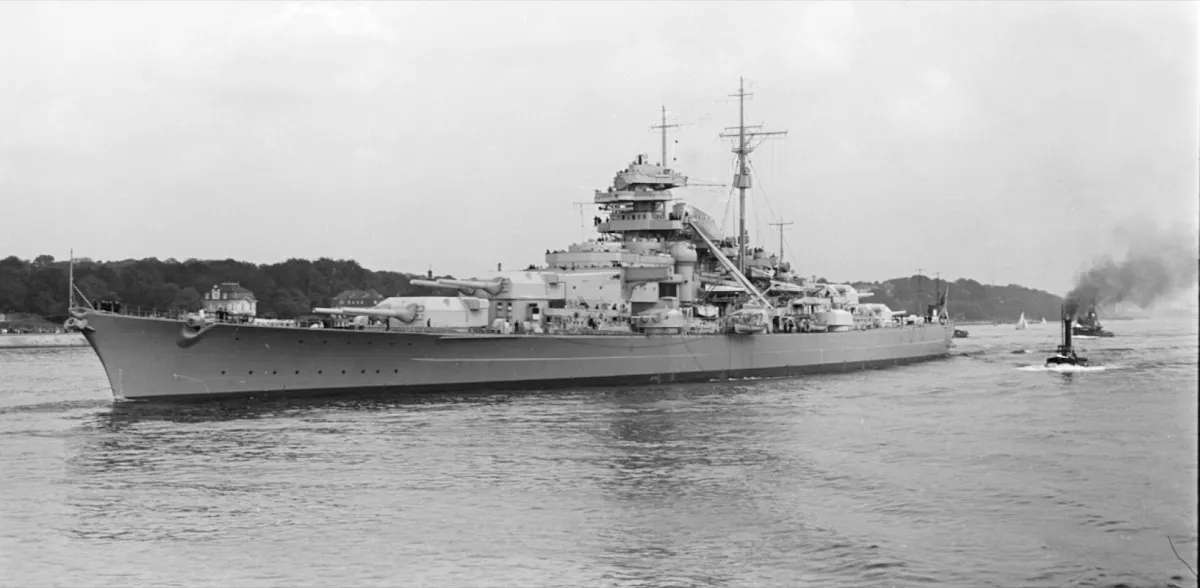
Bismarck
Bismarck's operational career lasted eight days. In that time, she became the most famous warship of the twentieth century. On May 24, 1941, she engaged HMS Hood and HMS Prince of Wales in the Denmark Strait. A shell from Bismarck penetrated Hood's magazine. The explosion broke Hood in half. She sank in three minutes. Of 1,418 crew, three survived. Hood was the pride of the Royal Navy. Churchill's order was immediate and absolute: sink the Bismarck. The Royal Navy sent everything. Battleships, carriers, cruisers, destroyers. Swordfish torpedo bombers — fabric-covered biplanes that looked like they belonged in the previous war — scored the hit that jammed Bismarck's rudder. She could only steam in circles. The next morning, King George V and Rodney pounded her for ninety minutes. Bismarck's crew scuttled her. Of 2,065 men, 114 survived.
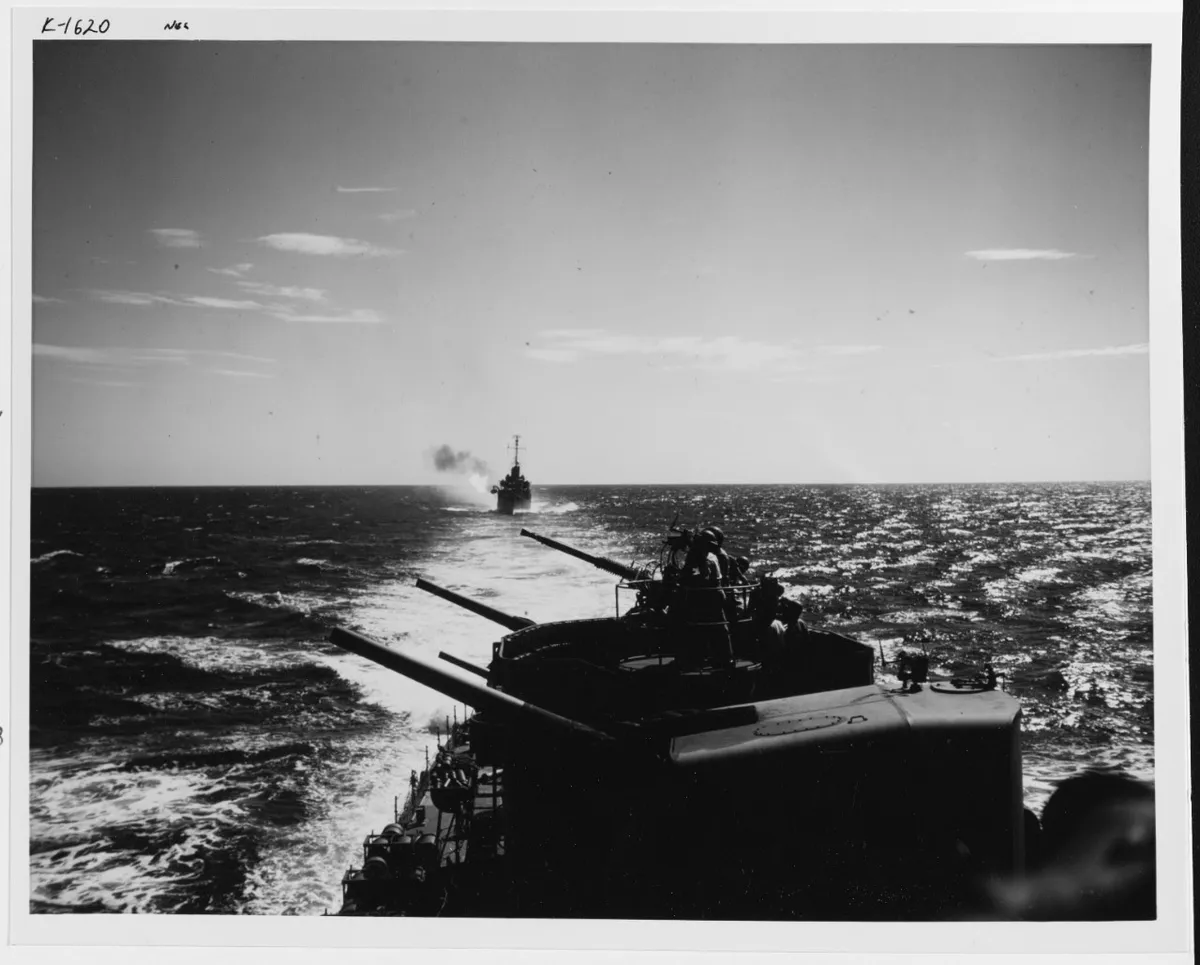
Fletcher-class Destroyer
The Fletcher class was the destroyer that won the Pacific. 175 built, more than any other destroyer class in history, and they did everything. Convoy escort in the Atlantic. Shore bombardment at Normandy. Surface actions in the Solomons. Radar picket duty at Okinawa, where they were positioned as sacrificial early-warning stations against kamikaze attacks. Nineteen Fletchers were lost during the war. They weren't glamorous. They were the ships that showed up everywhere, did the ugly work, and took casualties doing it.
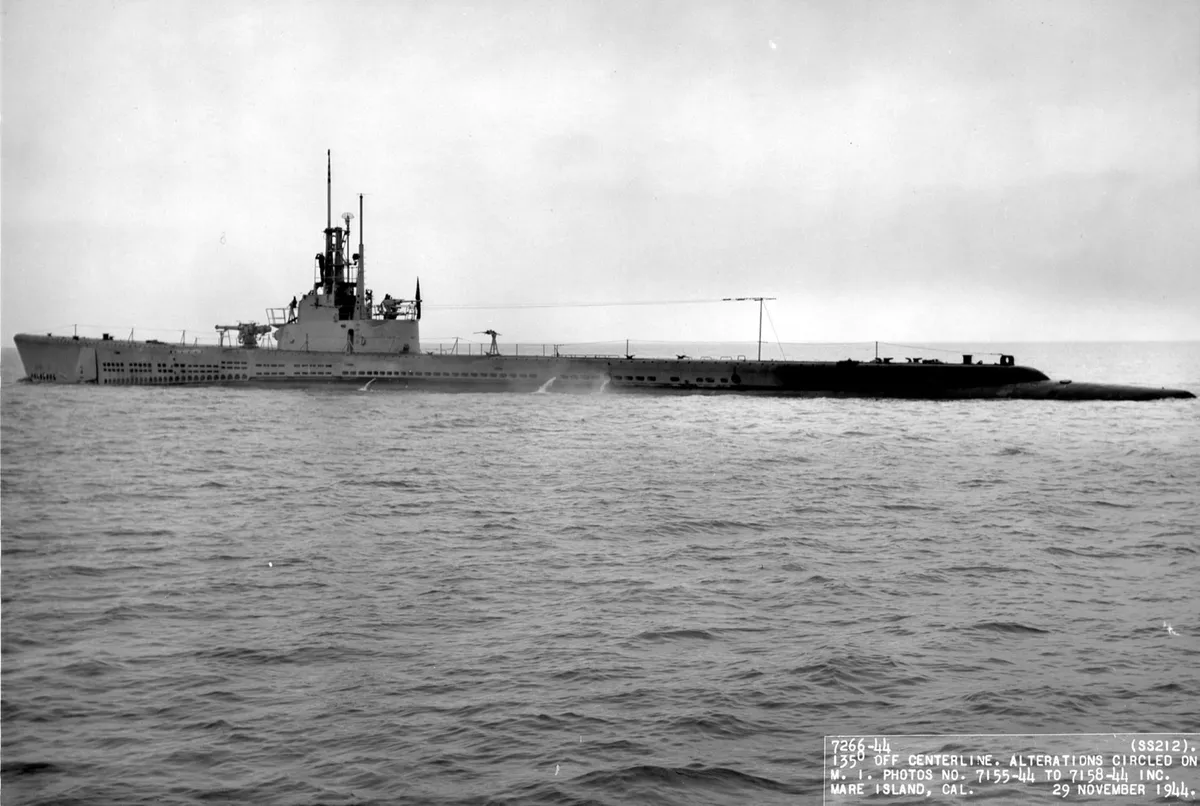
Gato-class Submarine
The Gato class fought the submarine war that strangled Japan. American submarines comprised less than 2% of the Navy's personnel and sank over 55% of Japan's merchant tonnage. The cost was staggering. 52 US submarines were lost during the war. 3,505 submariners killed. That's a 22% casualty rate, the highest of any branch of the US military in any war. One in five men who went on patrol in a fleet submarine did not come home. The Gato class bore the brunt of this campaign, running long patrols from Pearl Harbor and Australia into Japanese-controlled waters, operating alone, with no rescue if things went wrong.