F/V Andrea Gail
Why it matters
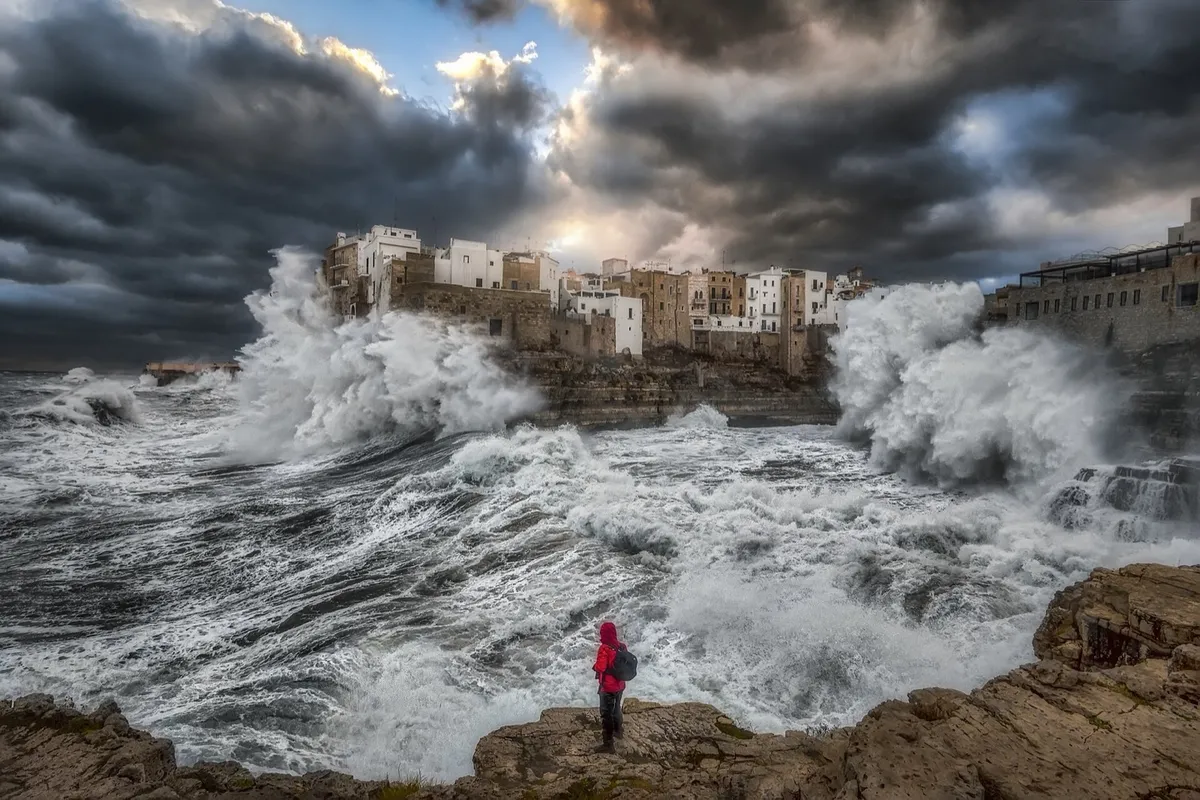
The Andrea Gail is the most famous fishing boat in American history, and she's famous for dying. Built in 1978 in Panama City, Florida, by Robert Brown Inc., she was a steel-hulled commercial swordfishing vessel working out of Gloucester, Massachusetts. On October 28, 1991, she left the Grand Banks heading home with a hold full of swordfish and ran straight into the collision of a nor'easter, Hurricane Grace, and a cold front. The meteorologists later called it the "Perfect Storm." Sebastian Junger wrote the book. Wolfgang Petersen made the movie with George Clooney. The Andrea Gail became shorthand for the sea taking what it wants.
Six men died. Billy Tyne, the captain. Bobby Shatford, Dale Murphy, Michael "Bugsy" Moran, David Sullivan, and Alfred Pierre. Their names are on the Gloucester Fishermen's Memorial, along with more than 5,000 other names going back centuries. Gloucester has been burying fishermen since before the country existed.
The boat was never found. The ocean is 15,000 feet deep where she likely went down. All that was recovered were some fuel drums, her EPIRB (emergency beacon), and a propane tank. The EPIRB had been manually activated, which means someone on the Andrea Gail knew they were in trouble and hit the button. Then nothing.
The Andrea Gail represents something that Junger's book captured and the movie mostly missed. Commercial fishing is the most dangerous job in America. The men who do it aren't daredevils. They're working people trying to make a living. The economics of swordfishing in 1991 were brutal: long trips, uncertain catch, perishable product. Tyne pushed further east to the Flemish Cap because the fishing closer to home wasn't producing. The crew followed because that's what crews do. They trusted the captain and the boat and the forecast. The forecast was wrong.
What it was like
Swordfishing on a longline vessel in the North Atlantic is one of the hardest jobs on water. You set miles of monofilament longline, baited with squid, and let it soak overnight. The line has radio beacons on the floats so you can find it again. At dawn, you haul the line back, hand over hand or with a hydraulic reel, pulling in swordfish that can weigh 400 pounds. The fish come up dead or dying. You gaff them, dress them, and pack them in ice in the hold. Then you set the line again. This cycle repeats for two to four weeks until the hold is full or the ice runs out.
The crew sleeps in shifts in a fo'c'sle that smells like diesel, fish blood, and unwashed bodies. The galley produces functional food. The seas on the Grand Banks run 8-15 feet on a normal day. A bad day is 30-foot seas. The boat rolls, pitches, and slams. Everything is wet. Everything is cold. The money, when it comes, is a share of the catch. A good trip pays $5,000-$10,000 per man. A bad trip pays nothing. The Andrea Gail's last trip was reportedly going well. They had fish. They just couldn't get home.
The crew
Captain (Billy Tyne)
The captain makes every decision: where to fish, how long to stay, when to run for home. Billy Tyne was experienced but under pressure. The previous trip had been poor. He pushed to the Flemish Cap, further east than usual, looking for better fishing. The captain on a swordfishing boat is also the navigator, the weather reader, and the one who decides whether a storm is runnable or not. Tyne decided to run. The storm was bigger than anyone predicted.
Crew (5 men)
Deckhands on a swordfishing boat bait hooks, set line, haul line, gaff fish, dress the catch, and pack the hold with ice. The work is physical, dangerous, and repetitive. Hooks through hands are common. Fish can thrash and injure. The deck is slick with blood and seawater at all times. The crew of the Andrea Gail were experienced fishermen from Gloucester and surrounding communities. They did this work because it was what they knew and because the money, when it came, was real.
Patina notes
The Andrea Gail was thirteen years old when she was lost. Steel swordfishing boats of that era showed their age in rust, dents from docking and loading, and the perpetual smell of fish oil that permeated every surface.
The hull would have been repainted regularly to fight corrosion. The deck equipment, constantly exposed to saltwater and fish blood, corroded and was replaced as needed.
These boats were tools, maintained to function, not to impress. The Andrea Gail reportedly had some deferred maintenance issues, but nothing that should have sunk her. What sunk her was a storm that generated 70-foot waves.
Preservation reality
There is nothing to preserve. The Andrea Gail is on the bottom of the North Atlantic, likely in pieces, at a depth that makes recovery impossible. What remains is memory.
The Gloucester Fishermen's Memorial on Stacy Boulevard bears the names of the six crew. The Crow's Nest bar on Main Street in Gloucester, where the crew drank before their last trip, is still open.
Junger's book and the film keep the story alive, though the families have had complicated relationships with both. The real memorial is the fishing fleet that still works out of Gloucester, smaller every year but still going.
Where to see one
- • Gloucester Fishermen's Memorial, Stacy Boulevard, Gloucester, MA
- • The Crow's Nest bar, 334 Main Street, Gloucester, MA
- • Cape Ann Museum, Gloucester, MA
Preservation organizations
- • Gloucester Fishermen's Wives Association
- • Cape Ann Museum
Sources
- Sebastian Junger, 'The Perfect Storm' (1997) (2026-03-05)
- Gloucester Fishermen's Memorial (2026-03-05)
Related vessels
African Queen
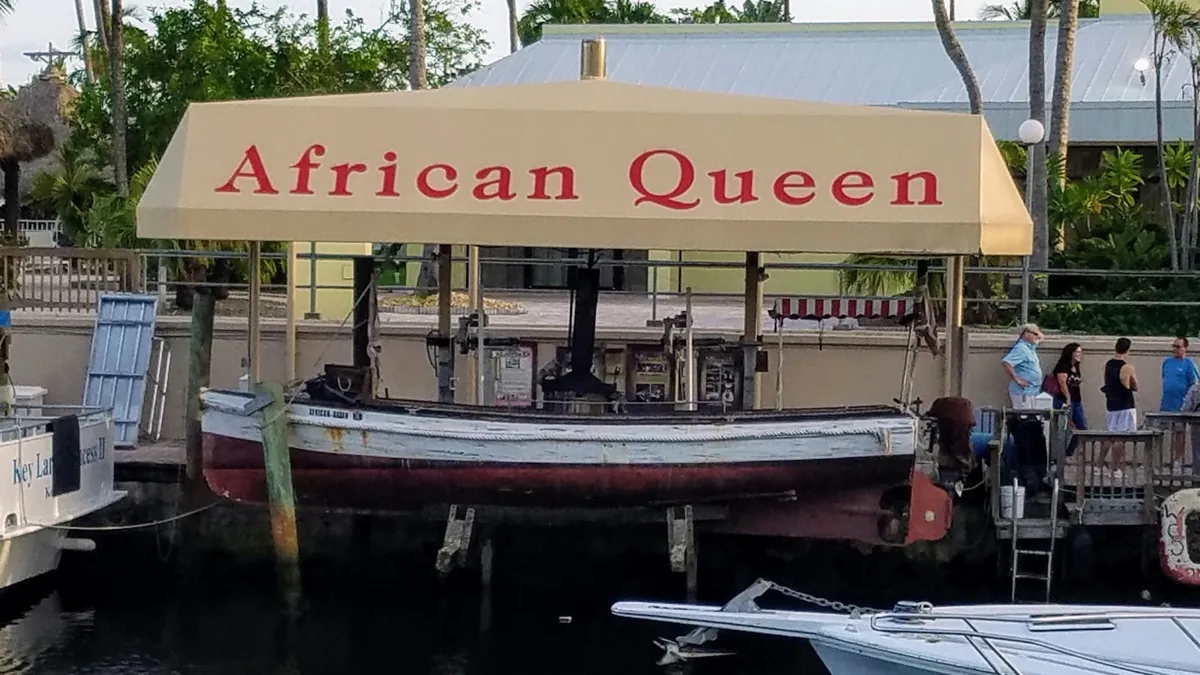
The African Queen is a 30-foot steam launch built in 1912 by a British shipyard for the British East Africa Company. She spent decades hauling cargo and passengers on Lake Albert and the Victoria Nile in Uganda. Then John Huston needed a boat for his 1951 film. The African Queen became one of the most recognizable vessels in cinema — Humphrey Bogart won his only Academy Award pulling leeches off his legs on its deck. Katherine Hepburn poured his gin overboard. The boat survived the film, decades of neglect, and multiple restorations. She's currently in Key Largo, Florida, operating as a tourist excursion boat. You can ride on the same vessel that Bogart steered through the papyrus.
Bering Sea Crab Boat
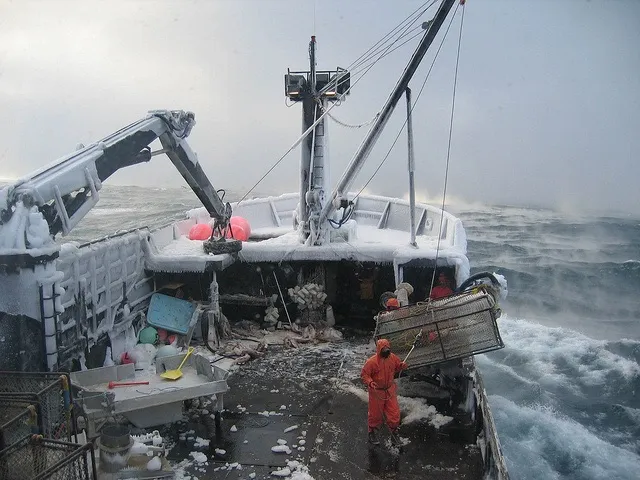
Before Deadliest Catch premiered on Discovery Channel in 2005, almost nobody outside Alaska knew what Bering Sea crab fishing looked like. Afterward, boats like the Northwestern, Cornelia Marie, and Time Bandit became household names. The show turned a brutal, obscure commercial fishery into reality television. What it got right is that the job is genuinely insane. The Bering Sea king crab and opilio (snow crab) fisheries operate in some of the worst conditions on earth. Winter storms generate 40-foot seas. Wind chill drops to minus 40. Spray freezes on contact with the superstructure, adding tons of topside weight that can capsize a boat if not knocked off. The crews use baseball bats and sledgehammers to break ice off the rails, rigging, and wheelhouse. This is a real thing that happens on a regular basis. The fatality rate for Bering Sea crab fishing has historically been 80 times the national average for workplace deaths. Coast Guard reforms, rationalization of the fishery (switching from a short derby season to individual fishing quotas), and better safety equipment have brought the rate down, but it's still the most dangerous fishery in North America. Between 1990 and 2010, dozens of boats and over a hundred lives were lost. The economics are as extreme as the conditions. Under the old derby system, the entire king crab season was compressed into a few days. Boats raced to catch as much as possible before the season closed. Crews could earn $30,000-$80,000 for a few weeks of work. They could also earn nothing if the catch was poor, or die if the weather turned. The quota system, implemented in 2005, spread the season out and reduced the death rate. It also reduced the gold-rush paydays. Now the money is steadier but lower. The boats still go out in terrible weather because that's where the crab are.
Bombardier Sea-Doo
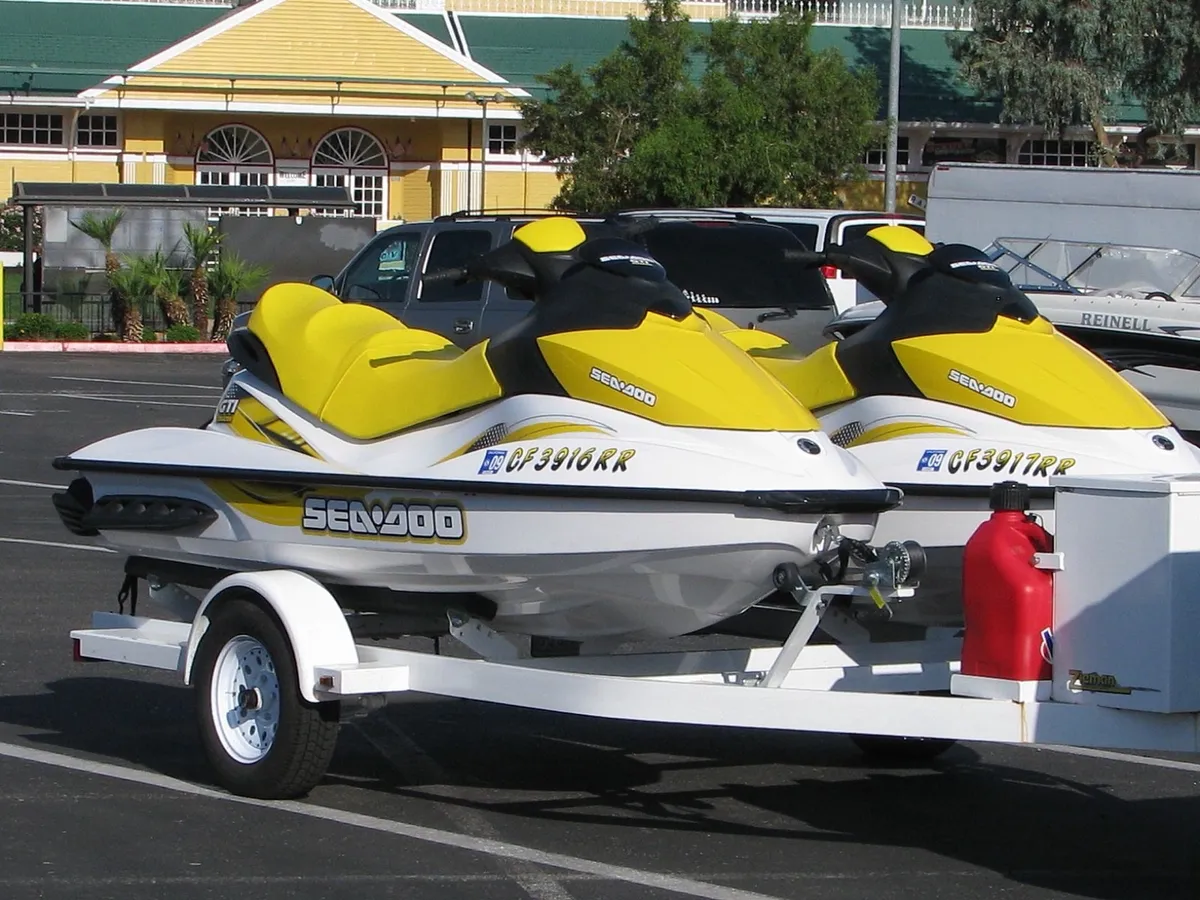
Sea-Doo has the weirdest origin story in powersports. Bombardier, a Canadian aerospace and train company, decided in 1968 that personal watercraft were the future. They built the Sea-Doo, it flopped, and they shelved it for twenty years. In 1988 they relaunched with modern engineering and a Rotax engine, and within five years they were outselling Kawasaki. A company that builds subway cars and business jets makes one of the most popular toys on the water. That's a sentence nobody predicted. If the WaveRunner is the Accord, the Sea-Doo is the WRX. Bombardier's approach has always been engineering-first. They were first with on-water braking (the iBR system, which uses a reverse gate to slow down). First with a viable fishing PWC. First with closed-loop cooling to keep saltwater out of the engine. They treat PWC like a technology platform rather than a toy, and it shows. The FISH PRO is the most absurd and brilliant product in the PWC market. It's a $20,000 personal watercraft with a Garmin fish finder, a 13.5-gallon cooler, rod holders, and a trolling mode. The idea that someone would go offshore fishing on something the size of a motorcycle seemed insane. Then people started actually catching fish on them, and now there's a whole subculture of PWC anglers. Sea-Doo's Achilles heel has historically been reliability. The Rotax engines are powerful but the electrical systems and supercharger seals on the high-performance models have earned a reputation for expensive repairs. Yamaha owners love pointing this out. Sea-Doo owners don't hear them because they're too far ahead.