World War II
1939-1945The war that was won at sea. Convoy battles in the Atlantic, island-hopping in the Pacific, and the largest amphibious invasion in history. Naval power determined the outcome.
Context
WWII was the last war where naval supremacy meant everything. Control the sea lanes, and you control the supply lines. Lose the Atlantic, and Britain starves. Lose the Pacific, and Japan holds an empire. The vessels built during this era were produced in quantities that seem impossible today. The United States built 2,710 Liberty Ships in four years. Kaiser's shipyard in Richmond could assemble a ship in 42 days.
Defining characteristics
- Mass production
- Submarine warfare
- Amphibious operations
- Carrier aviation
- Convoy systems
Vessels (11)
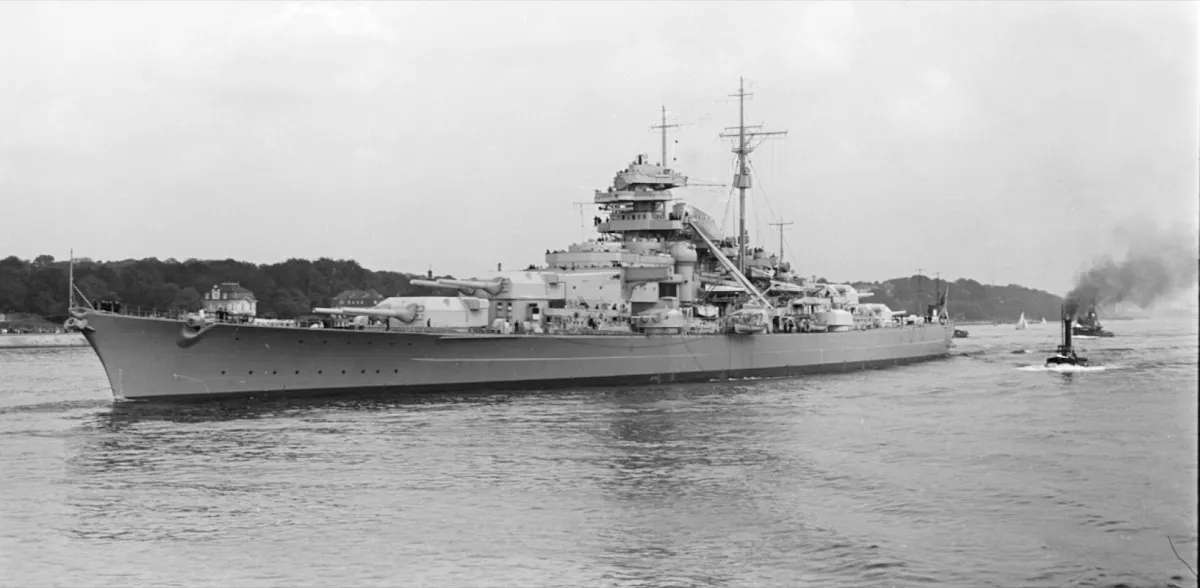
Bismarck
Bismarck's operational career lasted eight days. In that time, she became the most famous warship of the twentieth century. On May 24, 1941, she engaged HMS Hood and HMS Prince of Wales in the Denmark Strait. A shell from Bismarck penetrated Hood's magazine. The explosion broke Hood in half. She sank in three minutes. Of 1,418 crew, three survived. Hood was the pride of the Royal Navy. Churchill's order was immediate and absolute: sink the Bismarck. The Royal Navy sent everything. Battleships, carriers, cruisers, destroyers. Swordfish torpedo bombers — fabric-covered biplanes that looked like they belonged in the previous war — scored the hit that jammed Bismarck's rudder. She could only steam in circles. The next morning, King George V and Rodney pounded her for ninety minutes. Bismarck's crew scuttled her. Of 2,065 men, 114 survived.
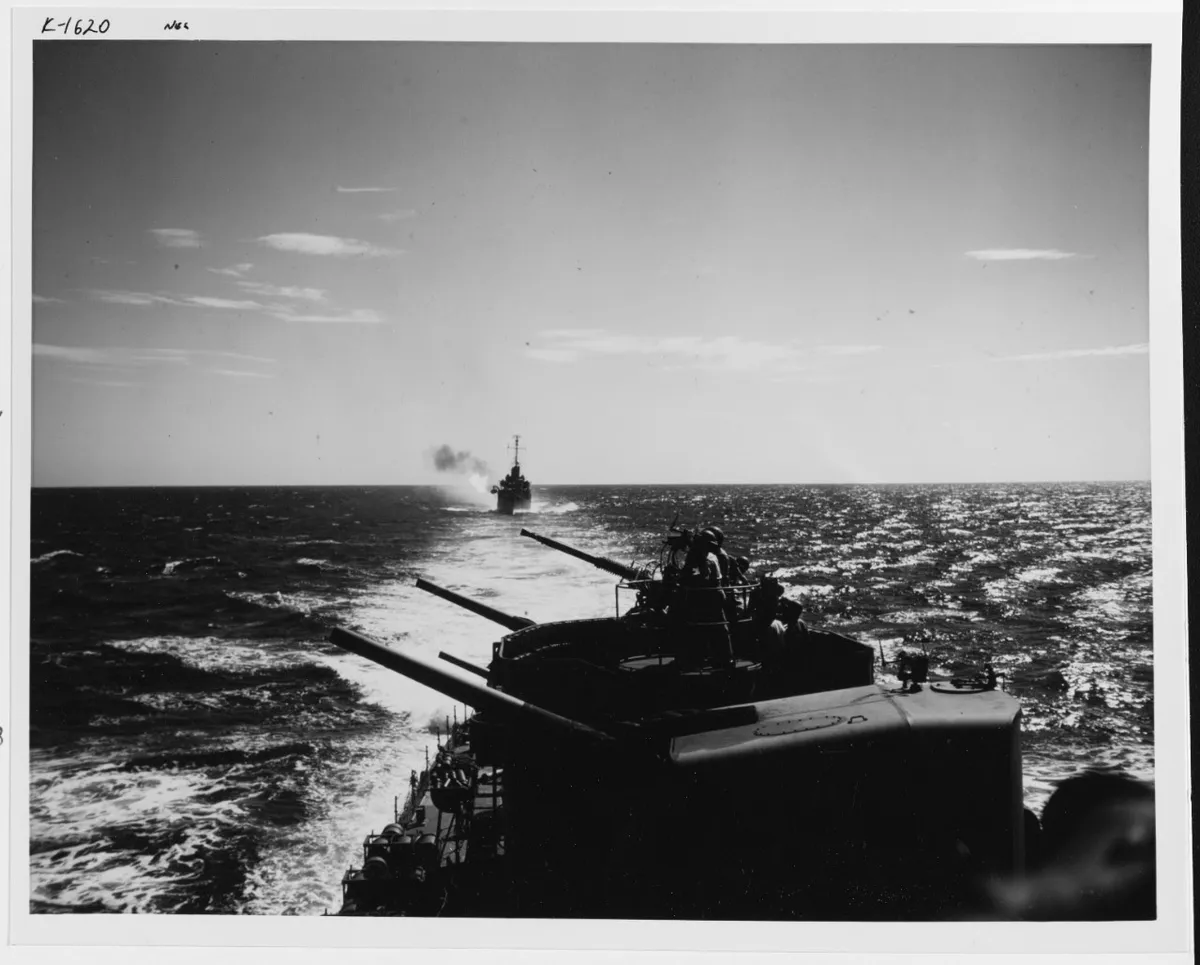
Fletcher-class Destroyer
The Fletcher class was the destroyer that won the Pacific. 175 built, more than any other destroyer class in history, and they did everything. Convoy escort in the Atlantic. Shore bombardment at Normandy. Surface actions in the Solomons. Radar picket duty at Okinawa, where they were positioned as sacrificial early-warning stations against kamikaze attacks. Nineteen Fletchers were lost during the war. They weren't glamorous. They were the ships that showed up everywhere, did the ugly work, and took casualties doing it.
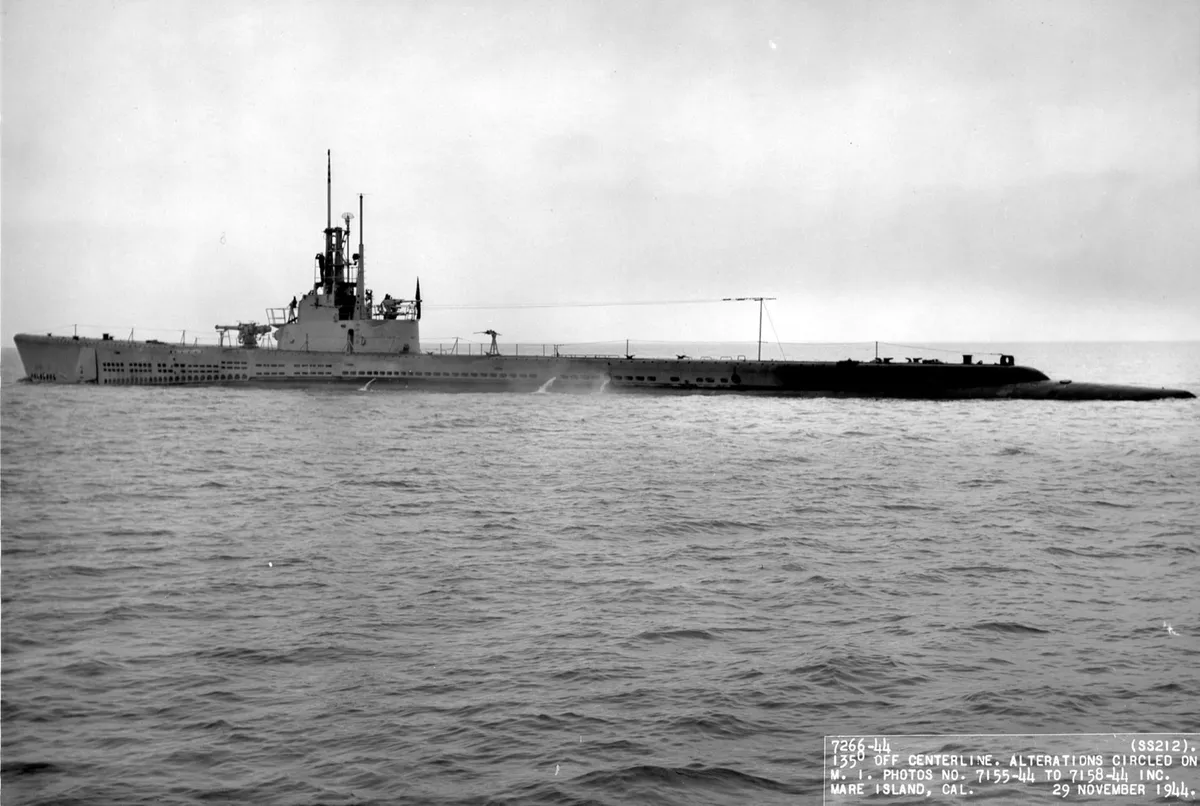
Gato-class Submarine
The Gato class fought the submarine war that strangled Japan. American submarines comprised less than 2% of the Navy's personnel and sank over 55% of Japan's merchant tonnage. The cost was staggering. 52 US submarines were lost during the war. 3,505 submariners killed. That's a 22% casualty rate, the highest of any branch of the US military in any war. One in five men who went on patrol in a fleet submarine did not come home. The Gato class bore the brunt of this campaign, running long patrols from Pearl Harbor and Australia into Japanese-controlled waters, operating alone, with no rescue if things went wrong.
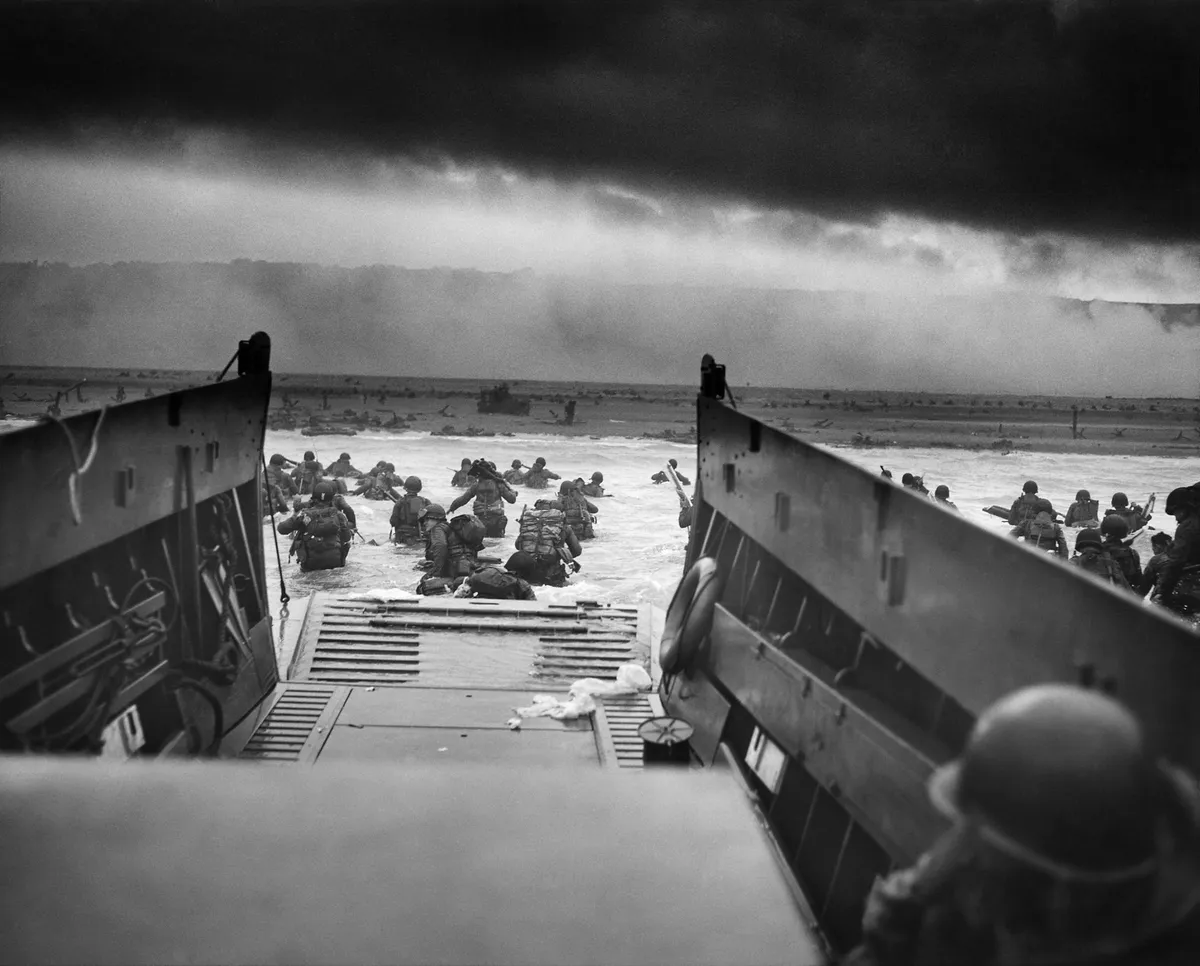
Higgins Boat (LCVP)
Eisenhower said Andrew Higgins was 'the man who won the war for us.' The LCVP — Landing Craft, Vehicle, Personnel — was the boat that put soldiers on the beach. At Normandy, Iwo Jima, Okinawa, North Africa, Sicily. The bow ramp was Higgins' innovation, borrowed from boats he'd seen in the Louisiana bayou. When that ramp dropped, you were looking at the beach, and the beach was looking at you. 23,398 were built. Without them, no amphibious invasion was possible.
Liberty Ship (EC2-S-C1)
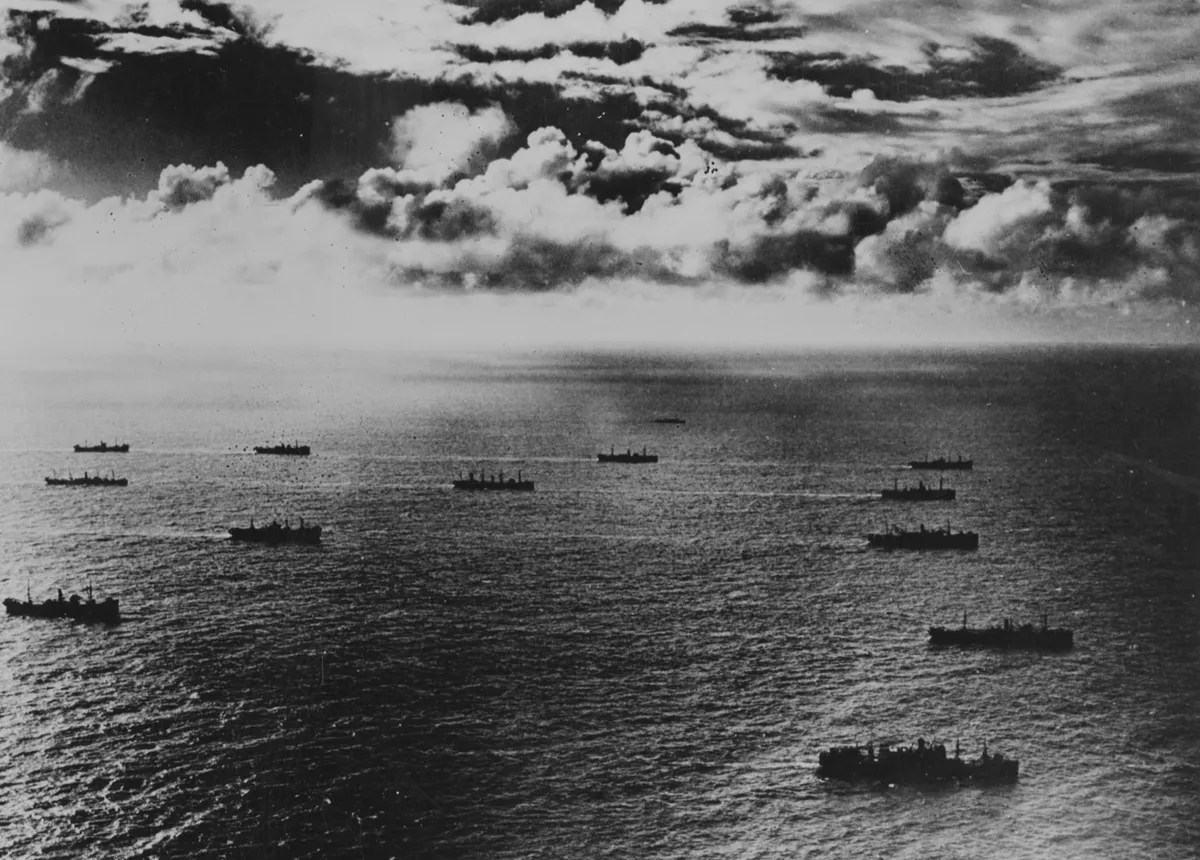
The Liberty Ship was the disposable lighter of maritime warfare. President Roosevelt called them 'ugly ducklings.' They were designed to be built fast, loaded fast, and sunk fast — with the expectation that America could build them faster than U-boats could sink them. That bet paid off. 2,710 Liberty Ships were built in four years. Kaiser's Richmond shipyard assembled SS Robert E. Peary in 4 days, 15 hours, and 29 minutes as a publicity stunt. The ships won the war of logistics. The merchant mariners who sailed them had the highest casualty rate of any U.S. service.
PT-109
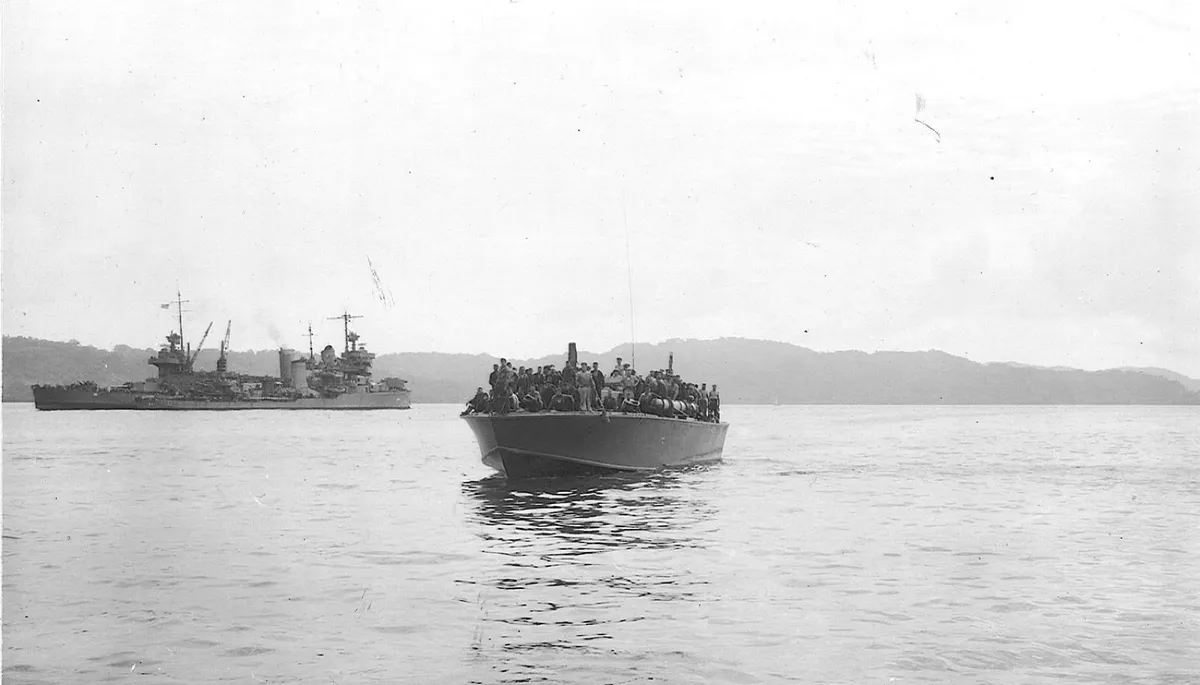
PT-109 is the most famous small vessel in American military history because a future president survived its sinking. On August 2, 1943, the Japanese destroyer Amagiri cut PT-109 in half in the Blackett Strait. Lt. John F. Kennedy towed a badly burned crew member by clenching the strap of his life jacket in his teeth and swimming for four hours. The crew survived six days on a deserted island. PT boats were fast, fragile, and expendable. Their crews knew it.
Type VII U-boat
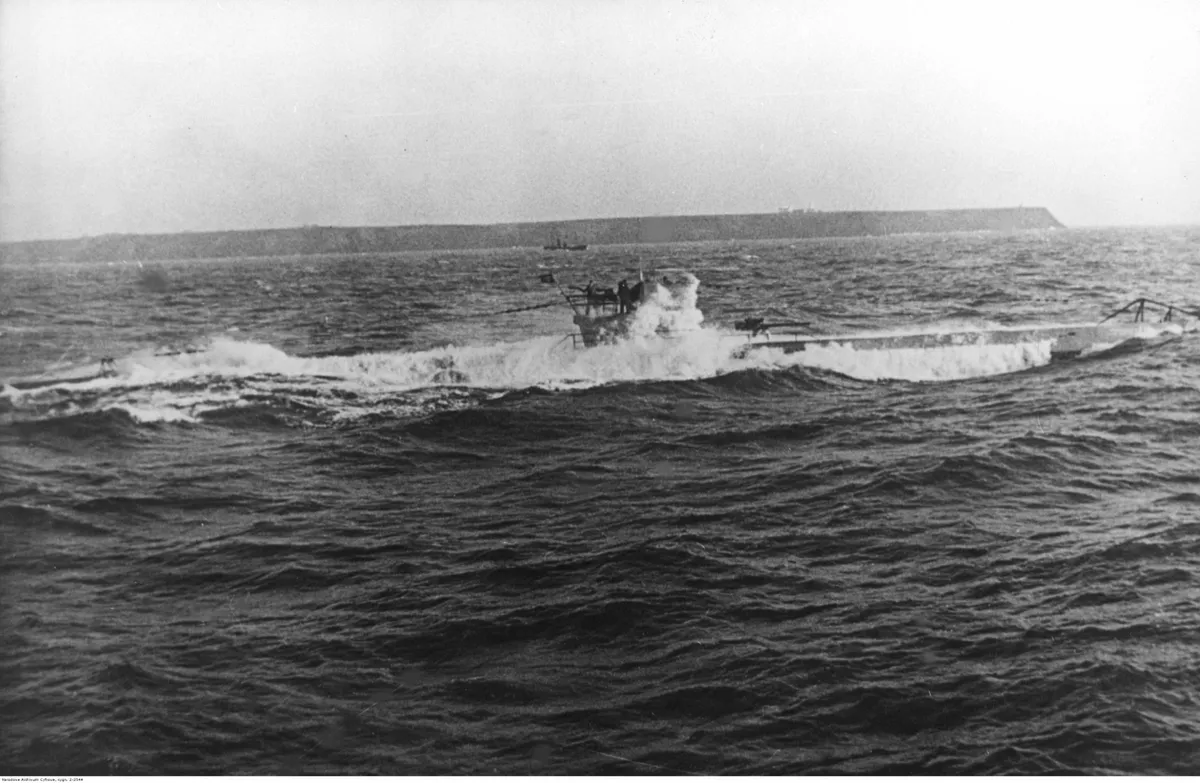
The Type VII was the workhorse of the German U-boat fleet and the most produced submarine class in history. Seven hundred and three were built. They nearly won the Battle of the Atlantic — in 1942, U-boats were sinking Allied merchant ships faster than they could be replaced. Churchill later wrote that the U-boat threat was 'the only thing that ever really frightened me during the war.' The Type VII was not a good submarine. It was cramped, slow underwater, and limited in range compared to American fleet boats. But it was cheap, quick to build, and deployed in numbers that overwhelmed Allied defenses until 1943, when improved radar, Ultra intelligence, and escort carriers turned the tide. Of roughly 40,000 men who served in U-boats, 30,000 died. A 75% fatality rate — the highest of any branch of any military in WWII.
USS Enterprise (CV-6)
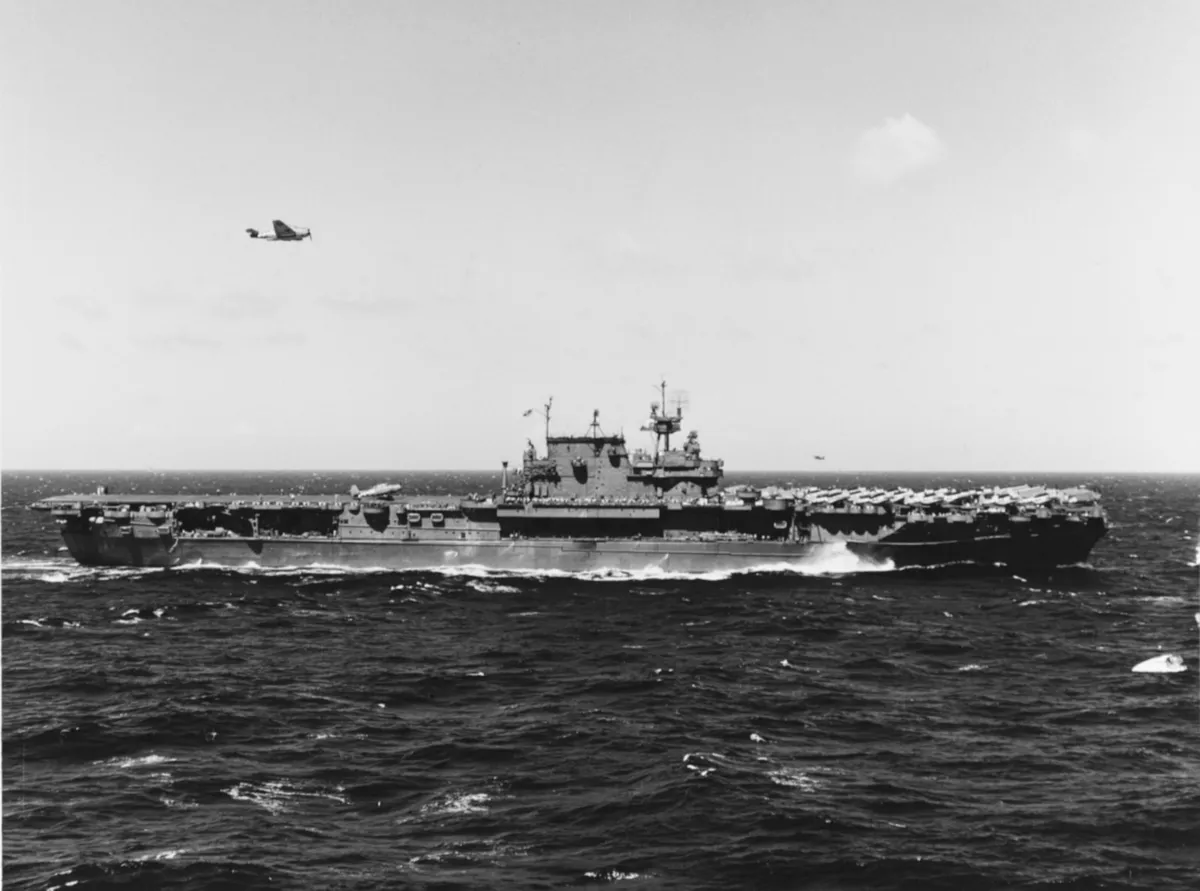
USS Enterprise earned 20 battle stars, more than any other US warship in World War II. She fought at Midway, the Eastern Solomons, the Santa Cruz Islands, Guadalcanal, the Philippine Sea, Leyte Gulf, Iwo Jima, and Okinawa. She was in the fight from two weeks after Pearl Harbor to the Japanese surrender. The Japanese reported sinking her three times. She kept coming back. Enterprise was the ship that proved the aircraft carrier had replaced the battleship as the dominant weapon in naval warfare. Her air groups sank more enemy tonnage than any other carrier's. And when the war ended, she was sold for scrap. No museum. No memorial. The most decorated warship in American history was cut apart for razor blades and rebar. It remains one of the great preservation failures in naval history.
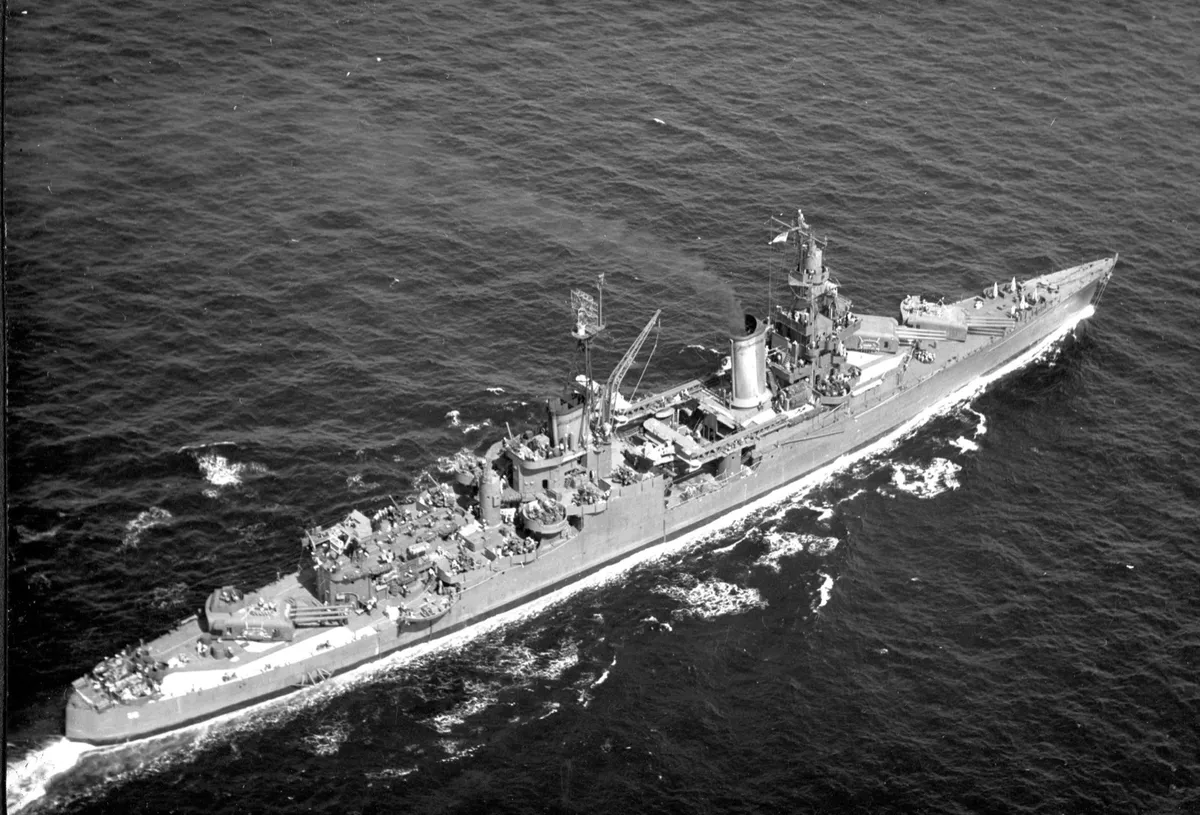
USS Indianapolis
USS Indianapolis delivered the components of the atomic bomb that would destroy Hiroshima. On the return trip, without escort, a Japanese submarine sank her with two torpedoes. Of 1,196 crew, roughly 900 made it into the water. They floated for four and a half days before rescue. Sharks, dehydration, salt water poisoning, and exposure killed approximately 580 men. Only 316 survived. It remains the worst shark attack in recorded history and the single largest loss of life from a single ship in U.S. Navy history. Captain McVay was court-martialed — the only U.S. Navy captain court-martialed for losing a ship to enemy action during WWII. He killed himself in 1968.
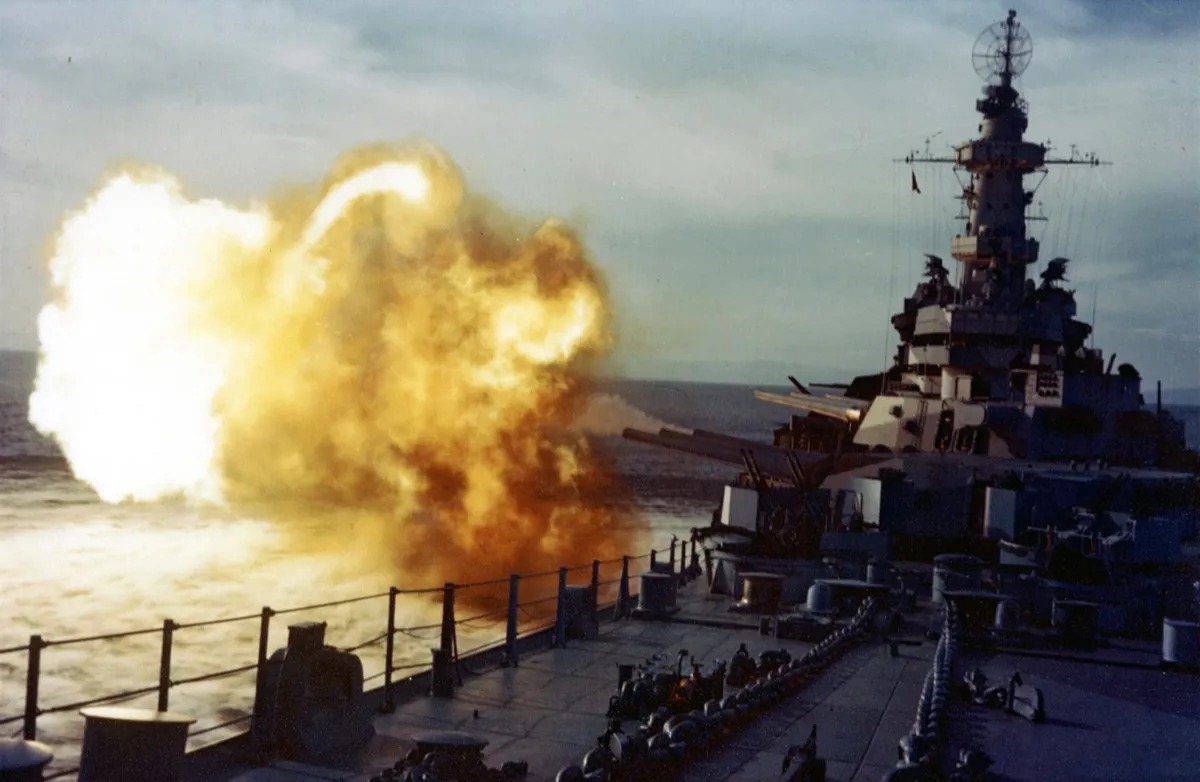
USS Missouri
USS Missouri is where World War II ended. On September 2, 1945, the Japanese delegation came aboard and signed the instrument of surrender on her deck in Tokyo Bay. That single event made Missouri the most historically significant warship of the 20th century, but it shouldn't overshadow what she actually was: an Iowa-class battleship, the most powerful surface warship class ever built by the United States. She served in Korea, shelling coastal positions, and was recommissioned in the 1980s as part of Reagan's 600-ship Navy, refitted with Tomahawk cruise missiles and Harpoon anti-ship missiles. She fired Tomahawks and her 16-inch guns in Desert Storm in 1991. She is the last American battleship to have fired her guns in combat.
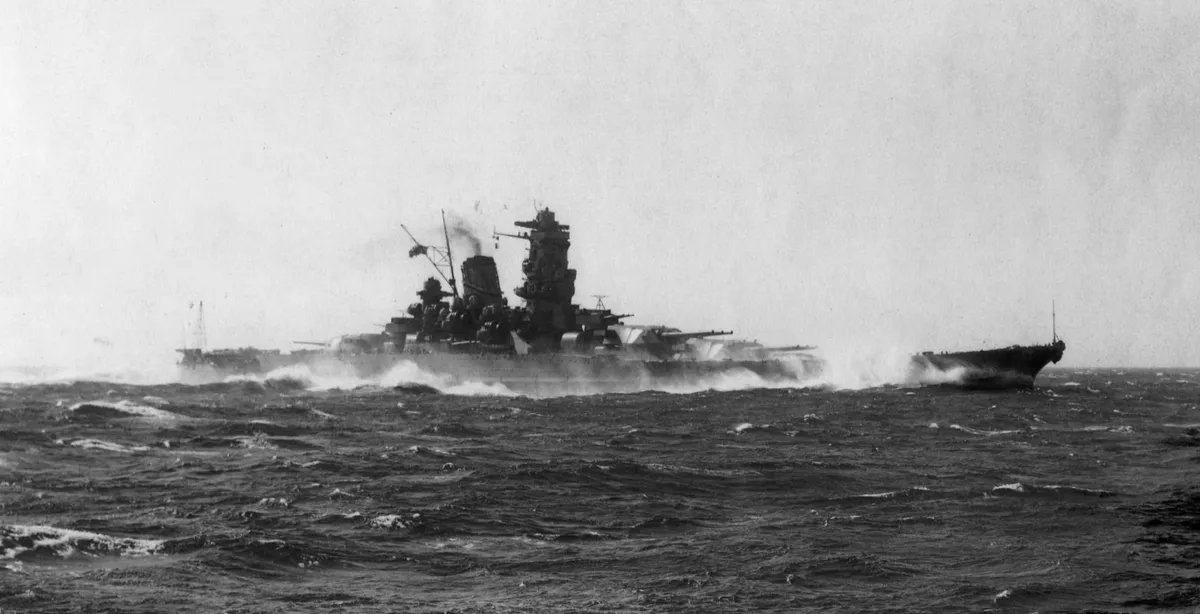
Yamato
Yamato was the largest, heaviest, most powerfully armed battleship ever built. Her 18.1-inch guns could throw 3,200-pound shells 26 miles. She displaced more than any warship before or since. The Japanese kept her existence secret — workers at Kure Naval Arsenal were forbidden from discussing what they were building. Yamato represented the pinnacle of battleship design, and she was obsolete before her paint dried. By 1945, carrier aviation had made the battleship a relic. Japan's navy was shattered. Yamato was sent on Operation Ten-Go — a one-way mission to beach herself at Okinawa and fight as a fixed battery until destroyed. She never got close. On April 7, 1945, 386 American aircraft swarmed her. She took 10 torpedo hits and 7 bomb hits before her forward magazines exploded. She capsized and sank, taking 3,055 of her 3,332 crew.