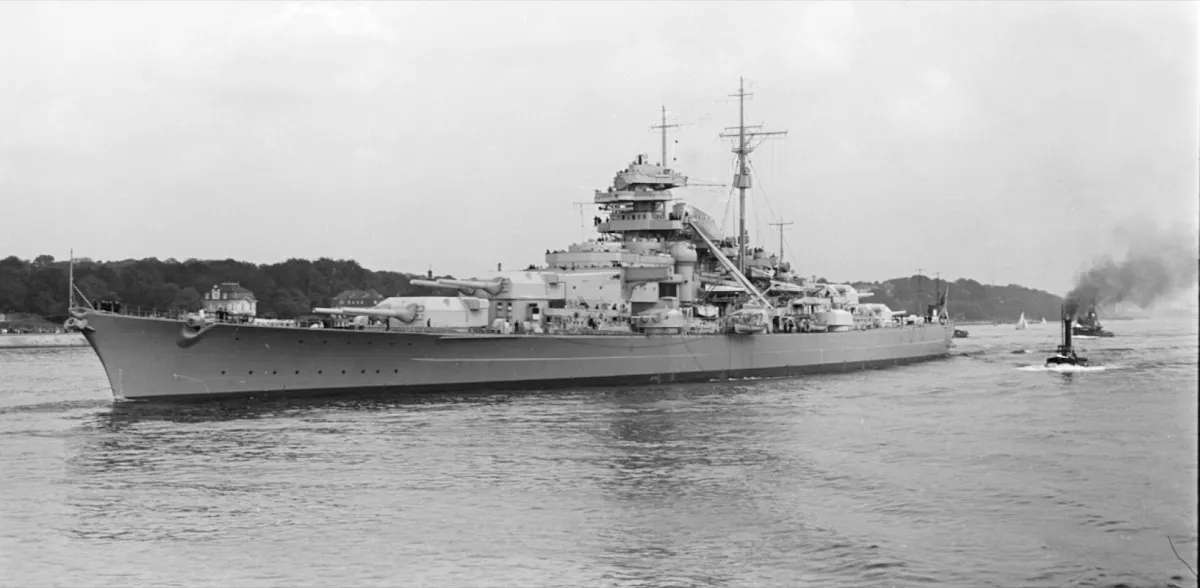
Bismarck
Bismarck-class Battleship
Why it matters
Bismarck's operational career lasted eight days. In that time, she became the most famous warship of the twentieth century. On May 24, 1941, she engaged HMS Hood and HMS Prince of Wales in the Denmark Strait.
A shell from Bismarck penetrated Hood's magazine. The explosion broke Hood in half. She sank in three minutes. Of 1,418 crew, three survived. Hood was the pride of the Royal Navy.
Churchill's order was immediate and absolute: sink the Bismarck. The Royal Navy sent everything. Battleships, carriers, cruisers, destroyers. Swordfish torpedo bombers — fabric-covered biplanes that looked like they belonged in the previous war — scored the hit that jammed Bismarck's rudder.
She could only steam in circles. The next morning, King George V and Rodney pounded her for ninety minutes. Bismarck's crew scuttled her. Of 2,065 men, 114 survived.
What it was like
Bismarck was the pride of the Kriegsmarine, and her crew knew it. She was new, fast, and heavily armored. The initial engagement with Hood was euphoric — the most feared ship in the Royal Navy destroyed in minutes.
But the hit from Prince of Wales that ruptured fuel tanks forward changed everything. Bismarck was leaking oil, leaving a trail the Royal Navy could follow.
The mood shifted from triumph to dread. When the Swordfish torpedo hit the rudder, the crew knew. They were trapped on a crippled ship a thousand miles from port, surrounded by the entire Royal Navy.
The final morning was slaughter. British shells tore through the superstructure. The ship wouldn't sink — the armor held — but everything above the waterline was destroyed.
Men were killed by concussion without visible wounds. The crew opened the sea cocks themselves.
The crew
Gunnery Officer
Bismarck's gunnery was exceptional. The fifth salvo against Hood scored the hit that destroyed her — remarkable accuracy at 14 miles. But during the final battle, return fire from Rodney and King George V systematically destroyed Bismarck's fire control and turrets. Within thirty minutes, all main guns were silenced. The gunnery crews were trapped in armored turrets that became ovens.
Engine Room Crew
The engine rooms were deep in the hull, below the armor belt. During the final battle, the engine crew could hear the shells hitting but couldn't see what was happening. They kept the turbines running until ordered to abandon ship. Many never made it topside. The ventilation was destroyed early, and the spaces filled with smoke and steam from ruptured lines.
Patina notes
Bismarck lies in 15,700 feet of water, 400 miles west of Brest. Robert Ballard found her in 1989. The wreck is upright, the hull largely intact, which supports the German account that she was scuttled rather than sunk by British gunfire.
The superstructure is devastated. The bridge area is unrecognizable. The guns point in random directions. It is, unmistakably, the grave of 1,951 men.
Preservation reality
Bismarck is a protected war grave under international maritime law. Several deep-sea expeditions have filmed the wreck. James Cameron visited in 2002. No artifacts have been recovered.
The wreck is deteriorating — the rate of deep-sea corrosion means the hull will eventually collapse, though that's likely centuries away. Above water, the Bismarck story is kept alive by an exhaustive community of naval historians and model builders.
Where to see one
- • Wreck site, Atlantic Ocean (15,700 ft depth)
- • German Naval Museum, Wilhelmshaven (artifacts)
Preservation organizations
- • Bismarck Association
Sources
- Naval History and Heritage Command (2026-03-05)
Related vessels
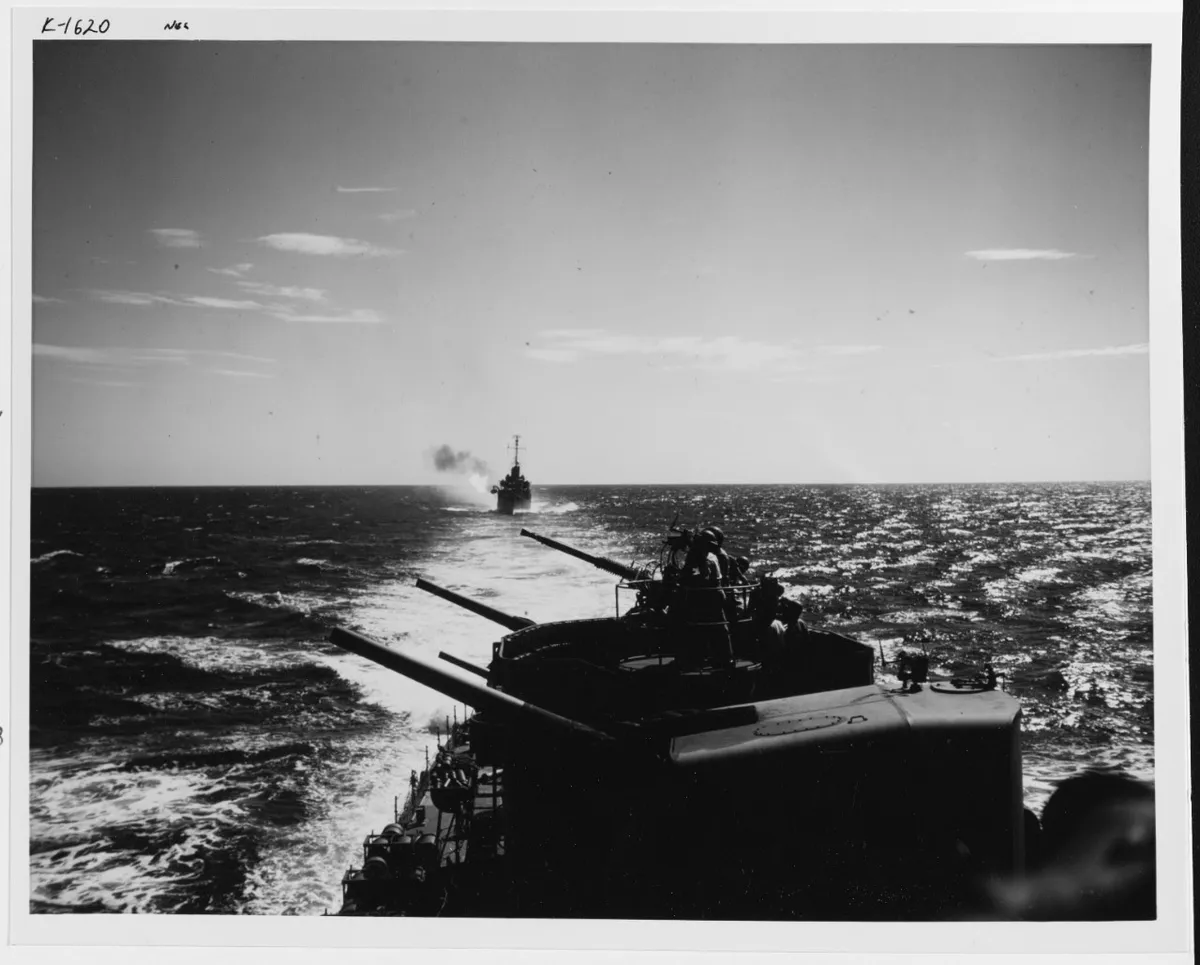
Fletcher-class Destroyer
The Fletcher class was the destroyer that won the Pacific. 175 built, more than any other destroyer class in history, and they did everything. Convoy escort in the Atlantic. Shore bombardment at Normandy. Surface actions in the Solomons. Radar picket duty at Okinawa, where they were positioned as sacrificial early-warning stations against kamikaze attacks. Nineteen Fletchers were lost during the war. They weren't glamorous. They were the ships that showed up everywhere, did the ugly work, and took casualties doing it.
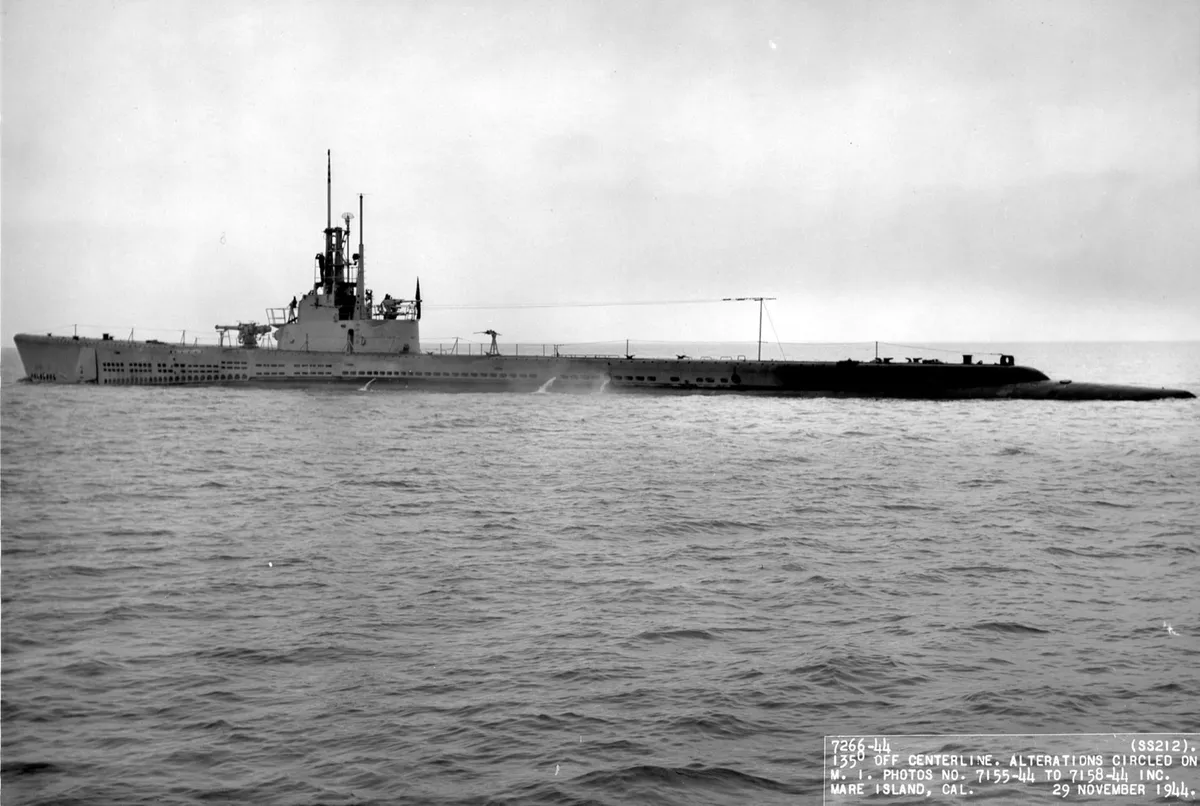
Gato-class Submarine
The Gato class fought the submarine war that strangled Japan. American submarines comprised less than 2% of the Navy's personnel and sank over 55% of Japan's merchant tonnage. The cost was staggering. 52 US submarines were lost during the war. 3,505 submariners killed. That's a 22% casualty rate, the highest of any branch of the US military in any war. One in five men who went on patrol in a fleet submarine did not come home. The Gato class bore the brunt of this campaign, running long patrols from Pearl Harbor and Australia into Japanese-controlled waters, operating alone, with no rescue if things went wrong.
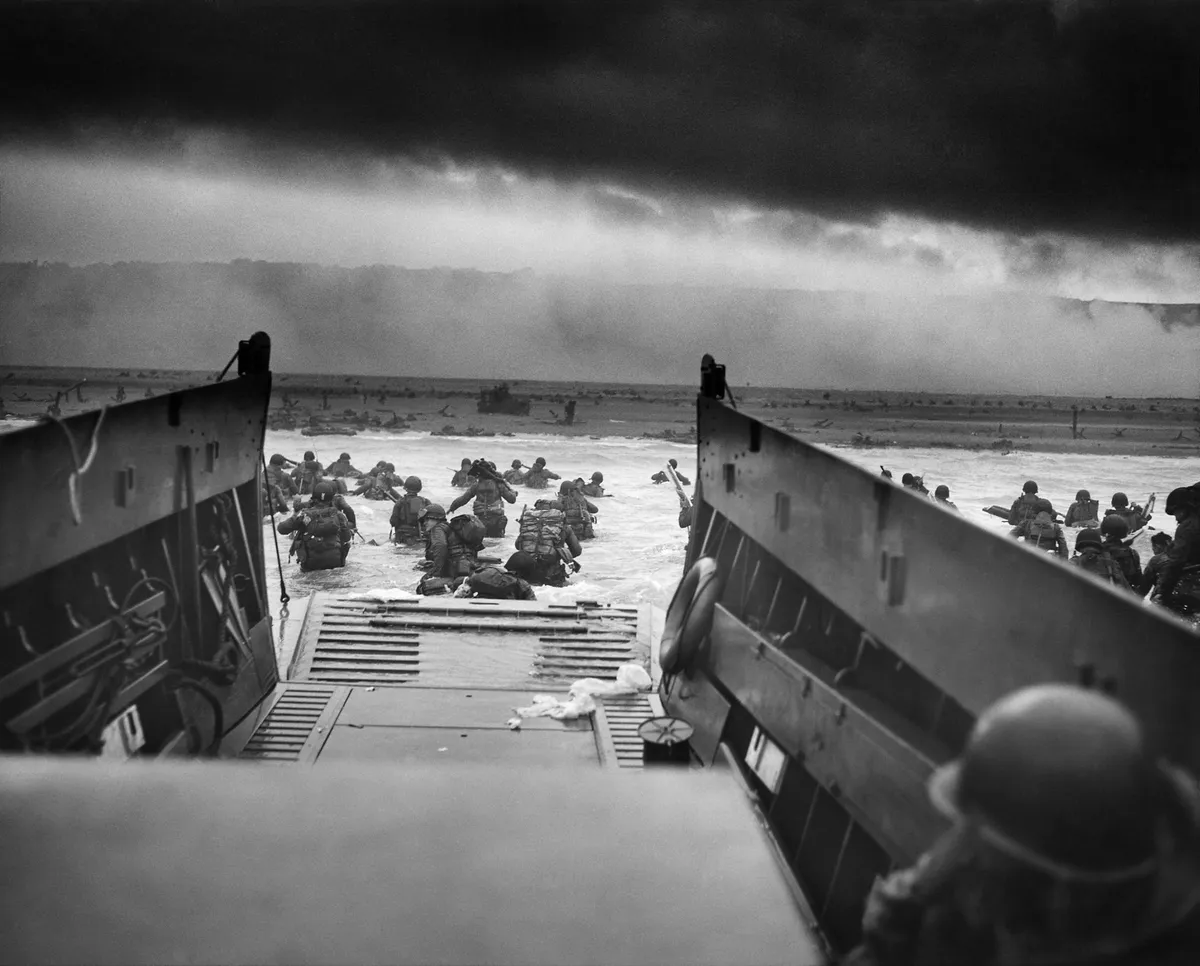
Higgins Boat (LCVP)
Eisenhower said Andrew Higgins was 'the man who won the war for us.' The LCVP — Landing Craft, Vehicle, Personnel — was the boat that put soldiers on the beach. At Normandy, Iwo Jima, Okinawa, North Africa, Sicily. The bow ramp was Higgins' innovation, borrowed from boats he'd seen in the Louisiana bayou. When that ramp dropped, you were looking at the beach, and the beach was looking at you. 23,398 were built. Without them, no amphibious invasion was possible.