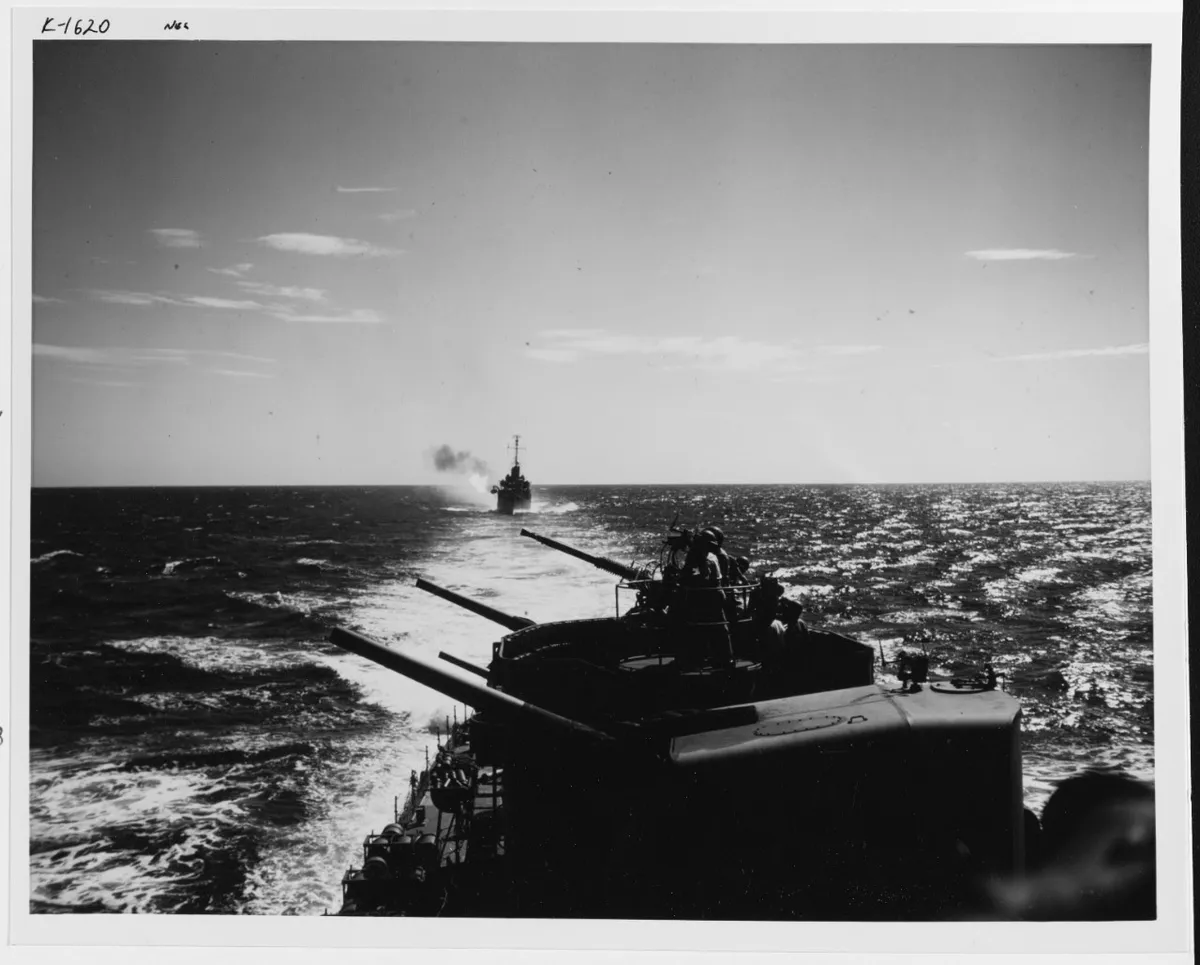
Fletcher-class Destroyer
Why it matters
The Fletcher class was the destroyer that won the Pacific. 175 built, more than any other destroyer class in history, and they did everything. Convoy escort in the Atlantic.
Shore bombardment at Normandy. Surface actions in the Solomons. Radar picket duty at Okinawa, where they were positioned as sacrificial early-warning stations against kamikaze attacks.
Nineteen Fletchers were lost during the war. They weren't glamorous. They were the ships that showed up everywhere, did the ugly work, and took casualties doing it.
What it was like
A Fletcher-class destroyer was 376 feet of thin steel between you and the ocean. Crew of 329, packed into spaces designed for maybe 250. In heavy seas, a destroyer doesn't ride the waves.
It gets thrown. The ship rolls 30, 40, sometimes 50 degrees. Everything not bolted down becomes a projectile. During Halsey's Typhoon in December 1944, three destroyers capsized and sank.
790 men died. The Fletchers that survived rode it out with their crews wedged into their bunks, holding on, listening to the hull flex and groan in ways steel shouldn't.
At Okinawa, Fletchers drew radar picket duty, stationed in a ring around the fleet as early-warning and first-contact stations for kamikaze attacks. They were sitting ducks and they knew it.
Kamikazes would come in waves, ten or twenty planes at a time, diving on the destroyers because the destroyers were the first thing they saw. The crews fired everything they had.
When a kamikaze hit, the aviation fuel fireball could engulf the entire superstructure. Men burned alive at their gun stations. And then there was anti-submarine warfare.
Dropping depth charges on a submerged target sounds straightforward until you realize the concussions from your own weapons hammer your own hull. The ship shudders with every explosion.
Crew below decks feel their teeth rattle. Light bulbs shatter. And you have no idea if you hit anything until debris or oil comes up.
The crew
Gun Captain (5-inch mount)
Commanded a ten-man gun crew feeding and firing a 5-inch/38 caliber dual-purpose gun. During kamikaze attacks, this gun was the ship's primary defense. Rate of fire was 15-22 rounds per minute if the crew could keep up. The mount was partially enclosed, which meant limited visibility, stifling heat from continuous firing, and the knowledge that a direct kamikaze hit on your mount killed everyone inside instantly. The 5-inch/38 was accurate, reliable, and the single best anti-aircraft gun the Navy had, but it couldn't stop everything.
Sonarman
Sat in a dark compartment listening to pings bounce off the ocean floor, wrecks, thermal layers, and occasionally a submarine. The sonarman's call determined whether the ship attacked or moved on. A wrong call meant wasted depth charges and a submarine that now knew exactly where you were. A right call meant the crew started rolling depth charges and firing K-guns, and the sonarman kept tracking through the concussions of his own ship's weapons trying to shake his equipment apart. In the Atlantic, submarine contacts came at night, in bad weather, when the convoy was most vulnerable.
Damage Control Party
When a kamikaze hit or a torpedo struck, the damage control party went toward the fire and flooding while everyone else's instincts said run. They shored up bulkheads with timbers, fought fires with hoses and fog nozzles, and plugged holes in the hull while the ocean poured in. In a ship as small as a destroyer, serious damage meant water in the engineering spaces within minutes. Losing power meant losing pumps, losing pumps meant losing the ship. The damage control party was the reason some Fletchers survived hits that should have sunk them.
Patina notes
Surviving Fletchers show their age in the way only wartime steel can. The hulls were built fast with wartime steel, and they rust accordingly. Museum ships require constant maintenance on the waterline and below.
The superstructure weathers to a rough, pitted texture under paint that never quite stops the corrosion underneath. Below decks, the machinery spaces are cramped enough to give you a physical understanding of what 329 men in this space actually meant.
Preservation reality
Several Fletcher-class destroyers survive as museum ships, which is remarkable for a class of ship that was designed to be expendable. USS Cassin Young in Boston, USS The Sullivans in Buffalo, USS Kidd in Baton Rouge.
Maintaining a steel warship as a museum is a constant, expensive battle against corrosion. The hull plating below the waterline is the critical concern.
USS The Sullivans nearly sank at her berth in 2022 due to hull deterioration and required emergency dry-dock repairs. These ships need millions of dollars in ongoing maintenance that most museum organizations struggle to fund.
Where to see one
- • USS Cassin Young (DD-793), Charlestown Navy Yard, Boston
- • USS The Sullivans (DD-537), Buffalo and Erie County Naval & Military Park
- • USS Kidd (DD-661), Baton Rouge, Louisiana
Preservation organizations
- • Tin Can Sailors — The National Association of Destroyer Veterans
- • USS Kidd Veterans Museum
Sources
- Naval History and Heritage Command (2026-03-05)
Related vessels
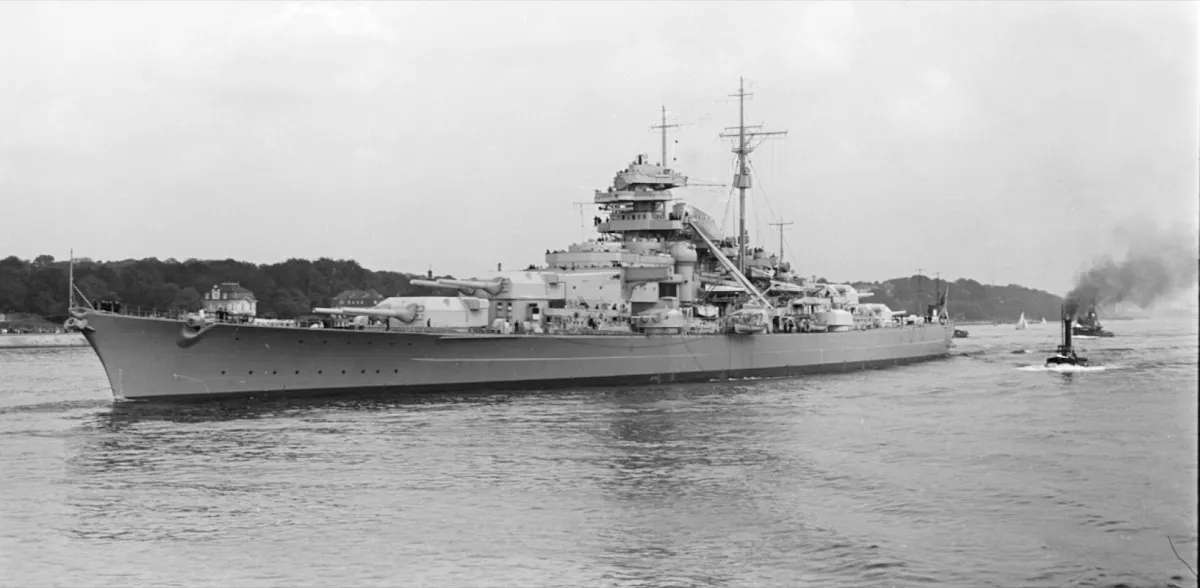
Bismarck
Bismarck's operational career lasted eight days. In that time, she became the most famous warship of the twentieth century. On May 24, 1941, she engaged HMS Hood and HMS Prince of Wales in the Denmark Strait. A shell from Bismarck penetrated Hood's magazine. The explosion broke Hood in half. She sank in three minutes. Of 1,418 crew, three survived. Hood was the pride of the Royal Navy. Churchill's order was immediate and absolute: sink the Bismarck. The Royal Navy sent everything. Battleships, carriers, cruisers, destroyers. Swordfish torpedo bombers — fabric-covered biplanes that looked like they belonged in the previous war — scored the hit that jammed Bismarck's rudder. She could only steam in circles. The next morning, King George V and Rodney pounded her for ninety minutes. Bismarck's crew scuttled her. Of 2,065 men, 114 survived.
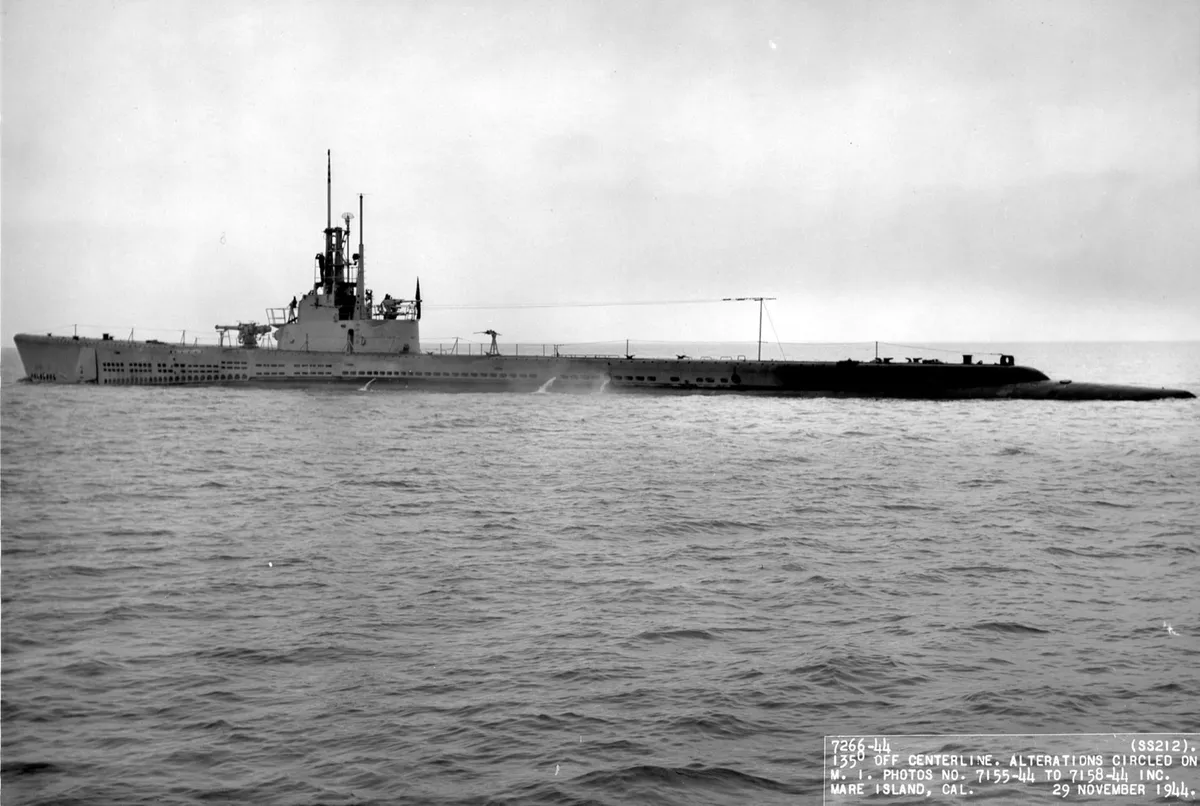
Gato-class Submarine
The Gato class fought the submarine war that strangled Japan. American submarines comprised less than 2% of the Navy's personnel and sank over 55% of Japan's merchant tonnage. The cost was staggering. 52 US submarines were lost during the war. 3,505 submariners killed. That's a 22% casualty rate, the highest of any branch of the US military in any war. One in five men who went on patrol in a fleet submarine did not come home. The Gato class bore the brunt of this campaign, running long patrols from Pearl Harbor and Australia into Japanese-controlled waters, operating alone, with no rescue if things went wrong.
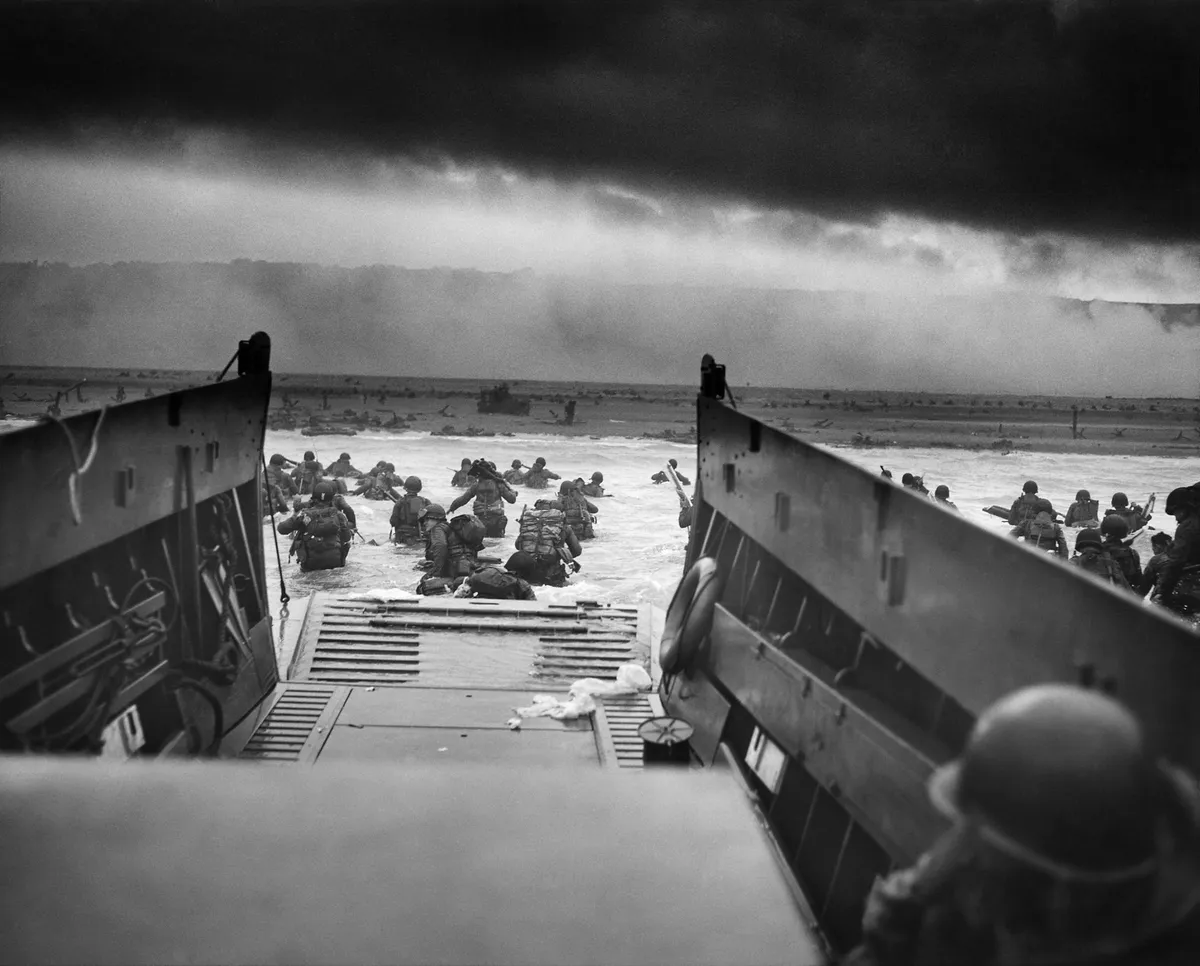
Higgins Boat (LCVP)
Eisenhower said Andrew Higgins was 'the man who won the war for us.' The LCVP — Landing Craft, Vehicle, Personnel — was the boat that put soldiers on the beach. At Normandy, Iwo Jima, Okinawa, North Africa, Sicily. The bow ramp was Higgins' innovation, borrowed from boats he'd seen in the Louisiana bayou. When that ramp dropped, you were looking at the beach, and the beach was looking at you. 23,398 were built. Without them, no amphibious invasion was possible.