Bethlehem Steel Shipbuilding
Bethlehem Steel's shipbuilding division was the naval-industrial complex before the term existed. Operating yards in Quincy, Massachusetts; San Francisco; Staten Island; Baltimore; and Sparrows Point, Maryland, Bethlehem built and repaired an astonishing volume of warships and merchant vessels across both World Wars. The Fore River yard in Quincy alone produced battleships, aircraft carriers, cruisers, and destroyers for decades.
Heritage
Bethlehem Shipbuilding was part of the broader Bethlehem Steel empire that literally built modern America, from the steel in skyscrapers to the armor plate on warships. The shipbuilding division produced over 1,100 vessels during WWII alone. The decline of Bethlehem Steel is one of the great American industrial collapse stories, from a company that employed 300,000 people to bankruptcy in 2003. The shipyards closed before the parent company did, but the ships they built served for decades after the yards went silent.
Vessels (2)
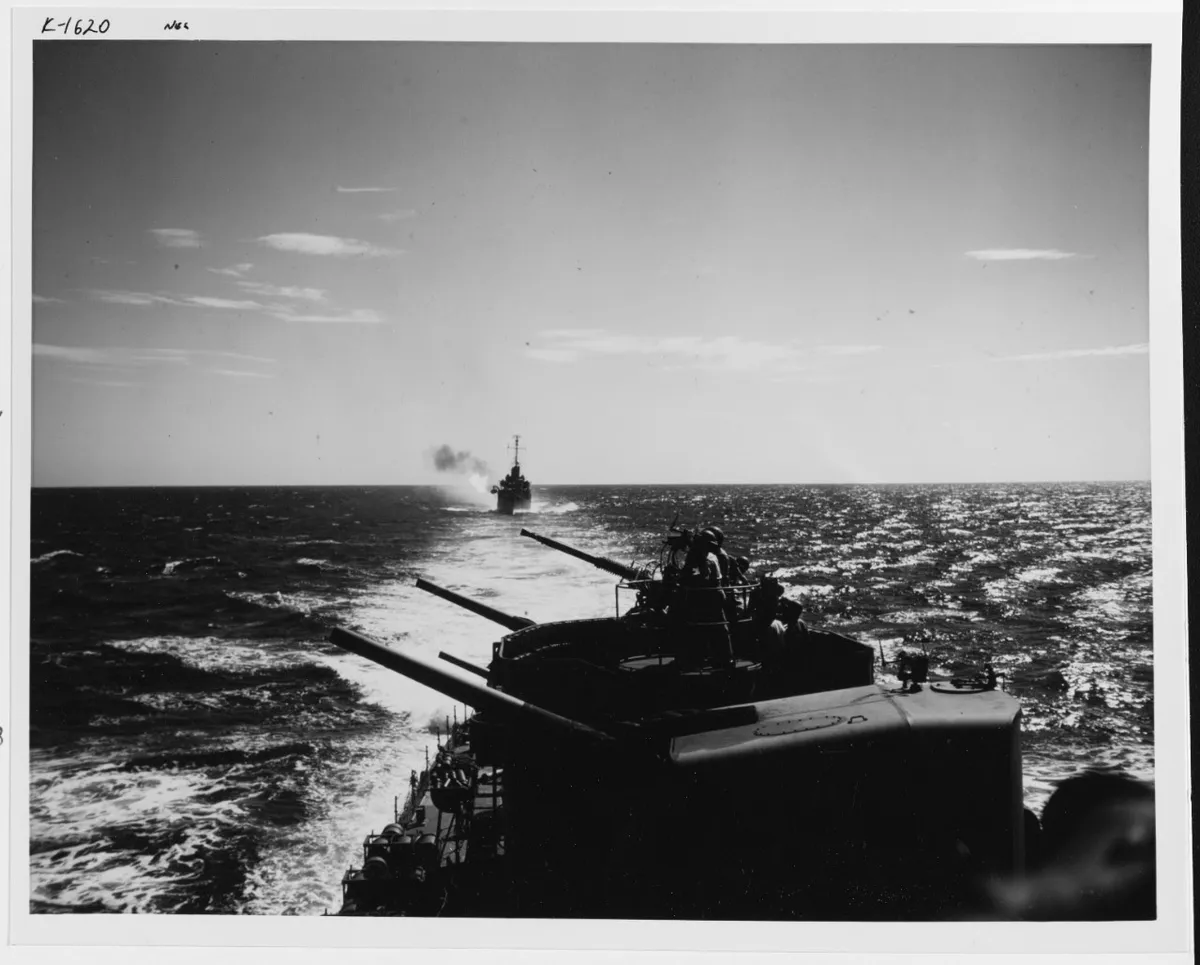
Fletcher-class Destroyer
The Fletcher class was the destroyer that won the Pacific. 175 built, more than any other destroyer class in history, and they did everything. Convoy escort in the Atlantic. Shore bombardment at Normandy. Surface actions in the Solomons. Radar picket duty at Okinawa, where they were positioned as sacrificial early-warning stations against kamikaze attacks. Nineteen Fletchers were lost during the war. They weren't glamorous. They were the ships that showed up everywhere, did the ugly work, and took casualties doing it.
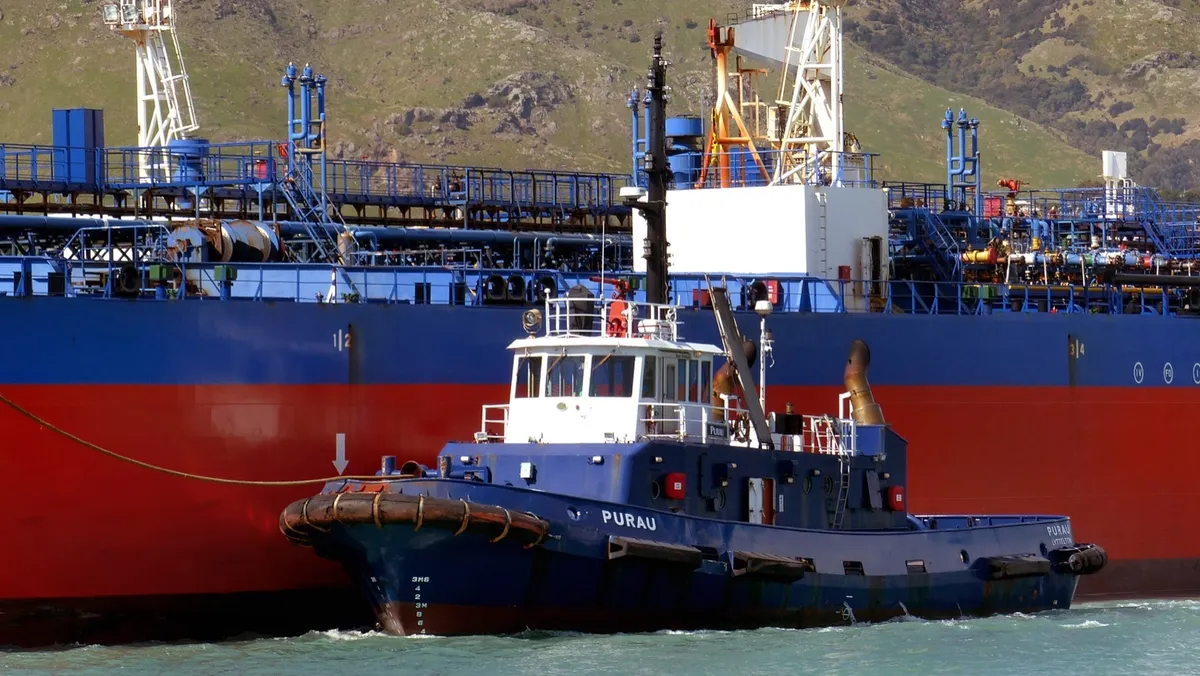
Harbor Tugboat
Every ship that enters a port does so with the help of tugboats. Container ships, tankers, cruise ships, naval vessels — they all need tugs to dock. The tugboat is the most understated essential vessel in maritime commerce. Without them, ports don't function. The engineering is focused entirely on power relative to size: a 100-foot tugboat can control a 1,300-foot container ship. The bollard pull of a modern harbor tug exceeds 80 tons. The skill of the tug operators is extraordinary — they're pushing and pulling against vessels fifty times their size in tight quarters, in current, in wind, communicating by radio with the pilot on the big ship.