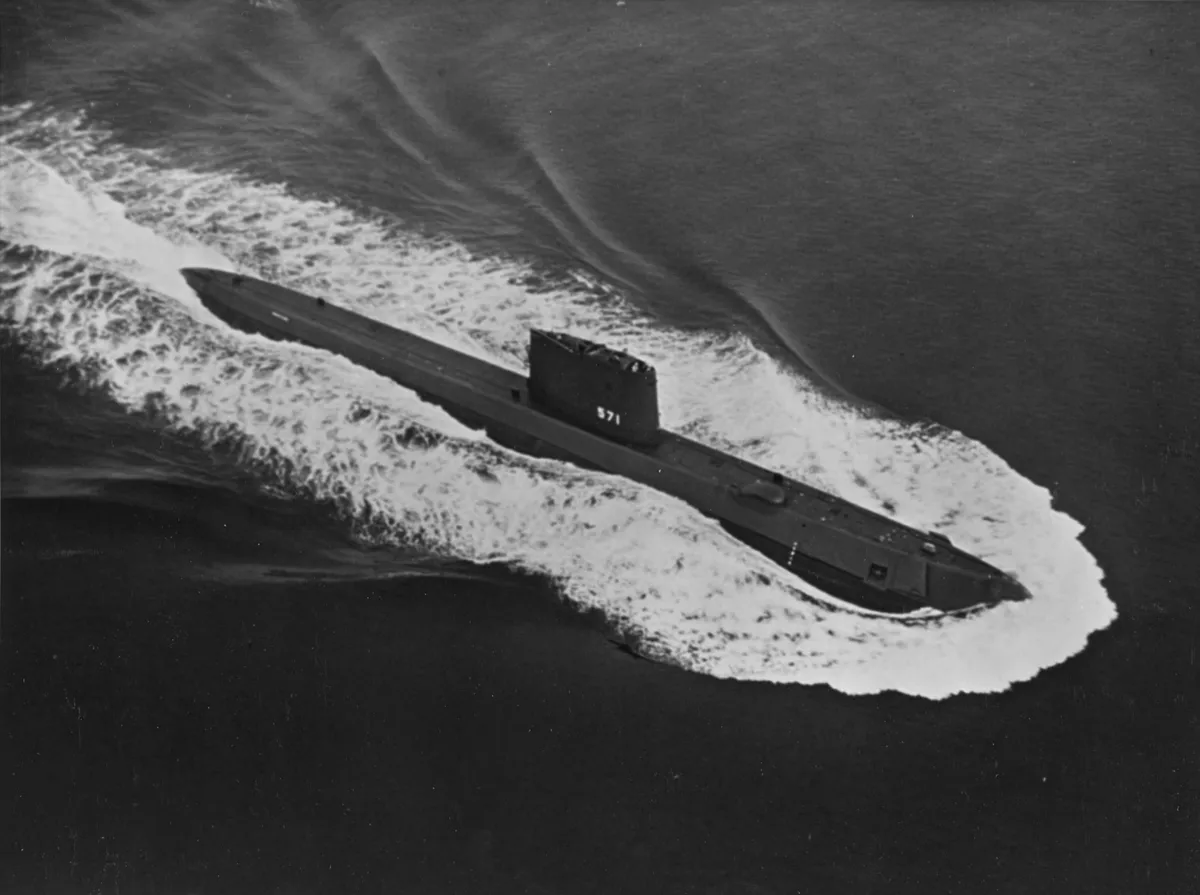
USS Nautilus (SSN-571)
SSN-571
Why it matters
USS Nautilus made every submarine that came before her obsolete in an afternoon. On January 17, 1955, her commanding officer signaled "Underway on nuclear power," and the entire calculus of submarine warfare changed.
Before Nautilus, a submarine was a surface vessel that could hide underwater temporarily. Battery life measured in hours. Speed submerged was a fraction of surface speed.
Nautilus could stay submerged indefinitely, at high speed, limited only by the crew's food supply and psychological endurance. On August 3, 1958, she became the first vessel to reach the geographic North Pole, transiting beneath the Arctic ice cap. The message: "Nautilus 90 North." Everything the nuclear submarine fleet became, every ballistic missile submarine sitting on patrol right now ensuring nuclear deterrence, started with this boat.
What it was like
Nautilus gave her crew something no submarine crew had ever experienced: unlimited time underwater. That sounds like a technical achievement until you think about what it means for the men inside.
No surfacing. No fresh air. No natural light. No sense of whether it's day or night, summer or winter. The reactor didn't care. It would run for years without refueling.
The boat could make oxygen from seawater and scrub CO2 from the air. The old submarine rhythm, surface at night to charge batteries and run the diesels, was gone.
In its place was an environment completely severed from the natural world. The crew adapted, but the psychological weight of prolonged submergence was something the Navy was learning in real time.
On the polar transit, Nautilus ran beneath ice that would have made surfacing impossible even in an emergency. The crew knew that if something went seriously wrong, there was no up.
The ice overhead was the ceiling, and it didn't open. The navigation was dead reckoning and inertial; GPS didn't exist. The crew trusted instruments to tell them where the ice ended and open water began.
The physical environment was a significant improvement over WWII boats. Air conditioning. Better food. More space per man. But the trade-off was duration.
WWII patrols were two months. Nuclear submarine patrols could be whatever the Navy decided they were. The hull never needed to see daylight again.
The crew
Reactor Operator
A new kind of sailor. Nautilus introduced the nuclear-trained enlisted man, selected by Admiral Rickover's program for intelligence and psychological stability. The reactor operator monitored the S2W reactor from the maneuvering room, watching gauges that measured processes most people only encounter in physics textbooks. Coolant temperature, neutron flux, steam pressure. A mistake didn't mean a breakdown. It could mean a reactor casualty. Rickover's training program was legendarily brutal, washing out the majority of candidates. The men who made it through understood the plant at an engineering level that most officers in the surface fleet couldn't match.
Navigator
Navigating beneath the Arctic ice cap in 1958 without GPS, without satellite fixes, without surfacing. The navigator relied on inertial navigation systems that were cutting-edge and imperfect. Dead reckoning accumulated error with every mile. The fathometer bounced signals off the ice overhead and the ocean floor below, giving the crew a rough picture of the space they were threading through. Finding polynyas, openings in the ice where the boat could surface in an emergency, was a critical part of route planning. The navigator's calculations were the difference between reaching open water and driving into an ice shelf.
Corpsman
The submarine had no doctor aboard. The Hospital Corpsman was the medical department. If a sailor broke a bone, had an appendicitis, or suffered a burn from a steam line, the corpsman handled it. There was no medevac from under the polar ice cap. No helicopter was coming. The corpsman carried a surgical manual and enough training to handle emergencies that would normally require a hospital. On extended submerged patrols, he was also the closest thing the crew had to a mental health professional, watching for the signs of men who were not handling confinement well.
Patina notes
Nautilus is preserved in remarkably good condition, having been designated a National Historic Landmark in 1982. The reactor compartment has been defueled and sealed.
The exterior hull shows the simple, clean lines of a pre-tear-drop submarine design. She looks like a larger version of the WWII fleet boats she replaced, which makes sense since her hull form was conventional. The revolution was inside, not in the shape.
Preservation reality
USS Nautilus is a museum ship at the Submarine Force Library and Museum in Groton, Connecticut, operated by the Naval History and Heritage Command. She was the first ship accepted into the Historic Ship Nautilus and Submarine Force Library and Museum program.
Visitors can walk through the forward compartments and get a real sense of the space. The reactor compartment is sealed and off-limits. Maintenance is funded through the Navy's museum program, giving Nautilus a stability that most museum ships, dependent on private fundraising, can only envy.
Where to see one
- • Submarine Force Library and Museum, Groton, Connecticut
Preservation organizations
- • Submarine Force Library and Museum
- • Naval History and Heritage Command
Sources
- Naval History and Heritage Command (2026-03-05)
Related vessels
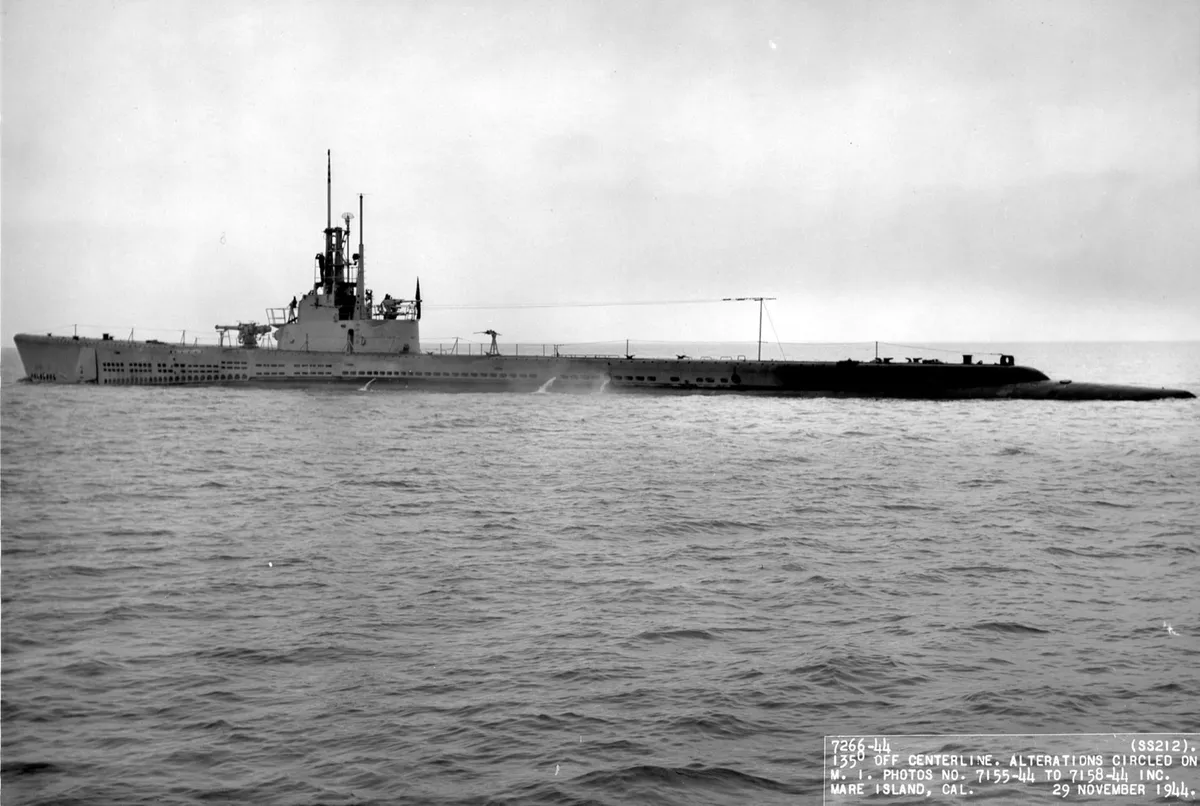
Gato-class Submarine
The Gato class fought the submarine war that strangled Japan. American submarines comprised less than 2% of the Navy's personnel and sank over 55% of Japan's merchant tonnage. The cost was staggering. 52 US submarines were lost during the war. 3,505 submariners killed. That's a 22% casualty rate, the highest of any branch of the US military in any war. One in five men who went on patrol in a fleet submarine did not come home. The Gato class bore the brunt of this campaign, running long patrols from Pearl Harbor and Australia into Japanese-controlled waters, operating alone, with no rescue if things went wrong.
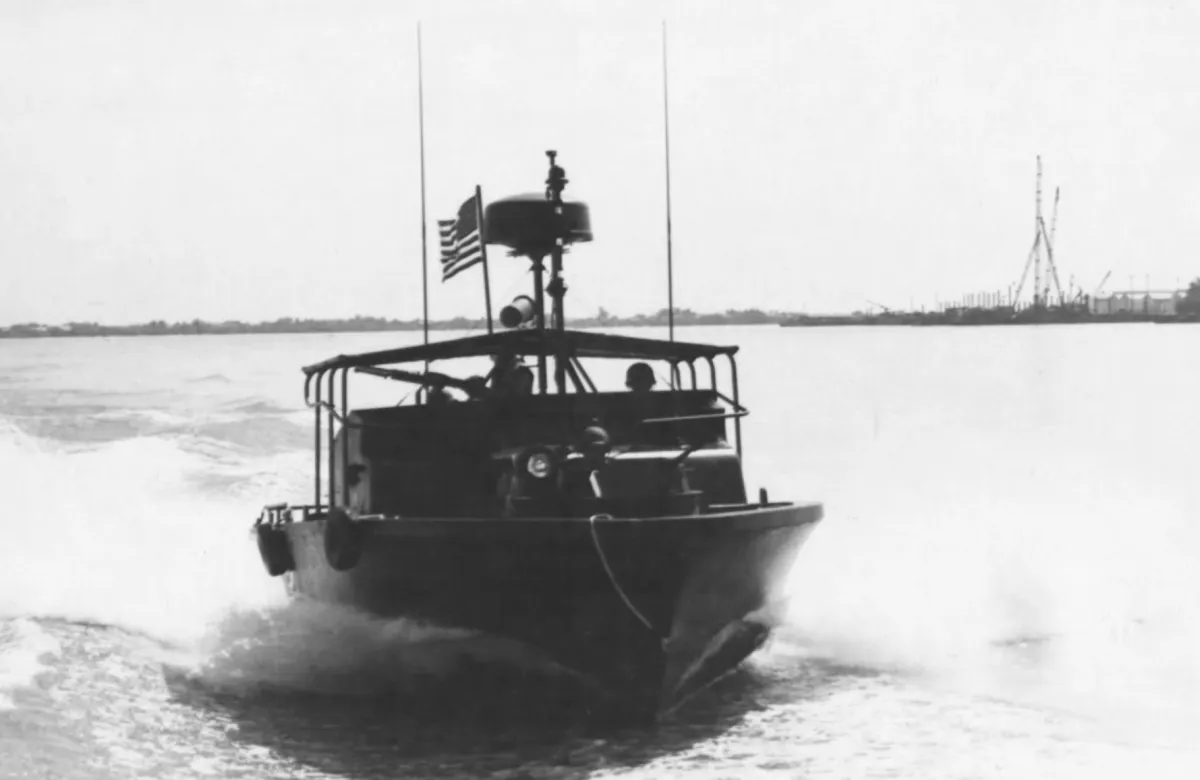
PBR Mark II (Patrol Boat, River)
The PBR Mark II was the Navy's answer to a problem nobody wanted: how do you project naval power up a river in the jungle? The Mekong Delta was a labyrinth of narrow waterways, mangrove swamps, and villages that could be friendly at dawn and hostile by noon. The Navy needed something fast, shallow-draft, and tough enough to absorb ambush fire and keep running. Hundreds of PBRs operated in Vietnam between 1966 and 1975 as part of Operation Game Warden and the Mobile Riverine Force. Four-man crews ran patrols that were part law enforcement, part combat mission. They stopped and searched sampans, interdicted supply routes, and drew fire from both banks of rivers too narrow to turn around in. Then Francis Ford Coppola put a PBR crew at the center of Apocalypse Now, and the boat became the most recognizable small military vessel in film history. The journey upriver to find Colonel Kurtz is a journey into madness, and the PBR is the last piece of institutional sanity the crew has. When the boat stops, civilization stops. The real PBR deserves its reputation independently of Hollywood. It was a fiberglass hull in a war zone, crewed by young men doing the most dangerous small-boat duty in Navy history.
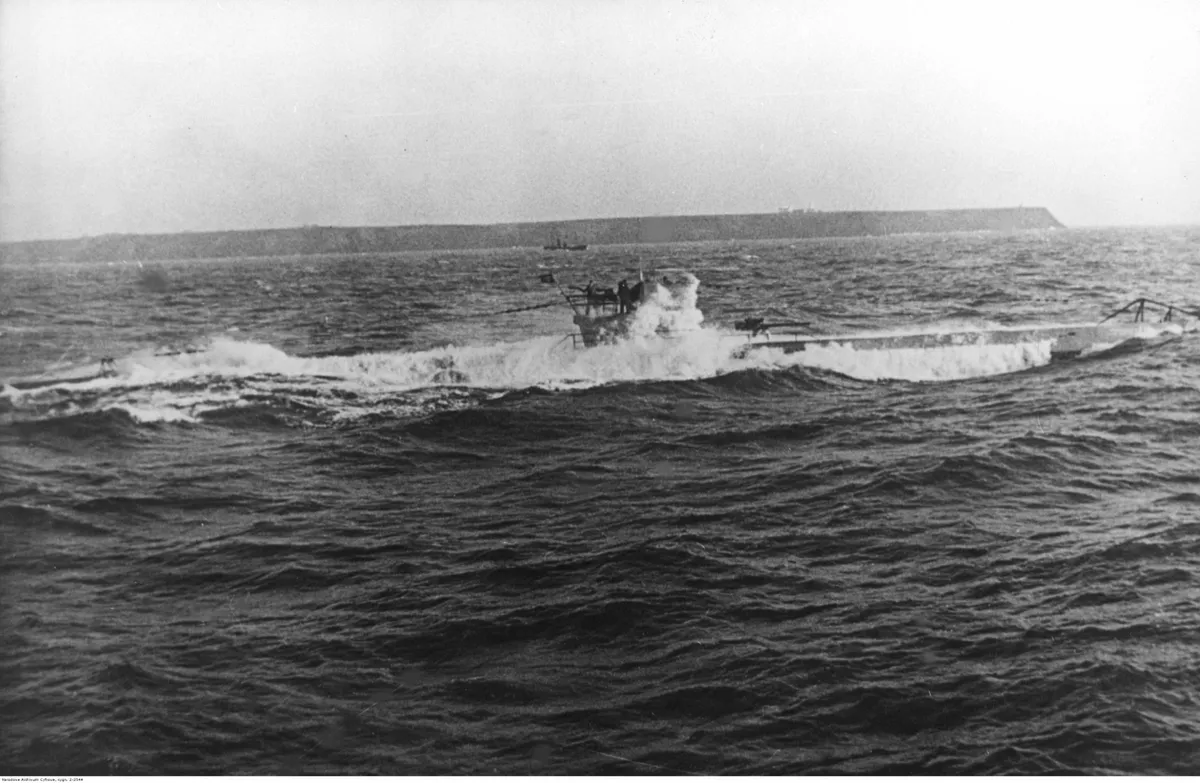
Type VII U-boat
The Type VII was the workhorse of the German U-boat fleet and the most produced submarine class in history. Seven hundred and three were built. They nearly won the Battle of the Atlantic — in 1942, U-boats were sinking Allied merchant ships faster than they could be replaced. Churchill later wrote that the U-boat threat was 'the only thing that ever really frightened me during the war.' The Type VII was not a good submarine. It was cramped, slow underwater, and limited in range compared to American fleet boats. But it was cheap, quick to build, and deployed in numbers that overwhelmed Allied defenses until 1943, when improved radar, Ultra intelligence, and escort carriers turned the tide. Of roughly 40,000 men who served in U-boats, 30,000 died. A 75% fatality rate — the highest of any branch of any military in WWII.