Electric Boat
The submarine company. Electric Boat in Groton, Connecticut has built more submarines than any other yard in the Western world. A division of General Dynamics, EB is responsible for every class of U.S. Navy nuclear submarine from the Nautilus forward. If it dives and carries a nuclear reactor, EB probably built it or designed it.
Heritage
EB started by building John Holland's experimental submarines for the Navy at the turn of the 20th century and never stopped. They designed and built the USS Nautilus, the world's first nuclear-powered submarine, and every generation of ballistic missile and attack subs since. The yard is the backbone of American undersea deterrence, and there's no realistic replacement for its institutional knowledge.
Vessels (3)
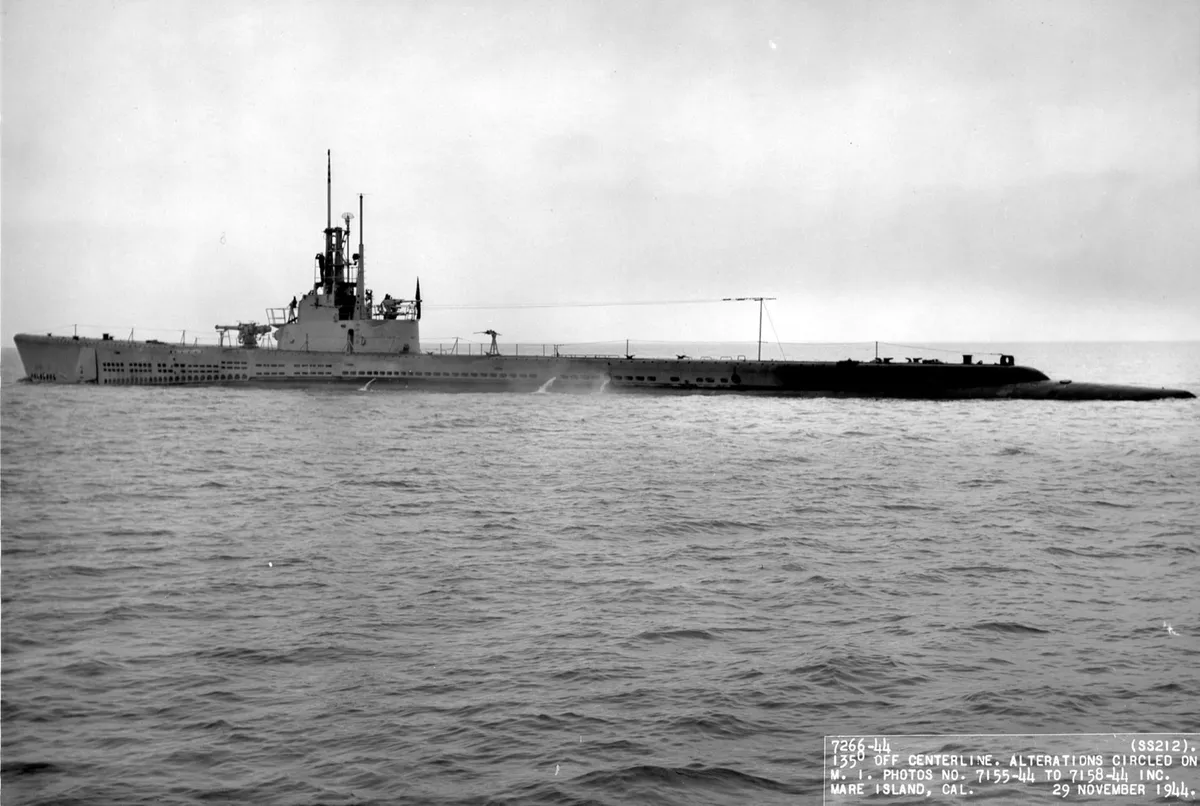
Gato-class Submarine
The Gato class fought the submarine war that strangled Japan. American submarines comprised less than 2% of the Navy's personnel and sank over 55% of Japan's merchant tonnage. The cost was staggering. 52 US submarines were lost during the war. 3,505 submariners killed. That's a 22% casualty rate, the highest of any branch of the US military in any war. One in five men who went on patrol in a fleet submarine did not come home. The Gato class bore the brunt of this campaign, running long patrols from Pearl Harbor and Australia into Japanese-controlled waters, operating alone, with no rescue if things went wrong.
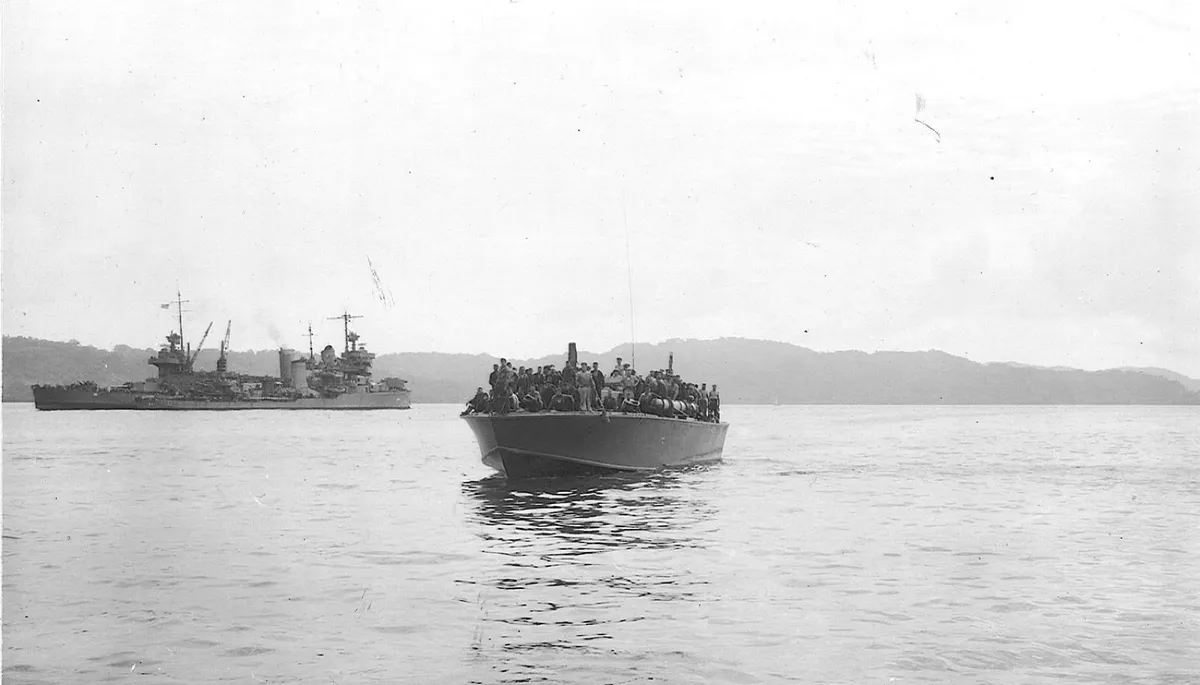
PT-109
PT-109 is the most famous small vessel in American military history because a future president survived its sinking. On August 2, 1943, the Japanese destroyer Amagiri cut PT-109 in half in the Blackett Strait. Lt. John F. Kennedy towed a badly burned crew member by clenching the strap of his life jacket in his teeth and swimming for four hours. The crew survived six days on a deserted island. PT boats were fast, fragile, and expendable. Their crews knew it.
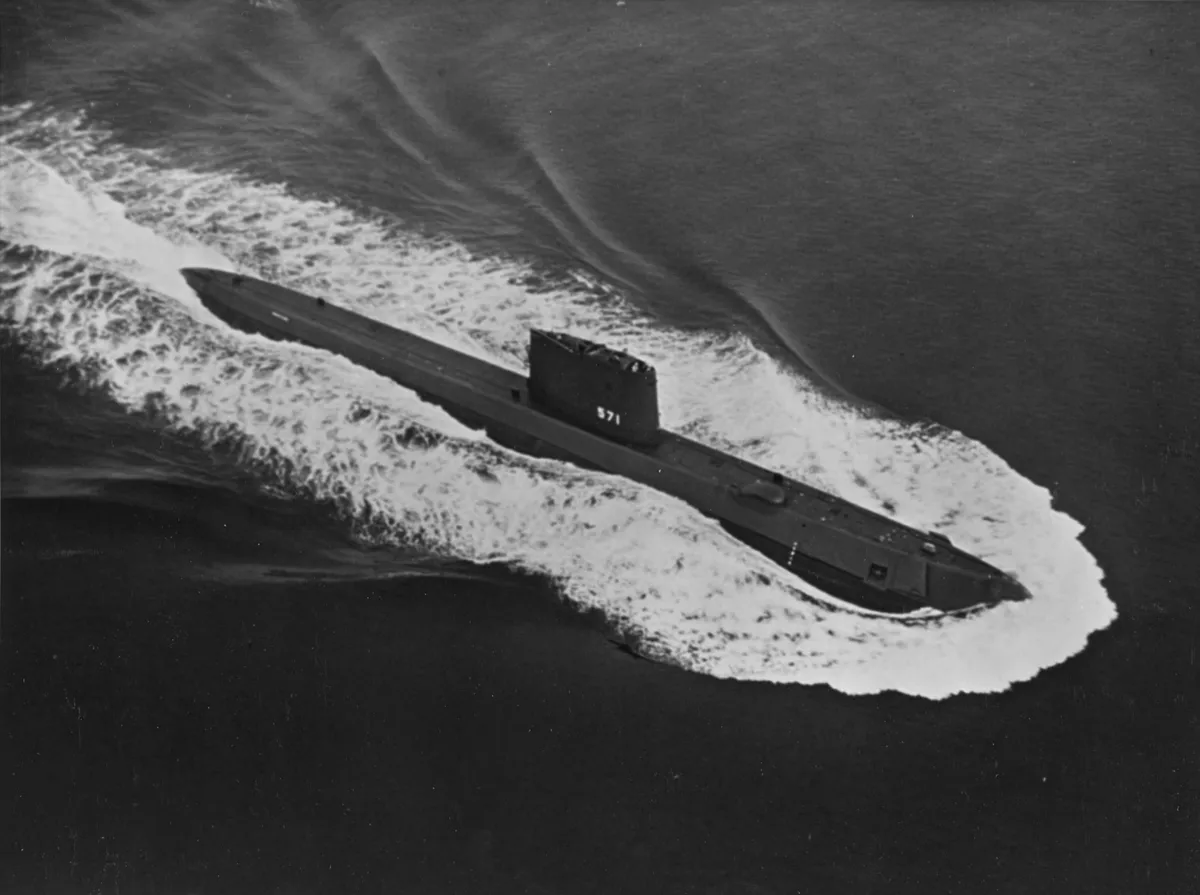
USS Nautilus (SSN-571)
USS Nautilus made every submarine that came before her obsolete in an afternoon. On January 17, 1955, her commanding officer signaled "Underway on nuclear power," and the entire calculus of submarine warfare changed. Before Nautilus, a submarine was a surface vessel that could hide underwater temporarily. Battery life measured in hours. Speed submerged was a fraction of surface speed. Nautilus could stay submerged indefinitely, at high speed, limited only by the crew's food supply and psychological endurance. On August 3, 1958, she became the first vessel to reach the geographic North Pole, transiting beneath the Arctic ice cap. The message: "Nautilus 90 North." Everything the nuclear submarine fleet became, every ballistic missile submarine sitting on patrol right now ensuring nuclear deterrence, started with this boat.