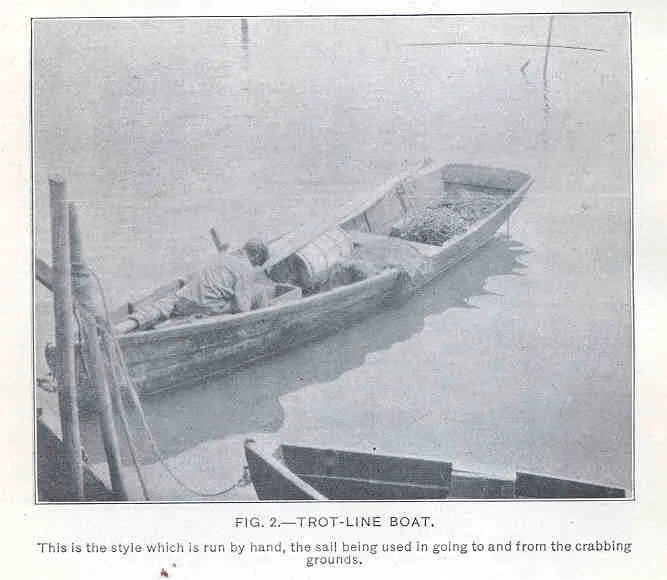
Chesapeake Bay Crab Boat
Why it matters
This is not the same boat as the Chesapeake deadrise entry on this site. The deadrise is a hull design. This is the specific working configuration: the boat rigged for crabbing, run by watermen who've been doing this since before anyone was keeping records.
Chesapeake Bay blue crab is a $200+ million annual industry in Maryland alone. Every bushel of that crab comes off a boat like this. The boats run trotlines (a baited line laid along the bottom, pulled slowly while the crabber scoops crabs with a net as they surface) or haul crab pots (wire traps baited with chicken necks, fish heads, or commercial bait). The method depends on the waterman, the location, and the regulations.
The boats reflect the economics of crabbing. Crab prices fluctuate wildly. A bushel of number ones might bring $200 one week and $120 the next. Fuel costs are fixed. Bait costs are fixed. So the boats are cheap to buy, cheap to run, and rigged for efficiency. Nothing decorative. Everything has a purpose. The culling board stretches across the beam so the crabber can sort the catch: legal males in one basket, too-small in another, females back in the water (in most seasons). The bushel baskets stack in the stern.
The season runs roughly April to November. The watermen who run these boats wake up at 3 AM, six days a week, for eight months. They do it because it's what their fathers did and their grandfathers did, and because the Bay is the only office that matters.
What it was like
You leave the dock at 3:30 AM when it's still dark, running out to your line of 300 pots on radar and memory. The air smells like diesel exhaust, salt, and last week's bait. The first pot comes up on the hydraulic puller. You dump it on the culling board, sort the keepers, rebait with a mesh bag of chicken necks, and drop it back over the side. Three hundred times. By 7 AM your back hurts. By 10 AM your hands are cut up from crab claws and wire pots. By noon you're heading in with whatever the Bay gave you today.
The trotline method is different. You lay a line, maybe a thousand yards, baited at intervals. Then you run the line slowly, pulling it over a roller at the gunwale, scooping the crabs with a long-handled net as they surface, still clinging to the bait. It's a rhythm: pull, scoop, pull, scoop. Miss one and it drops back. The good trotliners can work a line without looking, scooping by feel and peripheral vision. The boat idles along at walking speed, the roller turning, the crabs coming up in clusters.
The crew
Waterman (Captain)
Owner-operator. Works alone most days. Runs the boat, pulls the pots, sorts the catch, delivers to the buying house. The waterman's license in Maryland is a serious thing: it's limited entry, meaning they don't issue new ones freely. Licenses pass through families. The income is seasonal and unpredictable. A great season might net $40-50,000. A bad season barely covers fuel and bait. The waterman knows every inch of the bottom by the color of the water, the way the current runs, and twenty years of memory.
Mate (When Available)
Sometimes a son, a nephew, or a hired hand. The mate baits pots, sorts crabs, and handles the culling board while the captain runs the boat and the puller. Having a mate doubles your speed and halves your fatigue. Most watermen can't afford one. The ones who can are usually the older captains running bigger operations with 500+ pots.
Patina notes
A crab boat after ten seasons is a sensory experience. The fiberglass is stained with crab juice, bait oil, and diesel. The culling board has a permanent layer of biological material that no amount of hosing will remove.
The deck non-skid is worn smooth at the working stations. The pot puller is corroded from salt spray. The helm station has a VHF, a depth finder, and sun-bleached plastic.
The smell never fully leaves. Even hauled and pressure-washed in winter, the boat carries the ghost of ten thousand bushels in its pores.
Preservation reality
Crab boats aren't preserved because they're still being used. The tradition is the preservation. As long as watermen work the Chesapeake, these boats will be built, rigged, and run into the ground.
The Chesapeake Bay Maritime Museum in St. Michaels, Maryland, has working examples and demonstrations during the annual WatermenFest. The Calvert Marine Museum in Solomons also maintains historic examples. The real museum is any working harbor between Crisfield and Rock Hall at 4 AM on a June morning.
Where to see one
- • Chesapeake Bay Maritime Museum, St. Michaels, MD
- • Calvert Marine Museum, Solomons, MD
- • Any working harbor on Maryland's Eastern Shore
- • Crisfield, MD (self-proclaimed Crab Capital of the World)
Preservation organizations
- • Chesapeake Bay Maritime Museum
- • Maryland Watermen's Association
- • Chesapeake Bay Foundation
Sources
- Chesapeake Bay Maritime Museum (2026-03-05)
- Maryland Department of Natural Resources - Blue Crab (2026-03-05)
Related vessels
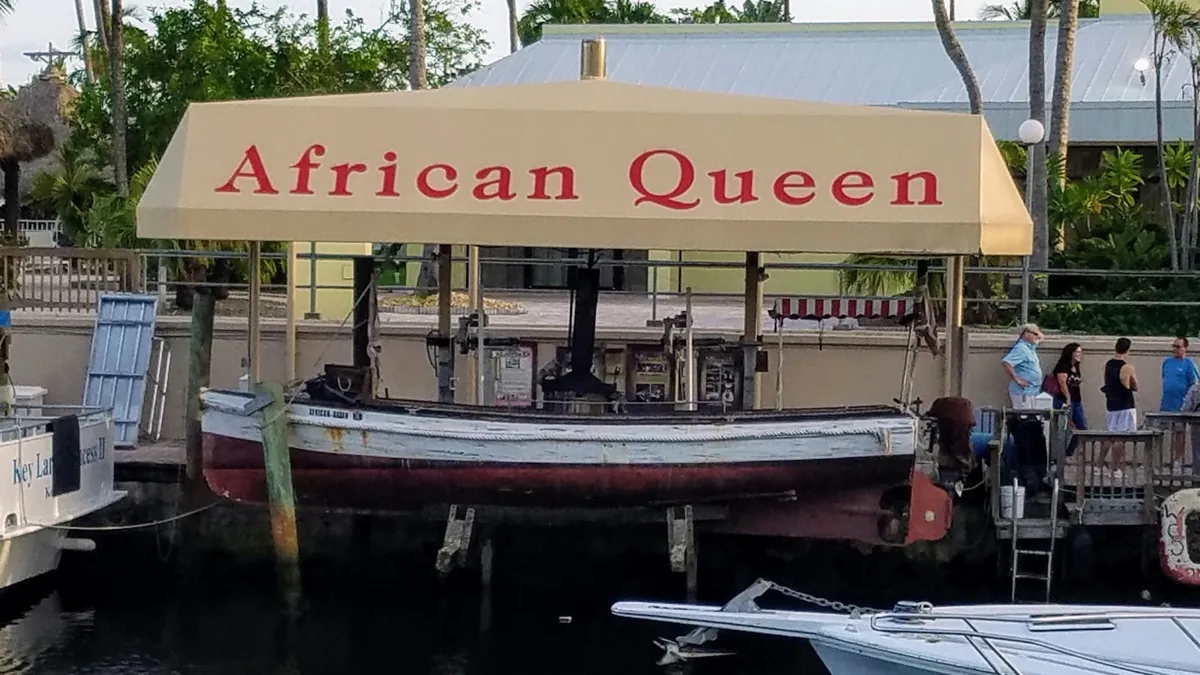
African Queen
The African Queen is a 30-foot steam launch built in 1912 by a British shipyard for the British East Africa Company. She spent decades hauling cargo and passengers on Lake Albert and the Victoria Nile in Uganda. Then John Huston needed a boat for his 1951 film. The African Queen became one of the most recognizable vessels in cinema — Humphrey Bogart won his only Academy Award pulling leeches off his legs on its deck. Katherine Hepburn poured his gin overboard. The boat survived the film, decades of neglect, and multiple restorations. She's currently in Key Largo, Florida, operating as a tourist excursion boat. You can ride on the same vessel that Bogart steered through the papyrus.
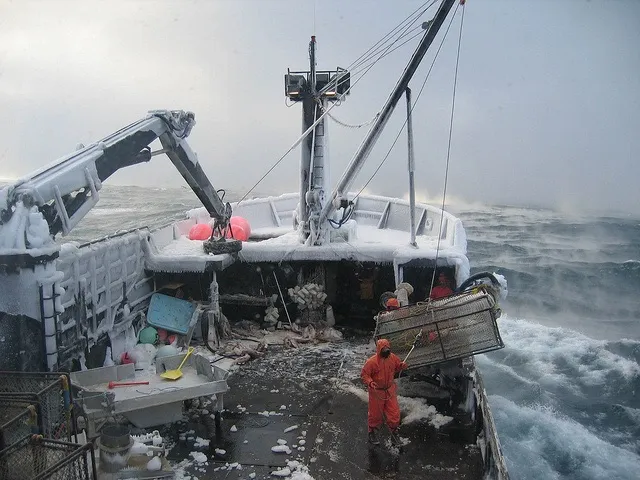
Bering Sea Crab Boat
Before Deadliest Catch premiered on Discovery Channel in 2005, almost nobody outside Alaska knew what Bering Sea crab fishing looked like. Afterward, boats like the Northwestern, Cornelia Marie, and Time Bandit became household names. The show turned a brutal, obscure commercial fishery into reality television. What it got right is that the job is genuinely insane. The Bering Sea king crab and opilio (snow crab) fisheries operate in some of the worst conditions on earth. Winter storms generate 40-foot seas. Wind chill drops to minus 40. Spray freezes on contact with the superstructure, adding tons of topside weight that can capsize a boat if not knocked off. The crews use baseball bats and sledgehammers to break ice off the rails, rigging, and wheelhouse. This is a real thing that happens on a regular basis. The fatality rate for Bering Sea crab fishing has historically been 80 times the national average for workplace deaths. Coast Guard reforms, rationalization of the fishery (switching from a short derby season to individual fishing quotas), and better safety equipment have brought the rate down, but it's still the most dangerous fishery in North America. Between 1990 and 2010, dozens of boats and over a hundred lives were lost. The economics are as extreme as the conditions. Under the old derby system, the entire king crab season was compressed into a few days. Boats raced to catch as much as possible before the season closed. Crews could earn $30,000-$80,000 for a few weeks of work. They could also earn nothing if the catch was poor, or die if the weather turned. The quota system, implemented in 2005, spread the season out and reduced the death rate. It also reduced the gold-rush paydays. Now the money is steadier but lower. The boats still go out in terrible weather because that's where the crab are.
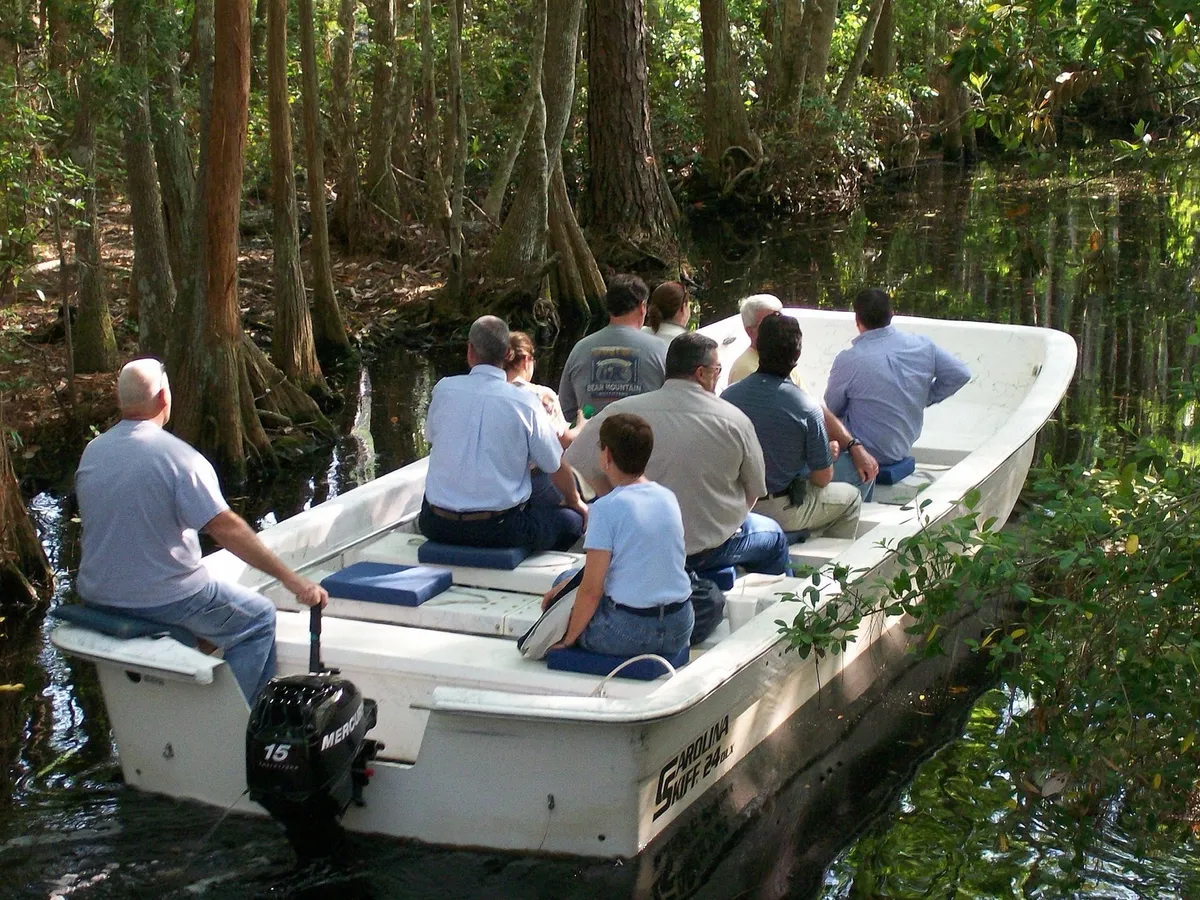
Carolina Skiff
The Carolina Skiff is the most popular boat in America that nobody brags about owning. Founded in 1983 in Wadesboro, North Carolina, the company had one idea: build the cheapest, simplest fiberglass boat possible and sell a ton of them. It worked. Carolina Skiff moves more units than brands costing three times as much. The design philosophy is aggressive simplicity. Flat bottom. No wood anywhere in the hull (wood rots, which is why cheap boats fall apart). One-piece fiberglass layup. Self-bailing cockpit. The boats are sold without engines because the company figured out that letting buyers rig their own outboard kept the sticker price low and the customization high. A bare 17-footer can be had for under $10,000. Rig a used Yamaha on the back and you're fishing for less than a decent used car. People who own Boston Whalers and Grady-Whites look down on Carolina Skiffs. This is documented, quantifiable snobbery. The Carolina Skiff owner's response is universal: they're out fishing right now while the Grady-White is in the shop getting its third trim tab adjusted. The Skiff doesn't ride as well in rough water (flat bottom, remember). It doesn't look as pretty at the dock. It will never be featured in a glossy boat magazine. But it floats in six inches of water, it's nearly impossible to sink, and it costs less than the electronics package on a center console. The Corolla of boats. The Timex of boats. The "it just works" of boats. Carolina Skiff understood something that premium brands never will: most fishing happens in calm water within five miles of the ramp.