Chesapeake Bay Builders
Not a single company but a living tradition. Chesapeake Bay builders are the families and small yards that have been building skipjacks, bugeyes, log canoes, and deadrise workboats for over two centuries. These boats were designed by eye and built by hand, shaped by the specific demands of the Bay: shallow water, oyster tonging, crabbing, and weather that can turn ugly fast. The deadrise workboat is the regional masterpiece, a hull form so perfectly adapted to its environment that it hasn't fundamentally changed in a hundred years.
Heritage
The Chesapeake building tradition is one of the last unbroken lines of vernacular boatbuilding in America. Families like the Krentzs, the Harrisons, and dozens of others passed down hull shapes and construction methods the way other families pass down recipes. The skipjack is the last commercial sailing fleet in North America. The deadrise is still the working boat of the Bay. This tradition didn't come from naval architects with degrees; it came from watermen who knew what worked because their grandfathers knew what worked.
Vessels (4)
Chesapeake Bay Crab Boat
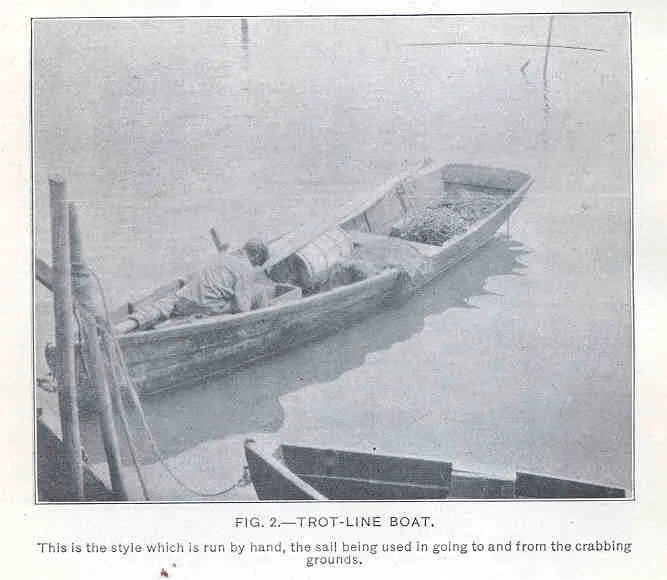
This is not the same boat as the Chesapeake deadrise entry on this site. The deadrise is a hull design. This is the specific working configuration: the boat rigged for crabbing, run by watermen who've been doing this since before anyone was keeping records. Chesapeake Bay blue crab is a $200+ million annual industry in Maryland alone. Every bushel of that crab comes off a boat like this. The boats run trotlines (a baited line laid along the bottom, pulled slowly while the crabber scoops crabs with a net as they surface) or haul crab pots (wire traps baited with chicken necks, fish heads, or commercial bait). The method depends on the waterman, the location, and the regulations. The boats reflect the economics of crabbing. Crab prices fluctuate wildly. A bushel of number ones might bring $200 one week and $120 the next. Fuel costs are fixed. Bait costs are fixed. So the boats are cheap to buy, cheap to run, and rigged for efficiency. Nothing decorative. Everything has a purpose. The culling board stretches across the beam so the crabber can sort the catch: legal males in one basket, too-small in another, females back in the water (in most seasons). The bushel baskets stack in the stern. The season runs roughly April to November. The watermen who run these boats wake up at 3 AM, six days a week, for eight months. They do it because it's what their fathers did and their grandfathers did, and because the Bay is the only office that matters.
Chesapeake Deadrise
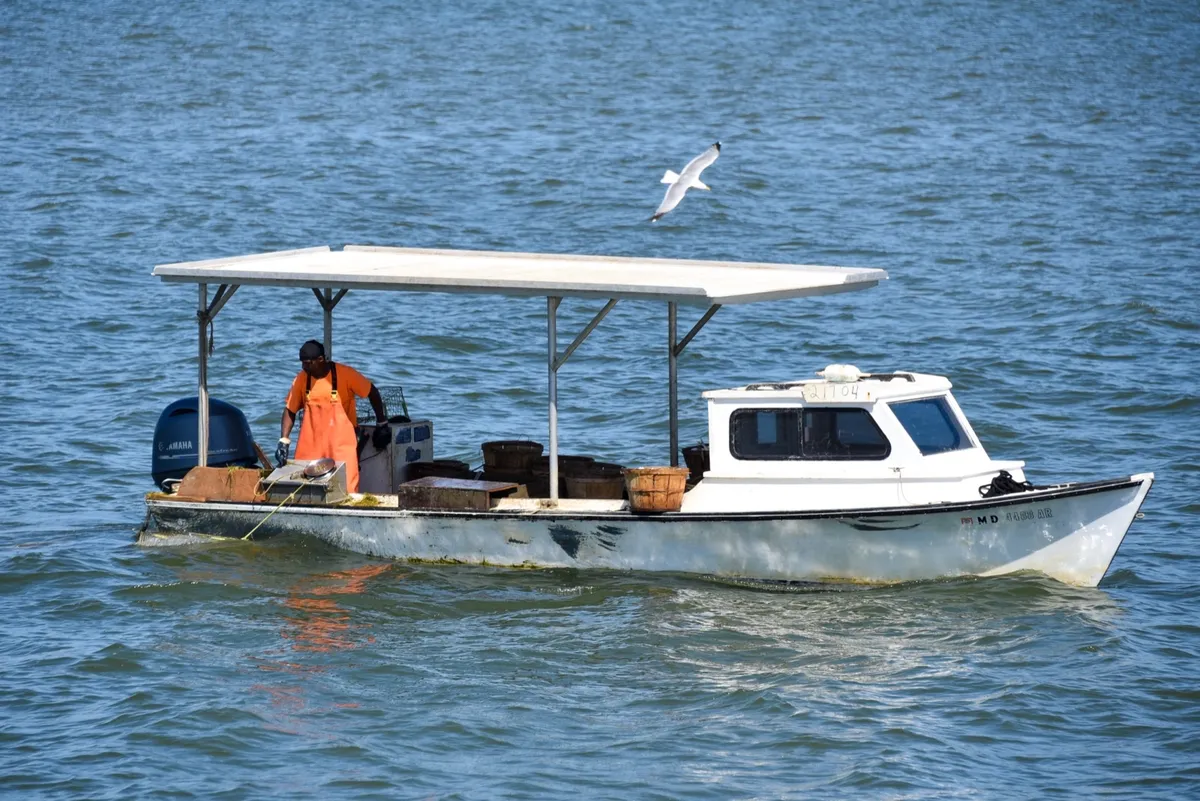
The Chesapeake deadrise is the working truck of the Chesapeake Bay. Every waterman has one. The hull design — a V-bottom that is sharp at the bow for cutting through chop and flattens toward the stern for stability while working — was developed specifically for the Bay's short, steep chop. The name 'deadrise' refers to the angle of the hull bottom: higher deadrise means sharper V, better rough-water ride. These boats crab, fish, oyster, and do everything else that keeps watermen working. They're built by hand in small boatyards on the Eastern Shore, many by builders whose families have been at it for generations.
Chesapeake Skipjack
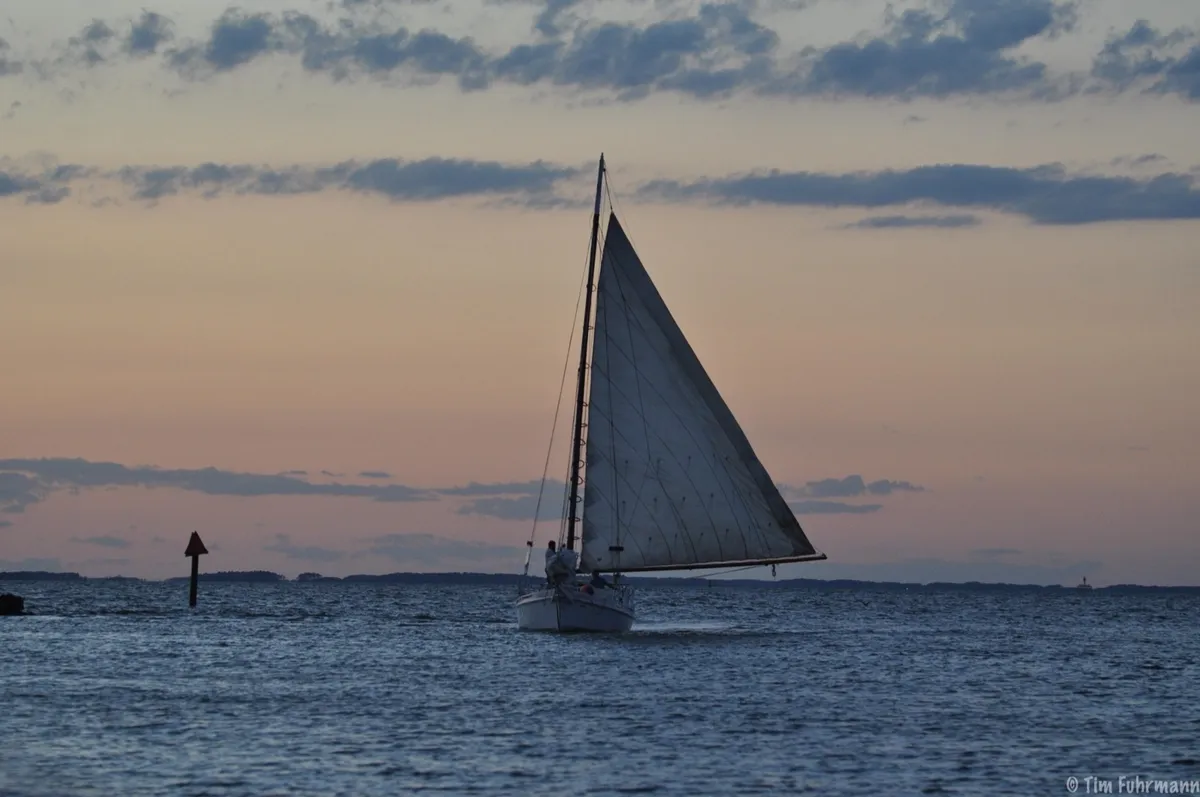
The Chesapeake skipjack is the last commercial sailing vessel in North America. Maryland law requires that oysters be dredged under sail — a conservation measure from 1865 that accidentally preserved an entire way of life. Skipjacks have been working the Chesapeake Bay since the 1890s, and a handful are still dredging oysters today. They're not preserved as museum pieces. They're still doing the job they were built for. The fleet has dwindled from thousands to fewer than thirty, but the ones that remain are working boats sailed by watermen whose families have been oystering for generations.
Lobster Boat (Downeast)
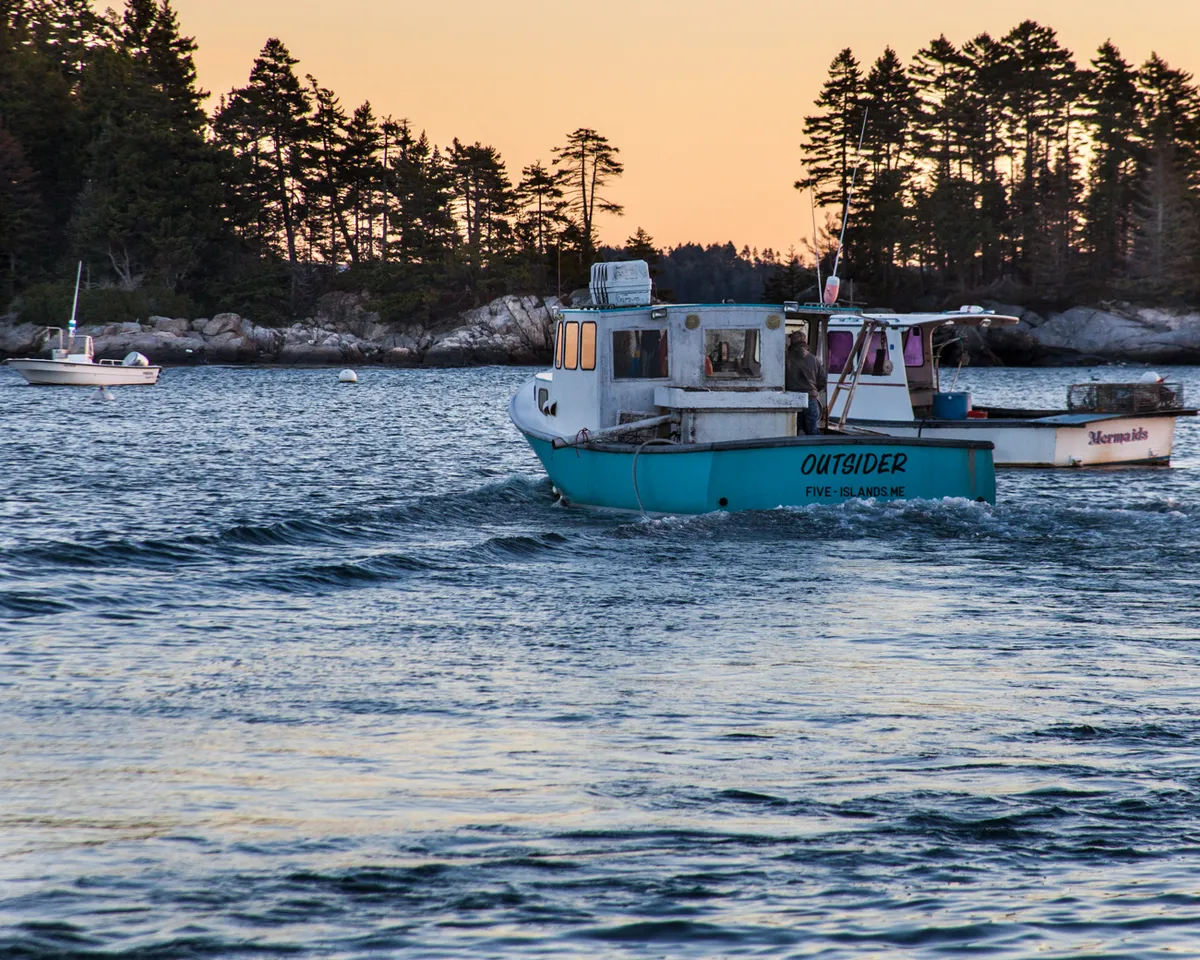
The Downeast lobster boat is the defining vessel of the Maine coast. The hull shape — high bow for cutting through North Atlantic seas, low stern for hauling traps over the side — was perfected over a century of practical use. These boats are owner-operated, often by families who've been lobstering for generations. The economics are simple: you own the boat, you own the traps, you own the license, and you take home what's left after diesel and bait. The lobster boat races held in harbors along the Maine coast every summer are the only motorsport where the competitors use the same boat for work on Monday.