Various New England Builders
Grand Banks dories were built by dozens of small shops in New England and Maritime Canada. Hiram Lowell & Sons of Amesbury, Massachusetts was the largest, producing thousands of dories from the 1830s through the 1960s. Lunenburg, Nova Scotia had its own dory shops serving the Canadian fleet.
Heritage
Dory building was a craft, not an industry. A skilled builder could produce a dory in a day using hand tools and local pine. The design was so standardized that dories from different builders were interchangeable. The Lowell dory shop at its peak employed dozens of builders and shipped dories by rail across the continent.
Vessels (3)
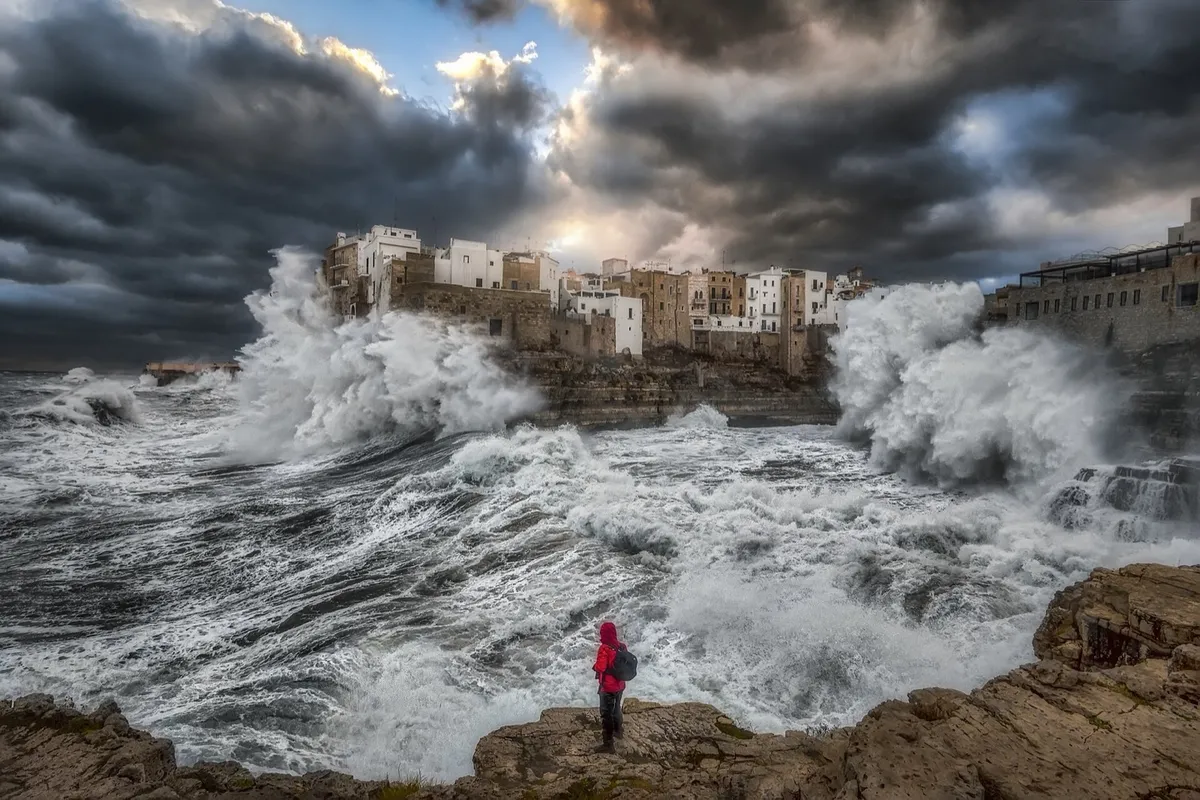
F/V Andrea Gail
The Andrea Gail is the most famous fishing boat in American history, and she's famous for dying. Built in 1978 in Panama City, Florida, by Robert Brown Inc., she was a steel-hulled commercial swordfishing vessel working out of Gloucester, Massachusetts. On October 28, 1991, she left the Grand Banks heading home with a hold full of swordfish and ran straight into the collision of a nor'easter, Hurricane Grace, and a cold front. The meteorologists later called it the "Perfect Storm." Sebastian Junger wrote the book. Wolfgang Petersen made the movie with George Clooney. The Andrea Gail became shorthand for the sea taking what it wants. Six men died. Billy Tyne, the captain. Bobby Shatford, Dale Murphy, Michael "Bugsy" Moran, David Sullivan, and Alfred Pierre. Their names are on the Gloucester Fishermen's Memorial, along with more than 5,000 other names going back centuries. Gloucester has been burying fishermen since before the country existed. The boat was never found. The ocean is 15,000 feet deep where she likely went down. All that was recovered were some fuel drums, her EPIRB (emergency beacon), and a propane tank. The EPIRB had been manually activated, which means someone on the Andrea Gail knew they were in trouble and hit the button. Then nothing. The Andrea Gail represents something that Junger's book captured and the movie mostly missed. Commercial fishing is the most dangerous job in America. The men who do it aren't daredevils. They're working people trying to make a living. The economics of swordfishing in 1991 were brutal: long trips, uncertain catch, perishable product. Tyne pushed further east to the Flemish Cap because the fishing closer to home wasn't producing. The crew followed because that's what crews do. They trusted the captain and the boat and the forecast. The forecast was wrong.
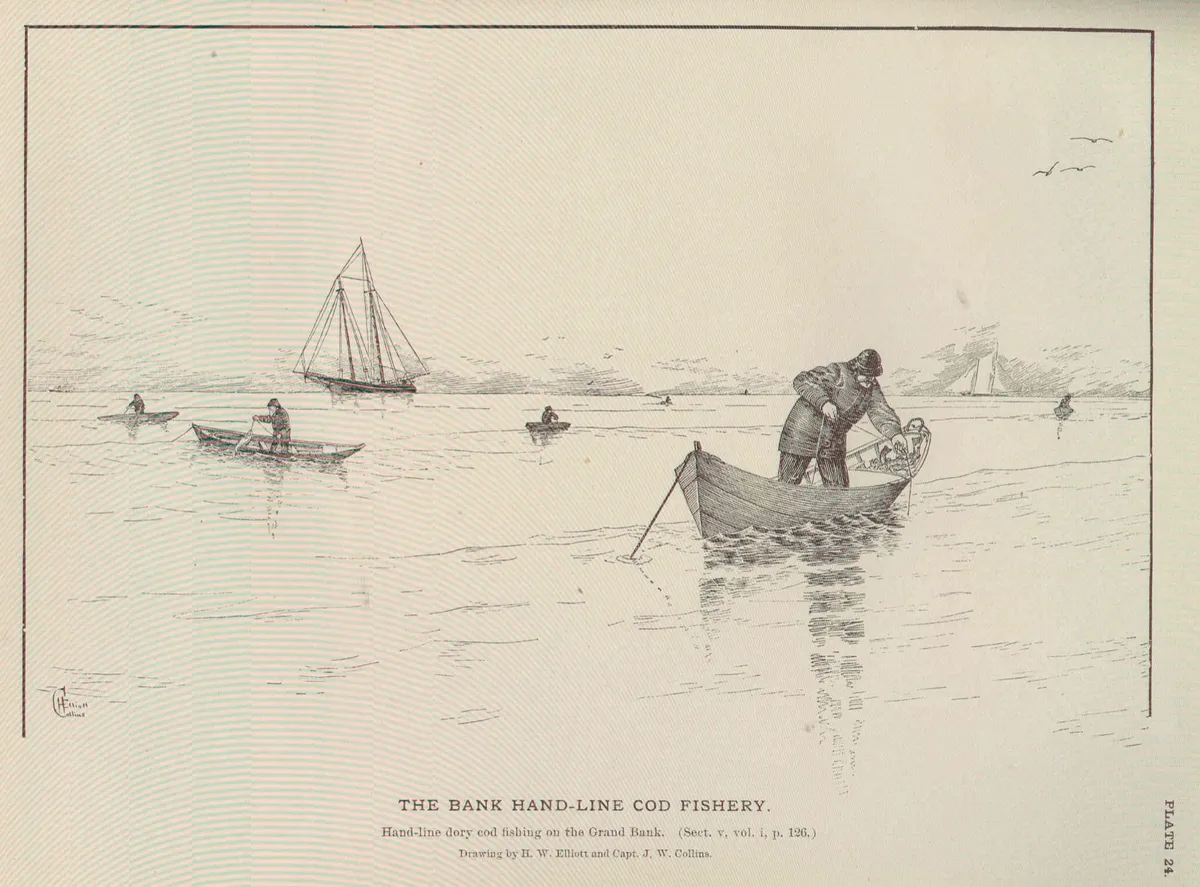
Grand Banks Dory
The Grand Banks dory is the boat that fed the eastern seaboard for a century. Schooners would sail from Gloucester, Lunenburg, and other ports to the Grand Banks of Newfoundland, carrying a dozen dories stacked like nesting cups on deck. At the fishing grounds, each dory was launched with one or two men who fished with handlines and longlines. The dory's genius was its simplicity — flat-bottomed, flared-sided, cheap to build, and almost impossible to capsize when loaded with fish. They were disposable boats used by expendable men. Thousands of dorymen drowned when fog rolled in and they couldn't find their schooner. Thousands more were crushed between vessels, swamped by waves, or simply lost. The Grand Banks fishery built New England. The dory was the instrument.
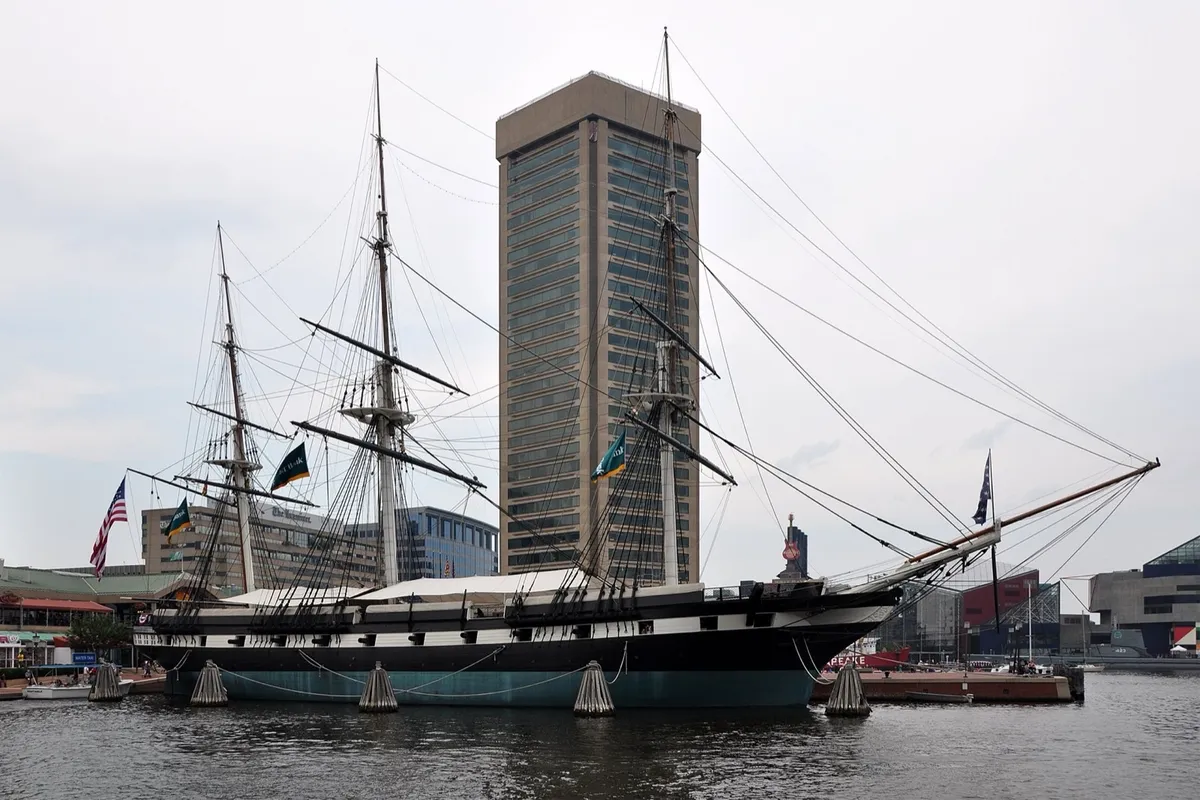
USS Constellation
The USS Constellation in Baltimore Harbor is a beautiful ship with an identity crisis. For decades, the Navy and the city of Baltimore claimed she was the original 1797 frigate, one of the first six frigates authorized by Congress, the first U.S. Navy warship to put to sea, sister to the USS Constitution. That story is almost certainly wrong. The scholarly consensus, led by naval historian Dana Wegner's 1991 study, is that the ship in Baltimore is the 1854 sloop-of-war. A different vessel. The original 1797 frigate was broken up at the Gosport Navy Yard in Norfolk, and the 1854 ship was built using some of the old timbers but on a completely different design. She's a sloop-of-war, not a frigate. Different hull shape, different gun arrangement, different dimensions. The Navy muddied the waters by giving her the same name and claiming continuity for budget reasons. It was cheaper to "rebuild" an existing ship than to fund a new one from Congress. This matters because the truth is more interesting than the myth. The 1854 Constellation served in the Africa Squadron, intercepting slave ships during the illegal transatlantic slave trade. In 1858, she captured the slaver Cora with 705 enslaved Africans aboard. In 1860, she captured three more ships. These were real operations with real consequences. The people freed from those ships were taken to Liberia. Whether that constituted rescue is its own complicated question. She served as a training ship at the Naval Academy during the Civil War, then spent decades in various roles before being brought to Baltimore in 1955 as a museum ship. The restoration work assumed she was the 1797 vessel and added frigate-style gun ports that the 1854 sloop never had. So the ship you see today is a 19th-century sloop wearing an 18th-century frigate costume. Baltimore has largely stopped making the 1797 claim, though the debate still generates heat. The ship is worth visiting on her own merits. She's the last surviving Civil War-era naval vessel and one of the oldest ships in the Navy's inventory, even without the frigate pedigree.