Scott & Linton

Scotland Est. 1868 Closed 1870

Scott & Linton existed for barely two years, built one famous ship, and went bankrupt before finishing her. The firm was established in Dumbarton on the River Leven by Hercules Linton and John Scott in 1868, specifically to bid on a tea clipper contract from shipowner John Willis. They won the contract for Cutty Sark with an aggressively low bid of 16,150 pounds, a price that was almost certainly below cost. Linton designed a composite clipper with an iron frame and wooden planking, incorporating hull lines that were radical for the time. The design was fast but the finances were impossible. Scott & Linton ran out of money before the ship was complete, and the contract was transferred to William Denny and Brothers, also of Dumbarton, who finished the vessel and launched her in 1869. The firm dissolved shortly after, destroyed by the same contract that made them immortal. Hercules Linton spent the rest of his career in relative obscurity, working as a surveyor and naval architect but never again running his own yard.

Heritage

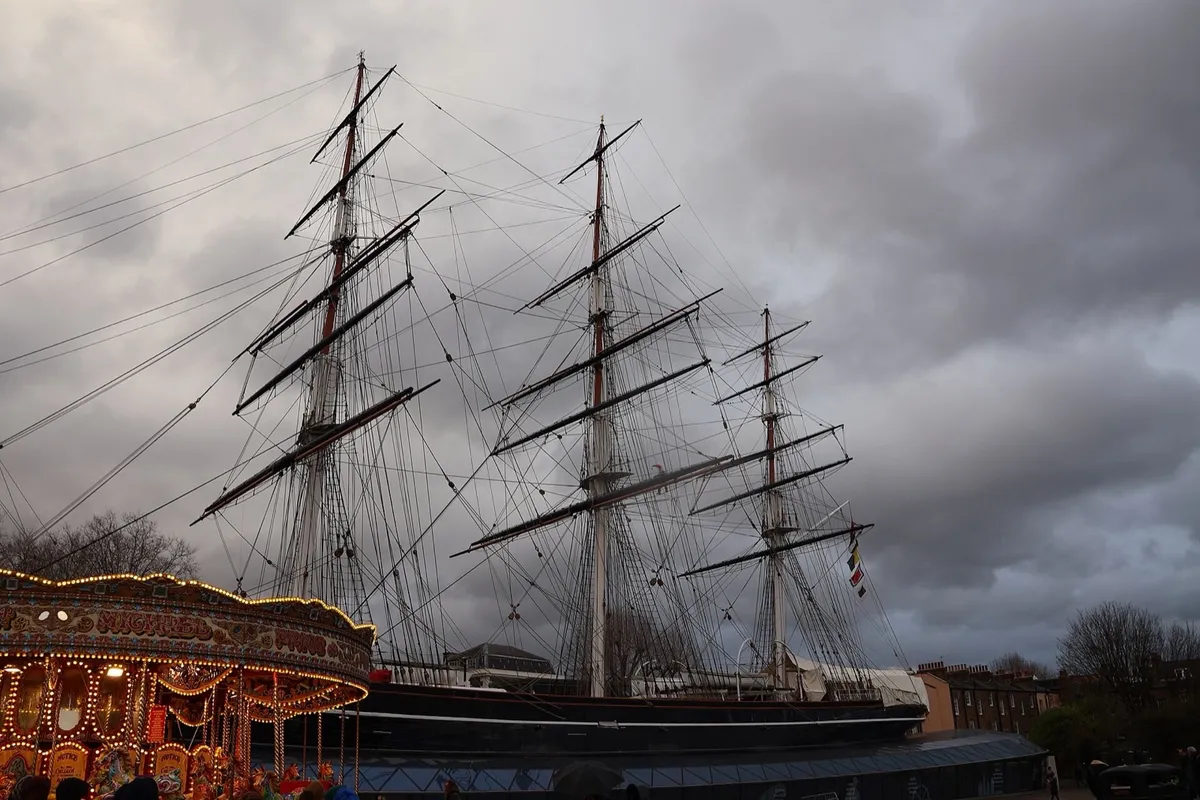
Scott & Linton is the most extreme case of a builder's reputation resting on a single vessel. Cutty Sark survived to become the last intact clipper ship, preserved in dry dock at Greenwich since 1954. Every visitor who walks under that hull is looking at Hercules Linton's design work, even if Denny's men drove the final fastenings. The story is a cautionary tale about underbidding that resonates in every era of shipbuilding. Linton designed a masterpiece and priced it to win the contract, not to survive building it. The ship endured. The company didn't.
Vessels (1)

Cutty Sark

Cutty Sark

The Cutty Sark was born obsolete. She launched in 1869, the same year the Suez Canal opened and killed the tea clipper trade in a single stroke. Steam ships could use the canal. Sailing ships couldn't. The entire economic logic that justified building a vessel optimized for speed from China to London evaporated before she'd completed her first season. That's either terrible timing or a fitting monument to an era that was already dead. She raced in the tea trade anyway for a few seasons, most famously against the clipper Thermopylae in 1872. Cutty Sark was winning when she lost her rudder in a gale and had to jury-rig a replacement from spare spars. She still finished the voyage, arriving in London only a week behind Thermopylae. That tells you everything about the ship and the men who sailed her. Her second life was in the Australian wool trade, and this is where she finally proved herself. Under Captain Richard Woodget (1885-1895), she became the fastest wool clipper afloat, consistently making the passage from Sydney to London in under 80 days. She'd load over 5,000 bales of wool, drive south into the roaring forties, and run her easting down at speeds that left every other sailing vessel behind. Woodget was the captain she deserved. The name comes from Robert Burns's 1791 poem "Tam o' Shanter." Tam, drunk and riding home, watches witches dance and shouts in admiration at a young witch wearing a cutty sark, a short nightgown. She chases him. He barely escapes. The ship's figurehead is the witch Nannie, reaching forward with arm outstretched. It's a perfect name for a ship that was always chasing something just out of reach. After the wool trade declined, she was sold to a Portuguese company, renamed Ferreira, and spent decades hauling cargo in the South Atlantic. A retired sea captain named Wilfred Dowman found her in a Portuguese port in 1922, recognized what she was, bought her, and brought her home to England. Without Dowman, she would have been broken up. She is the only clipper ship that survives.

1869-1954 · clipper-ship