Kaiser Shipyards
Henry Kaiser had never built a ship before the war. Didn't matter. He applied industrial mass production to shipbuilding and cranked out Liberty Ships and escort carriers faster than the Germans could sink them. At peak, Kaiser's yards in Richmond, California and Portland, Oregon were launching a new ship every few days. The SS Robert E. Peary was assembled in four days, fifteen hours.
Heritage
Kaiser didn't just build ships, he reinvented how ships got built. Prefabricated sections, welding instead of riveting, round-the-clock shifts, and a workforce that included thousands of women and minorities who'd never seen a shipyard before. The Liberty Ship wasn't pretty and wasn't fast, but 2,710 of them kept the Atlantic supply lines alive. Kaiser's methods became the template for modern shipbuilding worldwide.
Vessels (2)
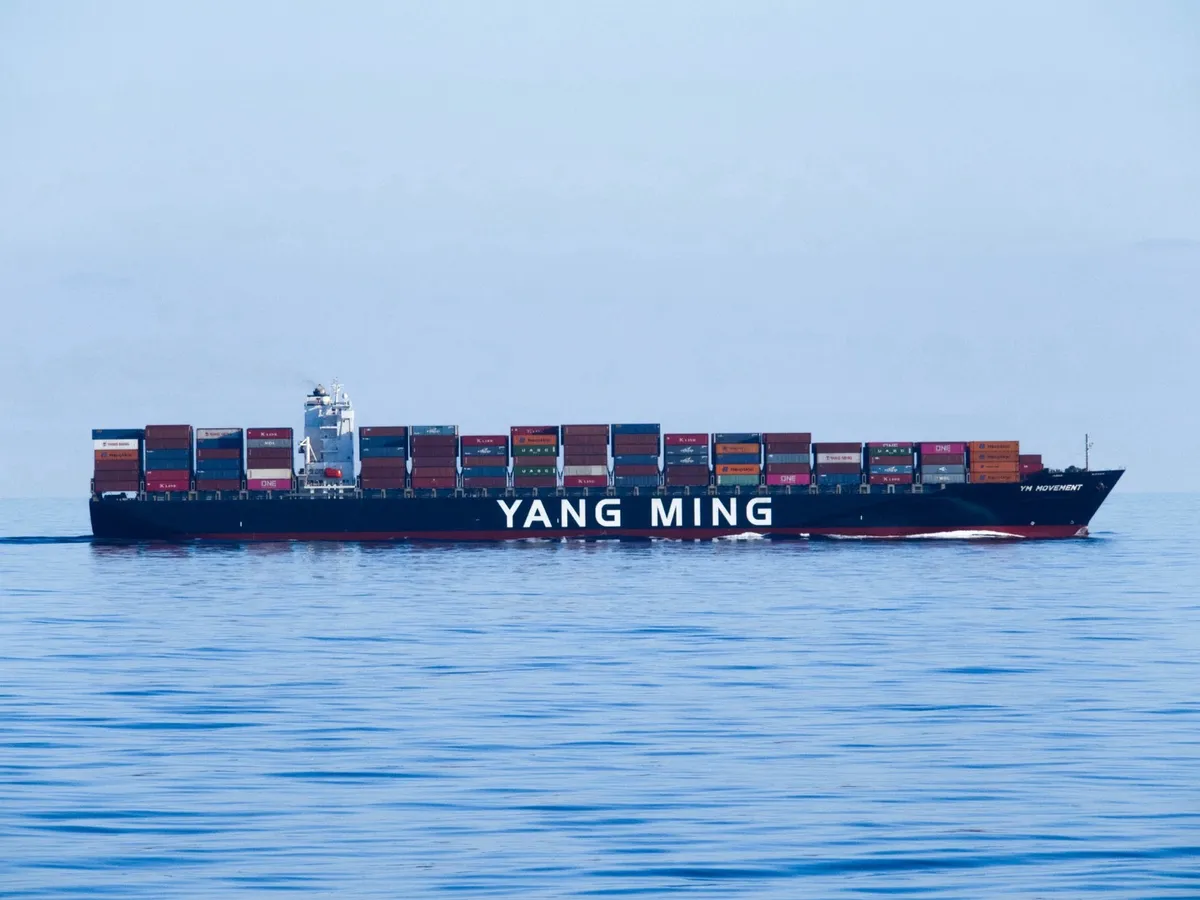
Container Ship
The container ship is the most consequential vessel of the modern era. Ninety percent of everything you own arrived on one. Before Malcom McLean standardized the shipping container in 1956, loading a cargo ship took weeks of manual labor. After containerization, the same job took hours. The economics cascaded: shipping costs dropped 95 percent, global trade exploded, and manufacturing moved to wherever labor was cheapest because transportation was essentially free. The modern container ship carries 24,000 containers on a hull longer than four football fields, operated by a crew of twenty. The disparity between the scale of the machine and the number of people running it is almost absurd.
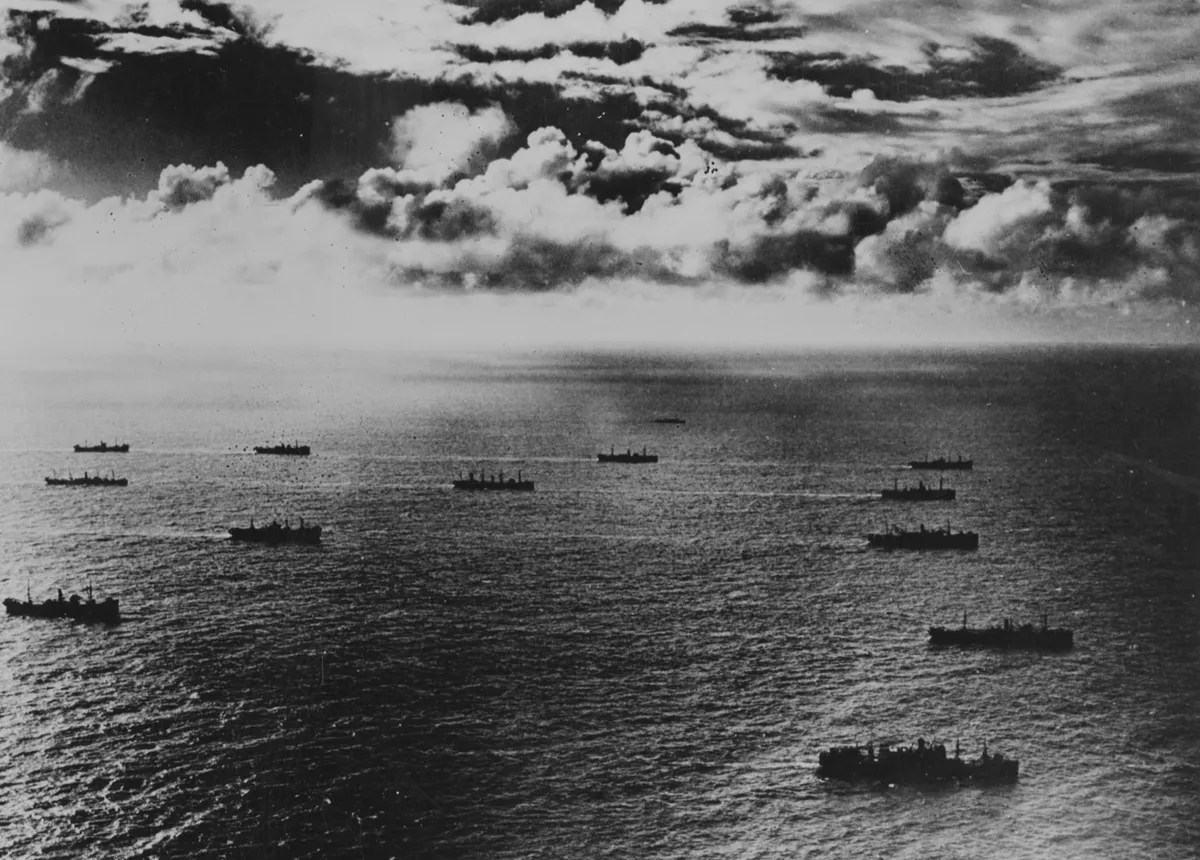
Liberty Ship (EC2-S-C1)
The Liberty Ship was the disposable lighter of maritime warfare. President Roosevelt called them 'ugly ducklings.' They were designed to be built fast, loaded fast, and sunk fast — with the expectation that America could build them faster than U-boats could sink them. That bet paid off. 2,710 Liberty Ships were built in four years. Kaiser's Richmond shipyard assembled SS Robert E. Peary in 4 days, 15 hours, and 29 minutes as a publicity stunt. The ships won the war of logistics. The merchant mariners who sailed them had the highest casualty rate of any U.S. service.