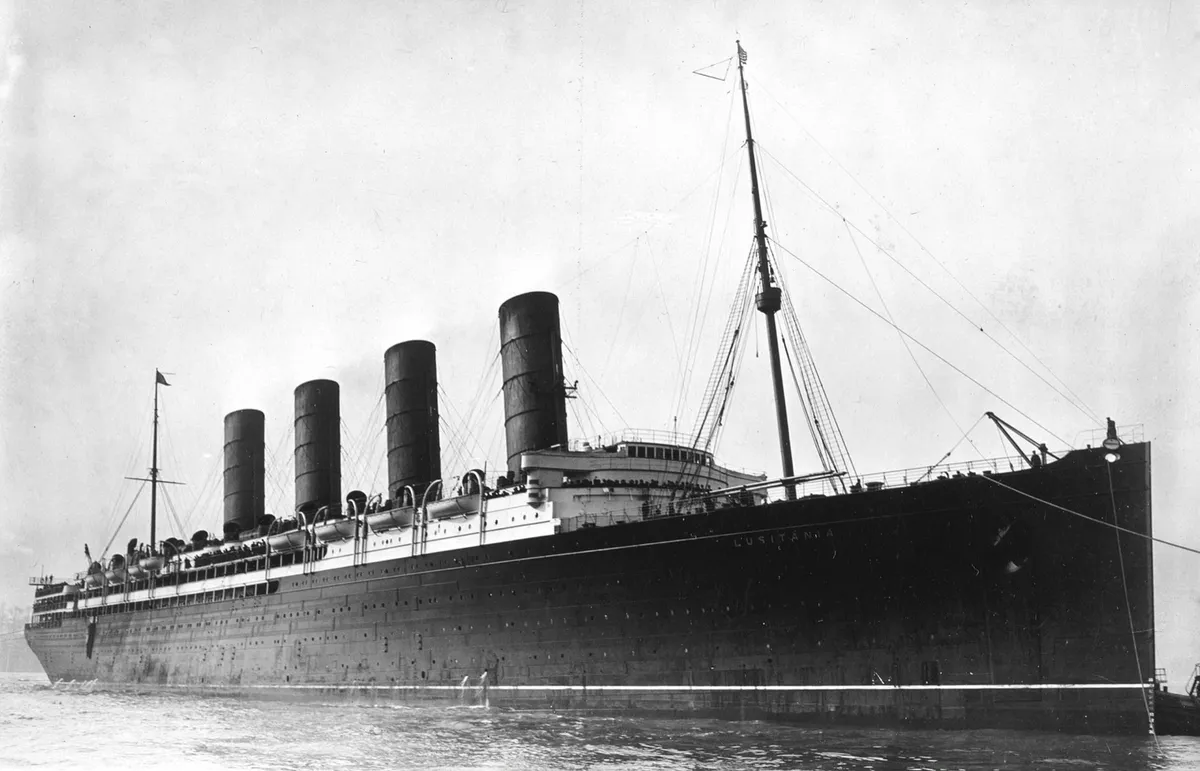
John Brown & Company
John Brown & Company at Clydebank was one of the great shipyards of the industrial age. Originally founded as J. & G. Thomson in 1851, the yard took the John Brown name in 1899 after acquisition by the Sheffield steelmaker. The combination of steelmaking and shipbuilding under one roof gave Brown's a vertically integrated advantage that showed in their output. The yard's warship pedigree was formidable. HMS Hood, the largest warship in the world when launched in 1918, was a Brown's ship. So were HMS Repulse and HMS Barham. But the yard is best remembered for the great Cunard liners: Lusitania, Queen Mary, and Queen Elizabeth. Queen Mary's construction during the Depression became a national project. Work was suspended for two years when Cunard ran out of money, and the half-built hull sat on the slipway as a symbol of economic collapse until a government loan got the rivets going again. The yard closed in 1968, part of the rationalization that gutted Clydeside shipbuilding. Upper Clyde Shipbuilders took over briefly before its own collapse. The site is now a commercial development.
Heritage
Clydebank and John Brown's were the same thing for over a century. The town existed because the yard existed. At peak employment, Brown's and its subcontractors employed most of the working population. The launch of a major vessel was a civic event that shut down the town. The Clyde shipbuilding tradition that Brown's represented was a specific culture: skilled trades passed through families, fierce union loyalty, and a pride in craft that bordered on bloody-mindedness. When Upper Clyde Shipbuilders faced closure in 1971, the workforce staged a work-in rather than a strike. They kept building ships the government said nobody wanted. That defiance was pure Clydeside, and its roots ran straight through Brown's slipways.