Ingalls Shipbuilding
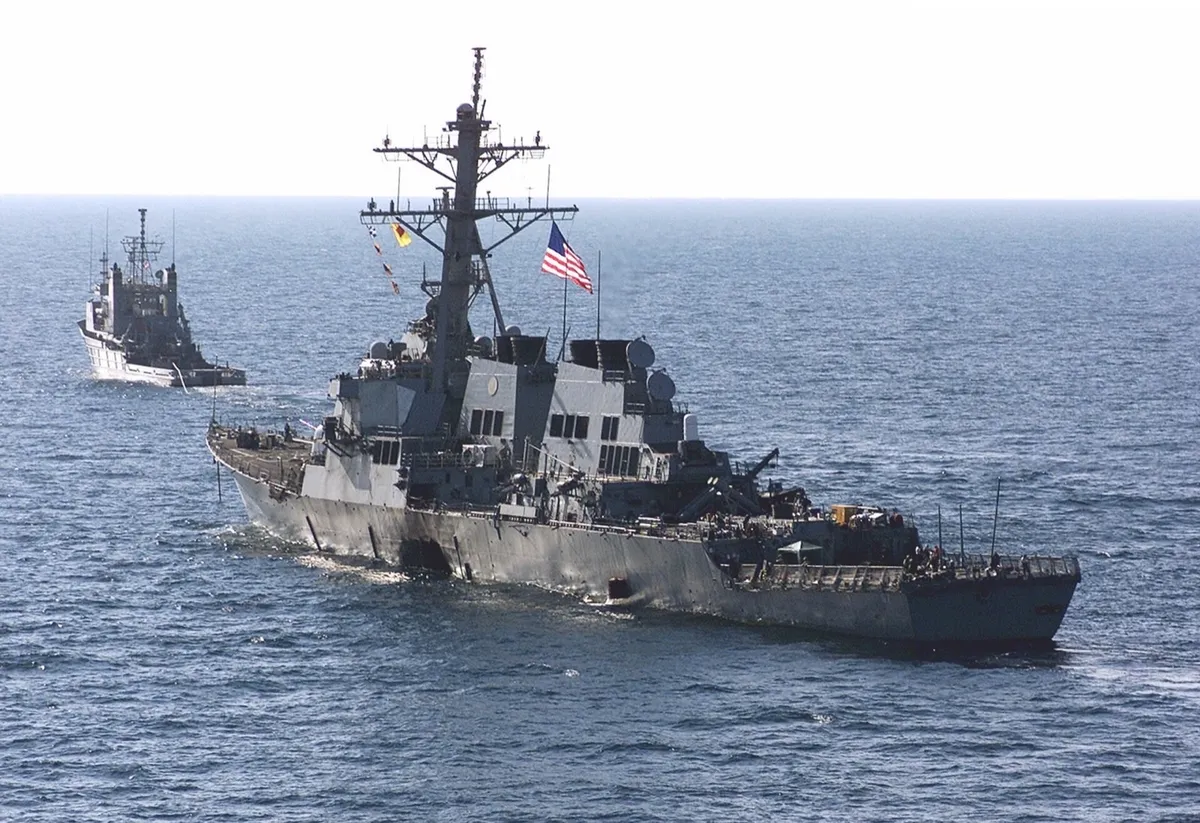
Ingalls Shipbuilding in Pascagoula, Mississippi, is one of only two shipyards in the United States building major surface combatants for the Navy (the other is Bath Iron Works in Maine). Now a division of Huntington Ingalls Industries (HII), the yard produces Arleigh Burke-class guided missile destroyers, San Antonio-class amphibious transport docks, America-class amphibious assault ships, and National Security Cutters for the Coast Guard. The yard was founded by Robert Ingalls in 1938 and expanded massively during World War II. Postwar, Ingalls positioned itself as a builder of complex warships, investing in modular construction techniques that allowed sections of a ship to be built simultaneously in different parts of the yard and then assembled on the building ways. This approach reduced construction time and became the standard for modern naval shipbuilding. Ingalls built USS Cole (DDG-67), the Arleigh Burke-class destroyer attacked by suicide bombers in Aden, Yemen, in October 2000. The ship was repaired at Ingalls and returned to service, a fact that says as much about the yard's capability as about the ship's construction.
Heritage
Ingalls is a cornerstone of both the U.S. defense industrial base and the Mississippi Gulf Coast economy. The yard employs over 11,000 workers and is the largest industrial employer in the state. Pascagoula's identity is tied to the shipyard in the same way Belfast's was tied to Harland and Wolff. The yard's survival through Hurricane Katrina in 2005, when storm surge flooded the facility and destroyed equipment, demonstrated institutional resilience. Ingalls rebuilt and resumed production without losing a single ship contract. In an era when American shipbuilding capacity has contracted to a handful of yards, Ingalls remains essential to national defense.