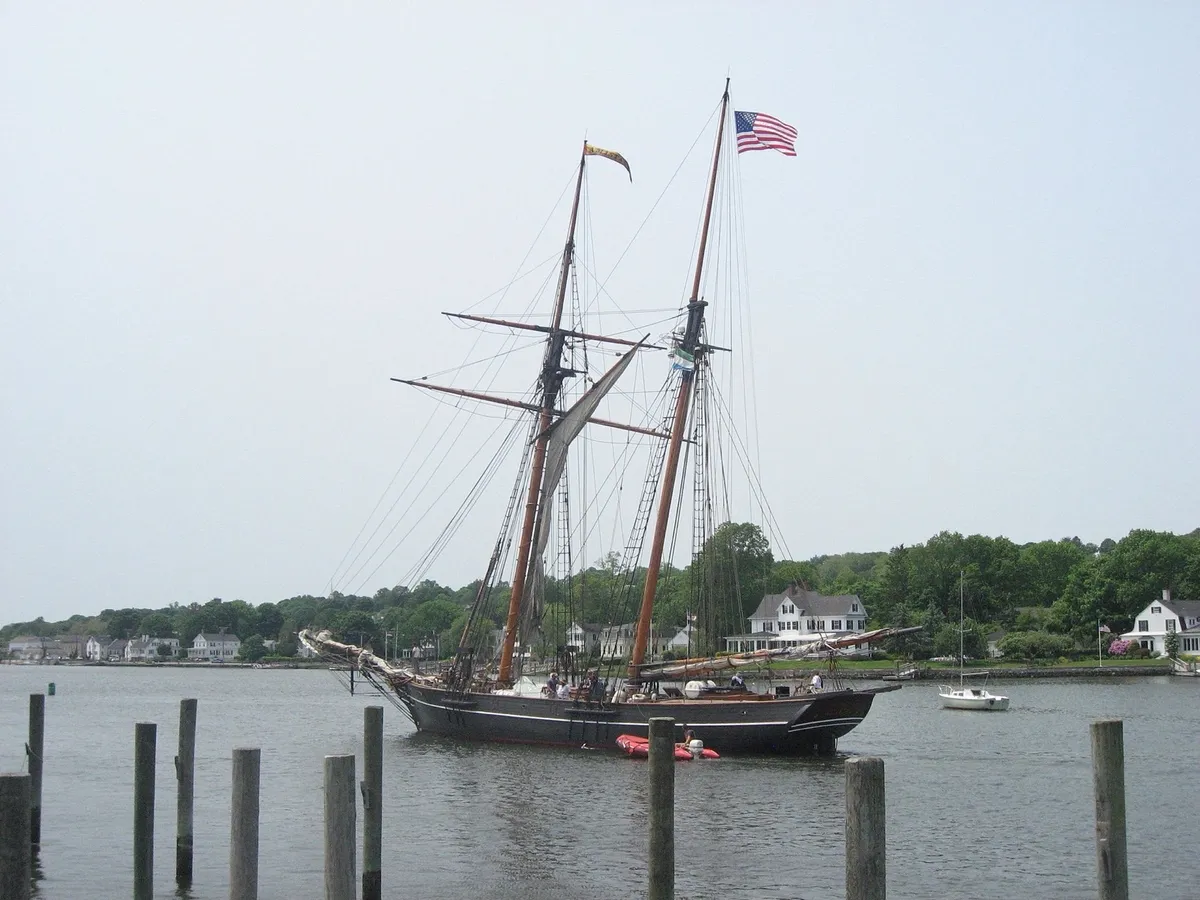
Havana Shipyards
The shipyards of Havana harbor were not a single enterprise but a collection of yards that built and repaired vessels throughout the Spanish colonial period. Havana's position at the nexus of Caribbean trade routes made it a natural center for shipbuilding, and the island's tropical hardwoods provided materials that European builders couldn't match. Cuban mahogany, cedar, and other dense hardwoods produced hulls that resisted rot and marine borers far longer than European oak. Among the vessels built in Havana's yards was La Amistad, a schooner constructed for the coastal and Caribbean trade. In 1839, enslaved Africans aboard La Amistad revolted and seized the ship, leading to a legal case that reached the U.S. Supreme Court and became a landmark in the abolitionist movement. The ship herself was a standard product of the Cuban yards: a fast, weatherly schooner built for moving cargo, including human cargo, around the Caribbean. Havana's shipbuilding tradition declined with Spanish colonial power, and the yards that once served the empire's Caribbean fleet have long since disappeared under the modern city.
Heritage
The Havana shipyards represent the maritime infrastructure of colonialism. These yards built the vessels that connected Spain's Caribbean empire: merchant ships, naval vessels, and the smaller craft that moved goods and enslaved people between islands. The labor that built these ships was itself often enslaved or coerced. La Amistad's construction in a Havana yard is a bitter irony: a ship built in a colonial slave economy became the vessel whose revolt challenged that economy's legal foundations. The Supreme Court case that followed the uprising, argued by former President John Quincy Adams, affirmed that the captives were free people kidnapped in violation of international law. The ship that carried them to that verdict was just another product of Cuba's anonymous waterfront yards.