Harland and Wolff
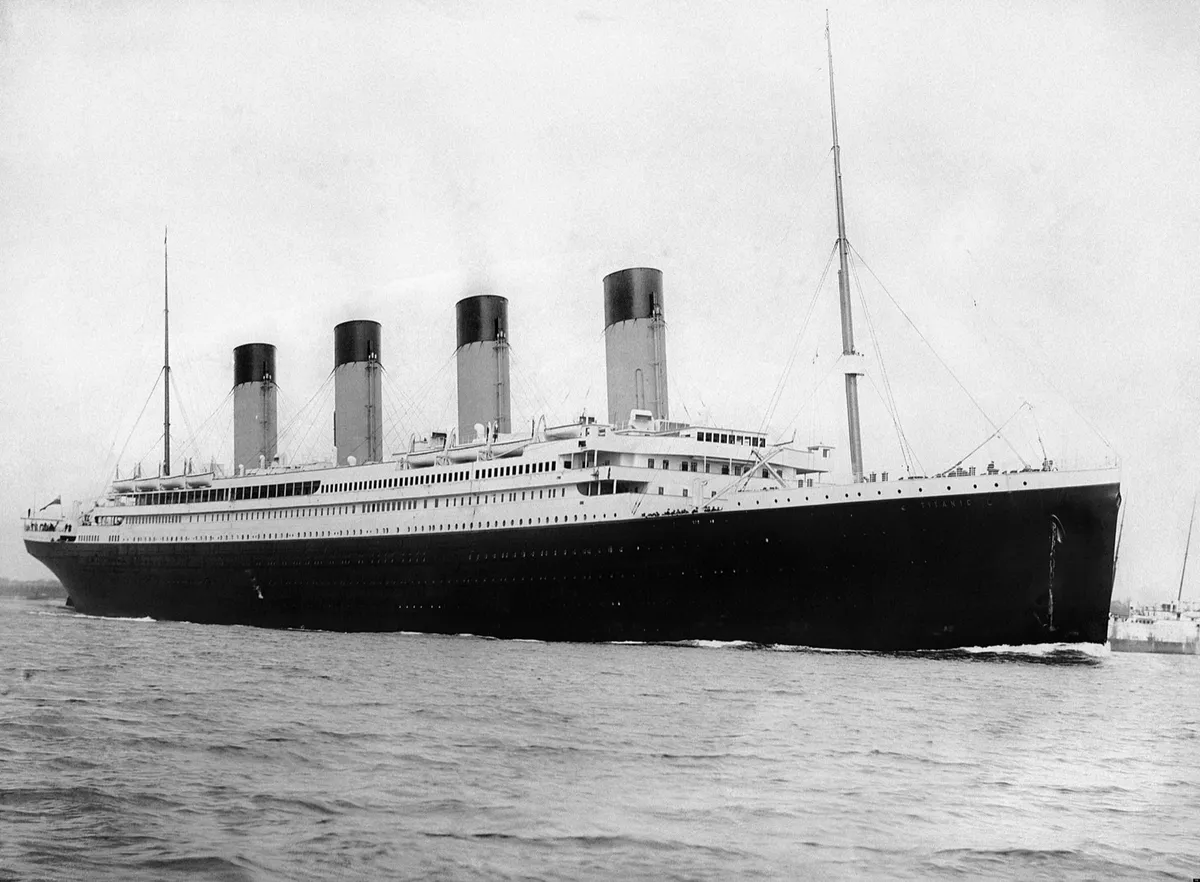
Harland and Wolff built the most famous ship in history, and that fact has defined the yard ever since. Founded in Belfast in 1861 by Edward Harland and Gustav Wolff, the shipyard became the primary builder for the White Star Line, producing Olympic, Titanic, and Britannic in rapid succession between 1908 and 1914. Their approach was distinctive: massive vessels built to a standard of luxury that prioritized internal volume and passenger comfort over raw speed, a direct counter to Cunard's philosophy. Beyond the White Star trio, Harland and Wolff built warships, tankers, and cargo vessels through two world wars. The yard produced aircraft carriers and corvettes during WWII. In the postwar era, they built SS Canberra for P&O, one of the last great British ocean liners, which would later serve as a troopship in the Falklands War. The twin gantry cranes Samson and Goliath, erected in the 1960s and 1970s, became Belfast's most recognizable landmarks. The company entered administration in 2019, a slow decline that tracked the broader collapse of British shipbuilding. The site is now partly a tourist attraction centered on the Titanic legacy.
Heritage
Harland and Wolff is inseparable from Belfast's identity. The yard employed thousands at its peak, and the sectarian dynamics of its workforce mirrored Northern Ireland's broader divisions. The Titanic Quarter redevelopment and museum have turned the shipyard's most famous disaster into the city's primary tourist draw, a transformation that would have baffled the men who built the ship. The yard's institutional knowledge, built over more than a century of continuous shipbuilding, dissipated rapidly after the 2019 bankruptcy. What remains is the infrastructure, the cranes, and the complicated legacy of a company that built extraordinary ships but will always be defined by one that sank.