Great Lakes Engineering Works
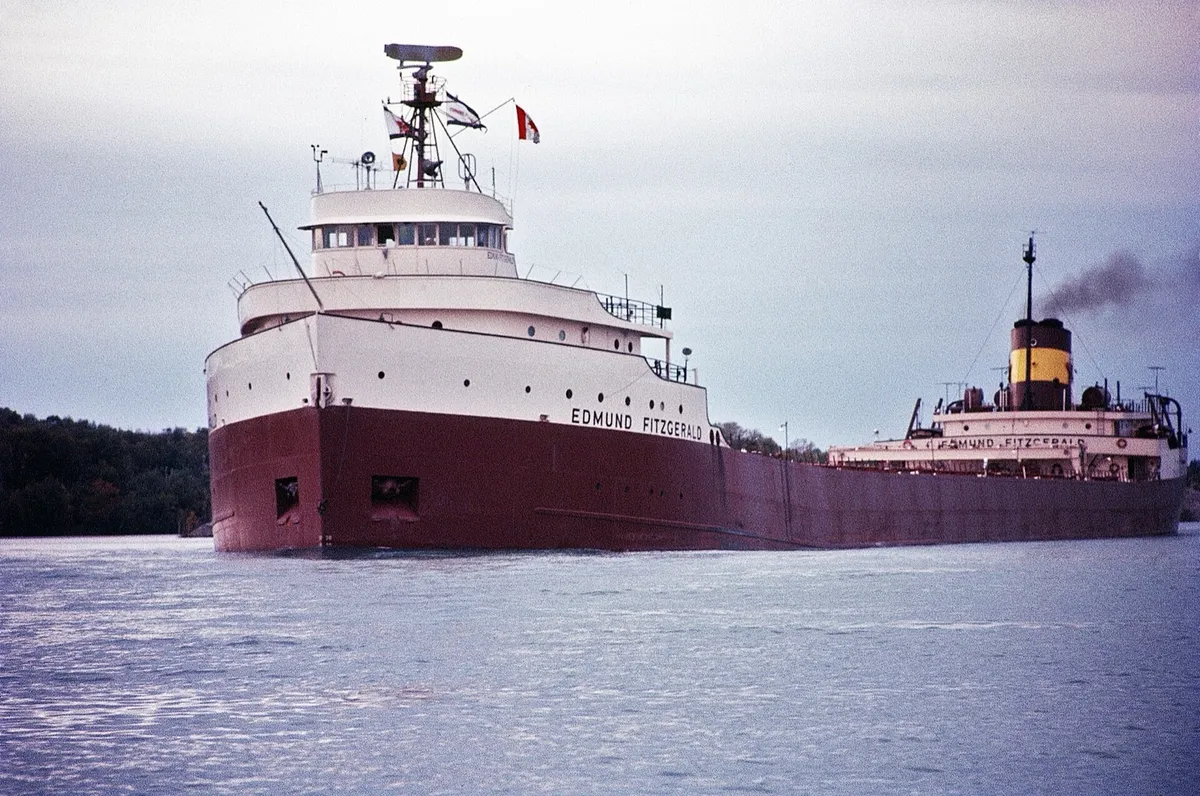
Great Lakes Engineering Works operated out of River Rouge, Michigan, building vessels designed for a specific and demanding environment: the Great Lakes inland seas. The yard specialized in bulk carriers, the long, flat-decked freighters that haul iron ore, coal, limestone, and grain through the locks and channels connecting Lakes Superior, Huron, Michigan, Erie, and Ontario. Great Lakes ships are constrained by the Poe Lock at Sault Ste. Marie and the Welland Canal locks between Erie and Ontario. Every vessel is designed around these dimensional limits, producing the distinctive long, narrow profile of a laker. Great Lakes Engineering understood these constraints intimately and built ships optimized for maximum cargo capacity within them. The yard's most famous product is SS Edmund Fitzgerald, launched in 1958 as the largest ship on the Great Lakes. At 729 feet, Fitzgerald was a workhorse of the iron ore trade, hauling taconite from the mines of Minnesota to the steel mills of the lower lakes. The yard closed in the 1960s as Great Lakes shipbuilding consolidated into fewer, larger operations.
Heritage
Great Lakes shipbuilding is its own tradition, distinct from saltwater construction. The ships are designed for freshwater, for specific lock dimensions, for the short brutal storms of the lakes rather than the long swells of the ocean. Great Lakes Engineering was one of the premier practitioners of this specialized craft. Edmund Fitzgerald's sinking in a Lake Superior storm on November 10, 1975, with all 29 crew lost, made her the most famous shipwreck on the Great Lakes. Gordon Lightfoot's ballad ensured that a generation of people who'd never seen a laker knew her name. The ship Great Lakes Engineering built in 1958 became, in death, the vessel that defined an entire maritime tradition for the American public.