Daewoo Shipbuilding & Marine Engineering (DSME)

South Korea Est. 1973

One of the Big Three Korean shipbuilders, based at the massive Okpo shipyard on Geoje Island. DSME built the Maersk Triple E-class, the largest container ships in the world when they launched. The yard can build ships that most facilities on earth physically cannot accommodate. At peak capacity, Okpo was launching a new vessel every four days.

Heritage

DSME rose out of South Korea's industrial transformation in the 1970s, when the country bet its future on heavy industry and won. The Okpo yard became one of the largest shipbuilding facilities on the planet, turning out supertankers, LNG carriers, container ships, and offshore platforms. By the 2000s, South Korea was building more ships than any other country. DSME merged with Hanwha Ocean in 2024, but the yard and its capabilities remain. The Big Three (DSME, Hyundai Heavy Industries, Samsung Heavy Industries) collectively build roughly a third of the world's commercial tonnage.
Vessels (1)

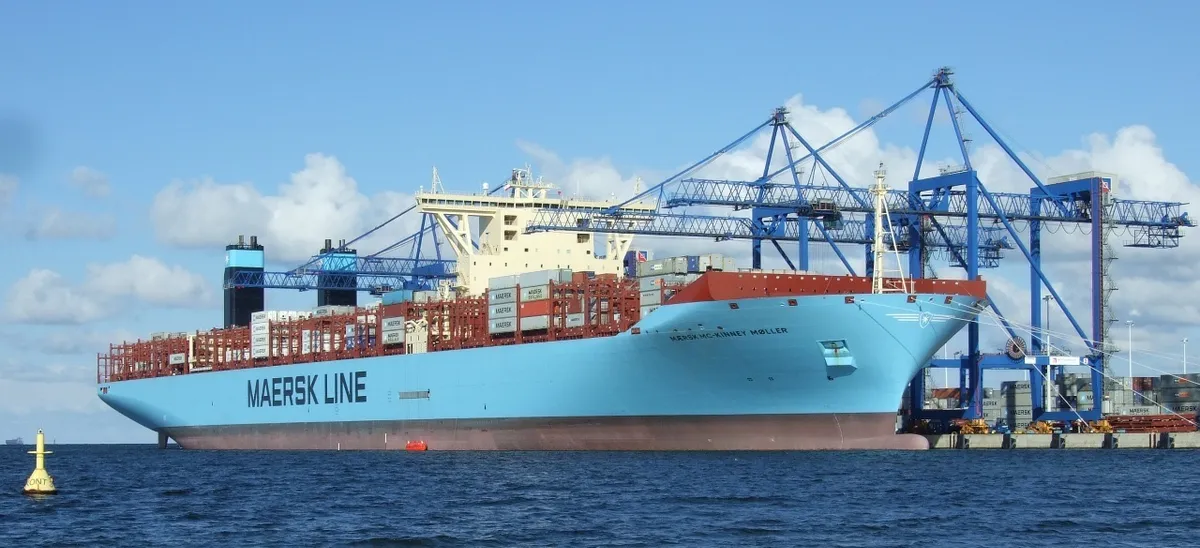
Maersk Triple E-class

Maersk Triple E-class

The Triple E-class is the industrial revolution's final form. A quarter-mile of steel carrying $1 billion in cargo, run by 22 people. When the first one, Maersk Mc-Kinney Moller, launched in 2013, she was the largest container ship ever built. The name stands for Economy of scale, Energy efficiency, Environmentally improved. Maersk wasn't being poetic. They were being accurate. These ships rewired global infrastructure just by existing. The channels into the Port of Baltimore had to be dredged deeper. The Bayonne Bridge in New Jersey had to be raised so they could pass underneath. The Francis Scott Key Bridge replacement (after the Dali brought down the original in 2024) had to account for these monsters in its design. When a single ship class forces a country to rebuild its bridges and harbors, that's not a vessel. That's a geological event. If you live near the Chesapeake Bay, you've seen them. They're the ships on the horizon that look wrong because your brain can't reconcile the scale. A quarter-mile long, stacked fourteen containers high on deck, gliding at 23 knots with the grace of something that has no business being graceful. The wake alone is a hazard to small craft. The economics are staggering. One Triple E can carry 18,340 containers. Each container holds roughly $50,000 in goods. Do the math and you get close to a billion dollars of cargo per voyage. The shipping cost per container? About $500 across the Pacific. That's why your TV costs $300 instead of $3,000. That's why global manufacturing works. Twenty ships were built in the class, all at Daewoo's Okpo yard in South Korea. They represent the point where container shipping stopped being about boats and became pure logistics infrastructure that happens to float.

2013-present · cargo-transport