Bombardier Recreational Products (BRP)
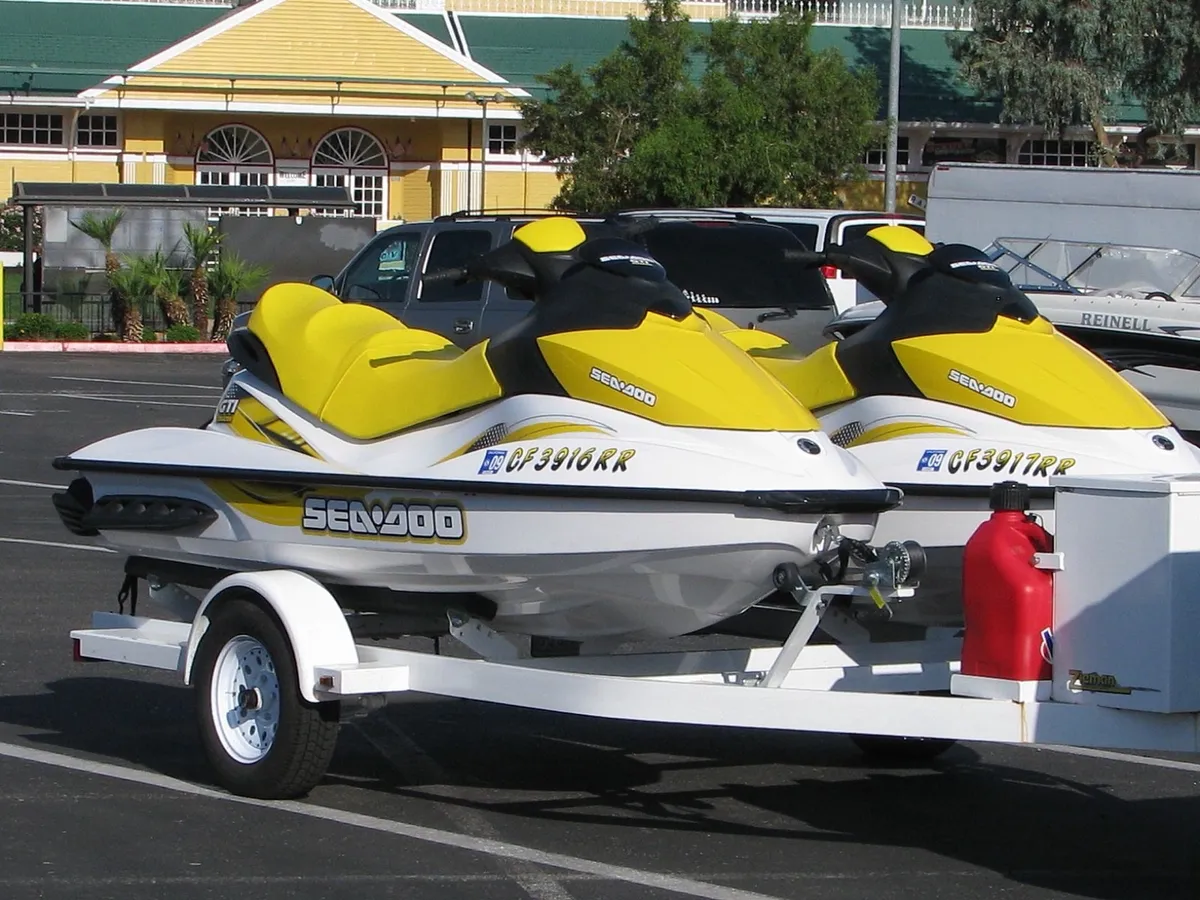
Bombardier Recreational Products started life in 1942 as L'Auto-Neige Bombardier, a Quebec company that built snowmobiles so that rural Canadians could survive winter. Joseph-Armand Bombardier's original machines were utilitarian, built for farmers and doctors who needed to reach people when the roads disappeared under six feet of snow. The recreational side came later, when the Ski-Doo turned snowmobiling into a sport. The Sea-Doo story has a false start that most people don't know about. Bombardier actually launched a personal watercraft called the Sea-Doo in 1968, two full years before Kawasaki's Jet Ski. It was a fiberglass sit-down machine with a small engine, and it flopped. The technology wasn't ready, the market didn't exist, and Bombardier shelved the whole concept. Twenty years later, in 1988, they relaunched Sea-Doo with modern materials and real power, and this time it stuck. The brand became Yamaha WaveRunner's primary rival and has been trading performance crowns ever since. BRP spun off from Bombardier Inc. in 2003, separating the snowmobiles and watercraft from the trains and airplanes. The company is headquartered in Valcourt, Quebec, the same small town where Armand Bombardier built his first snow machines in a garage. They make Sea-Doo, Ski-Doo, Can-Am, and a growing lineup of electric vehicles.
Heritage
BRP's DNA is pushing performance technology into recreational products. They were early adopters of Rotax engines (which they now own), direct fuel injection on watercraft, and closed-loop cooling systems. The Sea-Doo lineup consistently debuts features that the rest of the industry adopts two or three years later. The Bombardier family still holds significant influence in the company. There's something about a powersports manufacturer that traces its lineage to a guy who just wanted to help his neighbors get through winter. The garage in Valcourt is now a museum.