Avondale Shipyard

USA Est. 1938

The largest private employer in Louisiana for decades, located on the Mississippi River in Bridge City, just outside New Orleans. Avondale built everything from Navy amphibious assault ships to commercial tankers and cargo vessels. The yard closed in 2014 after Huntington Ingalls Industries consolidated operations, ending 76 years of shipbuilding on the lower Mississippi.

Heritage

Avondale was a blue-collar institution in Louisiana. At peak employment, over 25,000 workers built ships on the banks of the Mississippi. The yard produced destroyers and landing ships during WWII, pivoted to commercial work in peacetime, and returned to Navy contracts for amphibious warfare ships. Chevron's tanker fleet, including the vessel originally named Condoleezza Rice, came out of Avondale. The USS New Orleans (LPD-18) was among the last major warships built there. When the yard closed, it took thousands of skilled welding, fitting, and assembly jobs with it. The facility sat idle until 2023, when it began conversion to a logistics and manufacturing hub. The ships are gone, but the dry docks and slipways are still there, rusting on the riverbank.
Vessels (1)

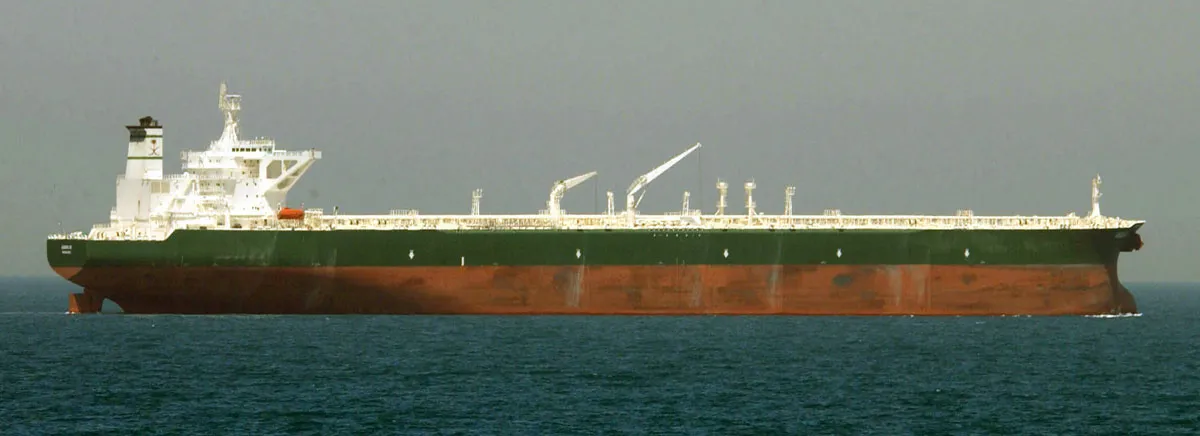
Condoleezza Rice (Altair Voyager)

Condoleezza Rice (Altair Voyager)

In 1993, Chevron named a 129,000-ton supertanker after Condoleezza Rice. She was a Chevron board member at the time, and naming tankers after board members and executives was standard practice. Nobody outside the oil industry noticed or cared. Then George W. Bush nominated Rice for National Security Advisor in late 2000, and suddenly the optics caught up. A sitting government official with a supertanker named after her by one of the world's largest oil companies. The revolving door between Big Oil and the federal government, floating around the world's oceans in 900 feet of painted steel. Chevron quietly renamed the ship Altair Voyager in April 2001, before Rice's confirmation, hoping the story would die. It didn't. It became shorthand for everything wrong with the relationship between fossil fuel companies and the people who regulate them. The ship itself is a standard VLCC. Nothing remarkable about the engineering. She carries a million barrels of crude oil across oceans, same as dozens of other tankers in the Chevron fleet. But she's the only tanker most people have heard of by name, and that's entirely because of the politics. The renaming didn't erase anything. It just made the original naming look worse. If there was nothing wrong with it, why change it? The story is a perfect capsule of how corporate power and government power blur at the edges, and how a 900-foot oil tanker became an accidental symbol of that blur. The Condoleezza Rice, whatever she's called now, is still out there hauling crude. She'll sail until the economics don't work, then she'll be beached and broken up in South Asia like every other superannuated tanker. The name on her stern was always the least important thing about her, and simultaneously the only thing that made her matter.

1993-present · tanker