Yamaha Motor Company (Marine Division)
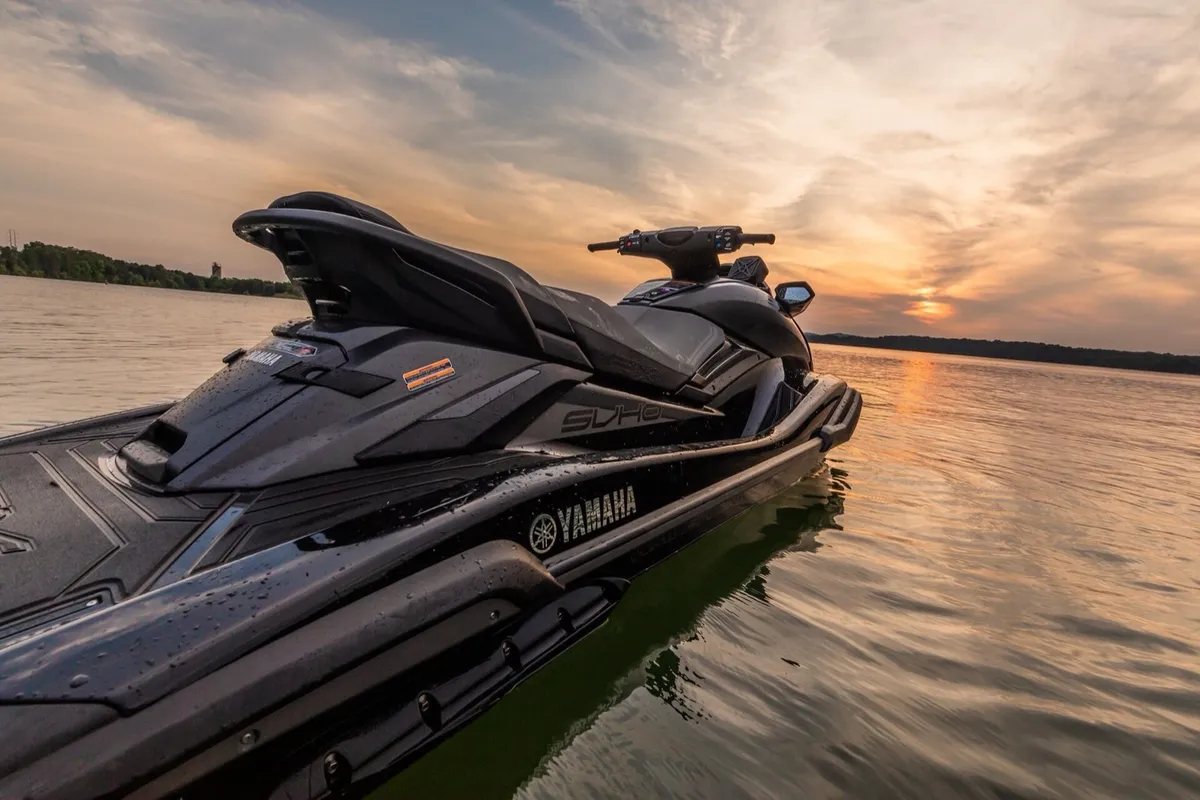
Yamaha Motor Company spun off from the musical instrument maker in 1955, and the marine division became one of its most important businesses. They are the world's largest manufacturer of outboard motors, producing everything from small portable units to massive four-stroke V8s that push offshore center consoles past 60 knots. The marine lineup extends well beyond engines into sport boats, center consoles, and the WaveRunner personal watercraft line. The WaveRunner, introduced in 1986, was the first sit-down personal watercraft on the market. Kawasaki's Jet Ski had been around since 1972, but those were stand-up machines that required athletic balance and a tolerance for getting thrown. Yamaha figured out that if you gave people a seat and handlebars, suddenly everyone from teenagers to retirees could ride. That insight turned personal watercraft from a niche toy into a mass-market product. Yamaha's engineering culture runs deep. They build their own engines, their own hulls, their own jet pumps. The four-stroke outboard revolution that cleaned up marina air quality worldwide was driven largely by Yamaha's insistence on making reliable, fuel-efficient engines that didn't trail blue smoke.
Heritage
Yamaha's marine heritage is inseparable from the Japanese manufacturing philosophy of continuous improvement. Their outboard motors are the benchmark that other manufacturers measure against, and the WaveRunner name has become nearly generic for personal watercraft the way Kleenex is for tissues. The company's musical instrument roots show up in unexpected ways. Yamaha engineers talk about engine harmonics and vibration damping with the same vocabulary their colleagues use for piano tuning. It sounds like marketing, but spend five minutes on a Yamaha four-stroke and then switch to a competitor. You can hear the difference.