Pacific Northwest Shipyards
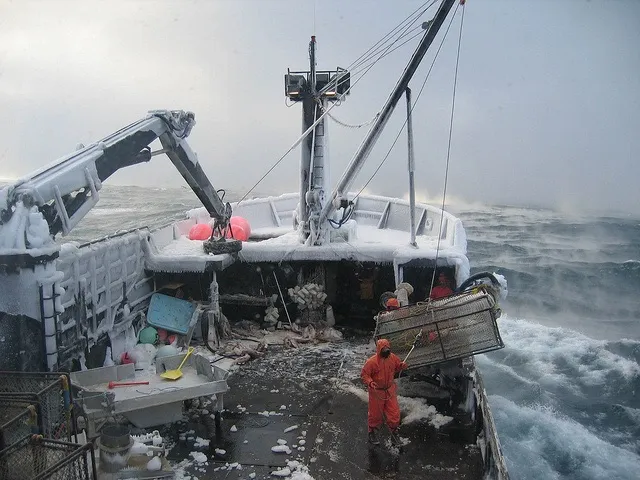
The Pacific Northwest shipyards aren't a single company. They're a collection of yards scattered around Puget Sound and the Inside Passage that build and maintain the commercial fishing fleet that works the North Pacific and Bering Sea. Names like Marco Shipyard in Seattle, Dakota Creek Industries in Anacortes, and Nichols Brothers Boat Builders on Whidbey Island. These are the shops that build the steel-hulled crab boats, trawlers, longliners, and factory processors that bring back king crab, pollock, cod, and salmon from some of the most dangerous water on earth. The yards share a common DNA: heavy steel construction, oversized scantlings, ice-class reinforcement, and the kind of redundant systems engineering that keeps a crew alive when the nearest Coast Guard station is 800 miles away. A 130-foot crab boat built at one of these yards is designed to take green water over the bow in 40-foot Bering Sea swells and keep working. The margin for error is zero, and these builders know it. The Discovery Channel's Deadliest Catch put these boats on television, but the yards were building them for decades before the cameras showed up. The F/V Northwestern, the F/V Cornelia Marie, the F/V Wizard were all built or significantly rebuilt in Pacific Northwest yards. What the show captured was real: these are extraordinarily tough vessels built by people who understand that the ocean is trying to kill everyone on board.
Heritage
The Pacific Northwest shipbuilding tradition goes back to the late 1800s, when yards in Seattle and Tacoma built wooden sailing vessels for the Pacific trade. The shift to steel came with the expansion of the Alaska fisheries in the mid-20th century, and the yards evolved to meet the demands of a fleet that operates in conditions that would be considered insane anywhere else in the commercial marine world. These yards represent a kind of industrial craftsmanship that doesn't get much public attention. There's no brand name on the hull that consumers recognize. But commercial fishermen know exactly which yard built their boat, and they have strong opinions about it. A Marco-built crab boat carries the same kind of reputation in the fishing fleet that a hand-built rifle carries among hunters. The name of the yard is the warranty.