CWF Hamilton & Co Ltd (Hamilton Jet)
Sir William Hamilton had a problem. He was a farmer on New Zealand's South Island, and the rivers he needed to navigate were braided, shallow, and full of rocks. Propellers were useless. In 1954, after years of experimentation, he perfected a waterjet drive that could push a boat through water barely deep enough to wade in. The jet unit sucked water from underneath the hull and blasted it out the back, and suddenly rivers that had been impassable became highways. The Hamilton waterjet didn't just solve one farmer's transportation problem. It fundamentally changed what was possible in shallow-water navigation worldwide. Military forces adopted jet drives for riverine warfare. Commercial operators used them for ferries in tidal zones. Search and rescue teams could reach places that would destroy a conventional propeller in seconds. The technology that Hamilton developed in rural Canterbury became a global standard. Hamilton Jet, formally CWF Hamilton & Co Ltd, is still based in Christchurch and still builds waterjet propulsion systems. They supply jet drives to military, commercial, and recreational boat builders across the world. The company doesn't build complete boats anymore. They build the thing that makes boats go where propellers can't.
Heritage
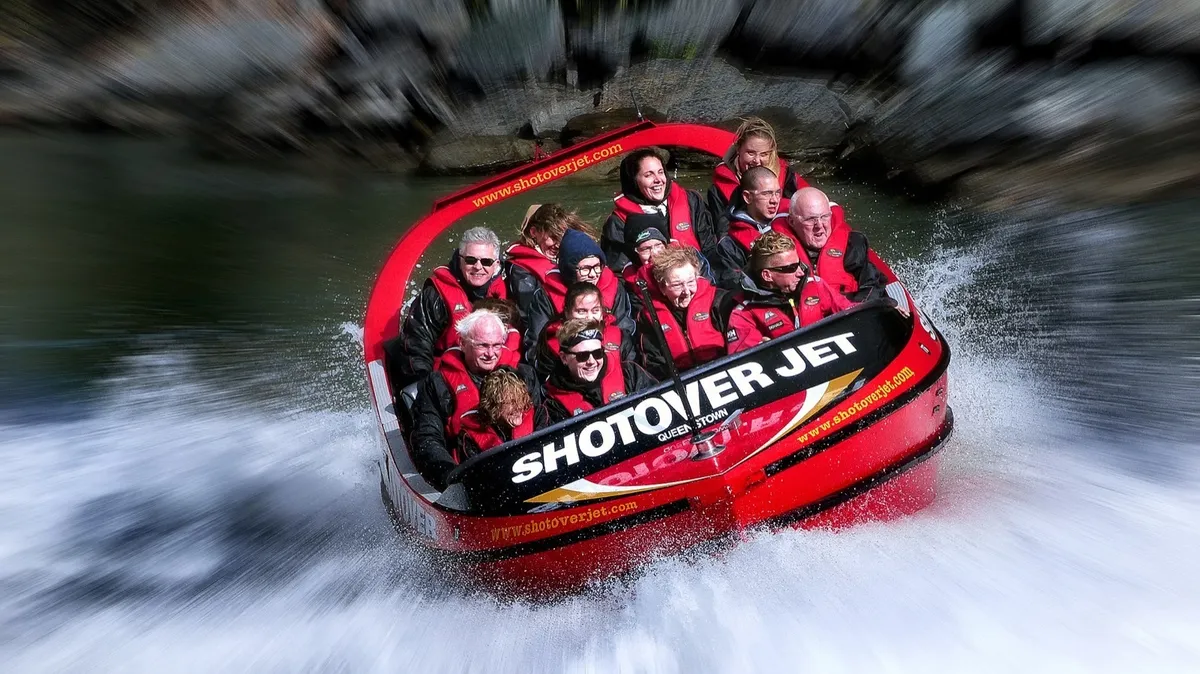
New Zealand's jet boat culture is a direct result of Hamilton's invention. The Shotover Jet in Queenstown, which screams tourists through narrow canyons at 80 kilometers per hour, runs on Hamilton jets. Every shallow-draft tour boat, every river patrol vessel, every aluminum jet sled bouncing up a salmon river in Alaska owes something to a sheep farmer who refused to accept that some water was too shallow to boat on. The Hamilton Jet brand carries weight in engineering circles that most recreational boaters never see. When a navy needs to put a 40-knot patrol boat in a river delta, or a ferry operator needs to run in harbors with shifting sandbars, Hamilton Jet gets the call.