Donald McKay
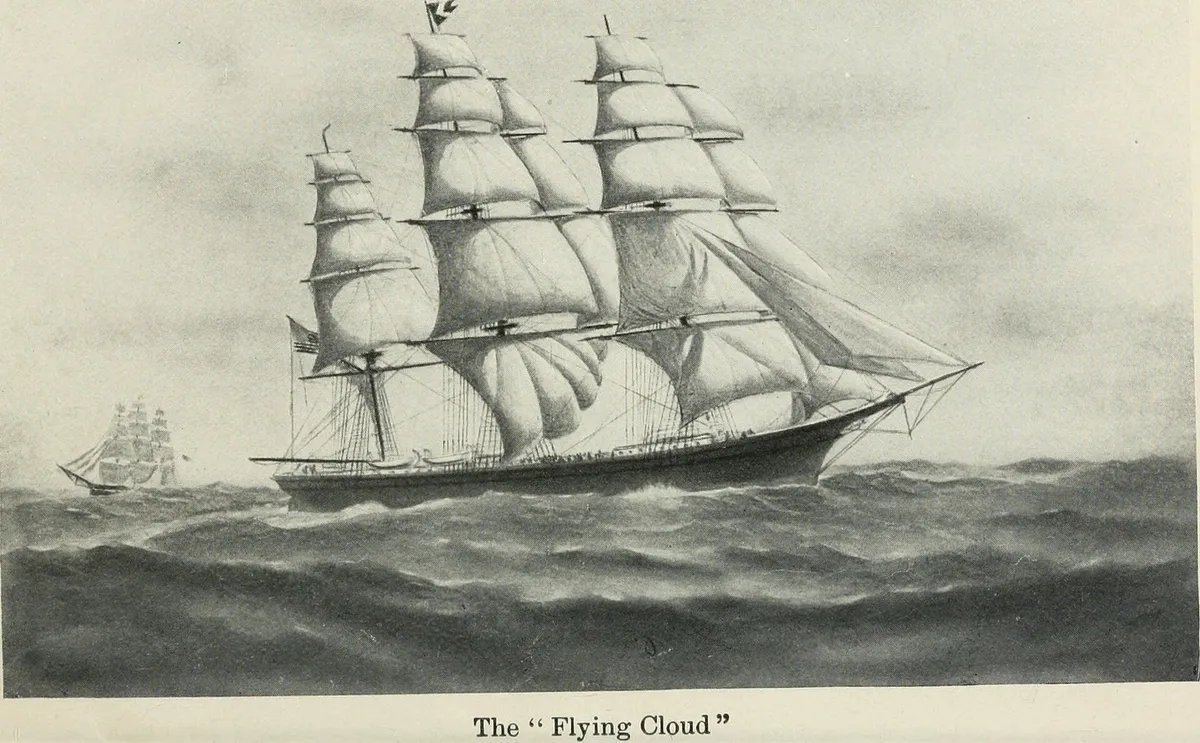
Donald McKay was the greatest clipper ship builder in American history. A Nova Scotian immigrant who learned his trade in New York shipyards, McKay opened his own yard in East Boston in 1845 and spent the next fifteen years producing the fastest sailing vessels the world had ever seen. Flying Cloud set a New York to San Francisco record of 89 days in 1851 that stood for over a century. Sovereign of the Seas was the largest merchant sailing vessel of her time. Great Republic, at over 4,500 tons, was the largest clipper ever built. McKay's genius was in hull design. His ships were longer, sharper, and more heavily sparred than anyone thought practical. Conventional wisdom said his hulls were too fine to carry cargo and too heavily rigged to survive heavy weather. His ships proved conventional wisdom wrong, repeatedly. Lightning, built for the Australian trade, logged 436 nautical miles in a single day under sail, a record that stood for decades. The clipper era was brutally short. By the late 1850s, steam was making inroads and the economic conditions that favored speed over capacity had shifted. McKay's yard built its last clipper in 1869. He died in 1880, largely forgotten by a maritime industry that had moved on to iron and steam.
Heritage
McKay represented the apex of wooden sailing ship design. His clippers were the Concorde of their era: beautiful, fast, economically marginal, and ultimately doomed by cheaper technology. The speed records his ships set were not incremental improvements. They were leaps that redefined what sailing vessels could do. McKay's personal story is the immigrant narrative at its most compelling. He arrived in New York as a teenage carpenter from rural Nova Scotia and became the most celebrated shipbuilder in the country within twenty years. His yard in East Boston employed hundreds and launched vessels that made front-page news. When the clipper era ended, so did McKay's relevance, but the ships he built remain the high-water mark of the sailing age.