Ansaldo
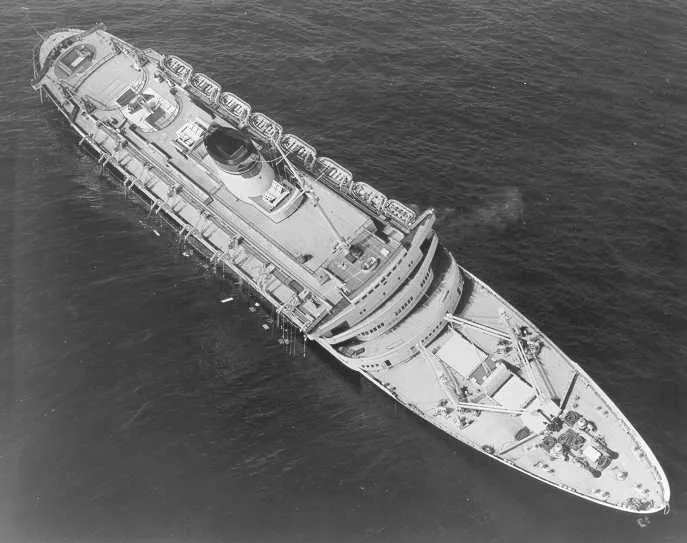
Ansaldo was one of Italy's great industrial conglomerates, founded in Genoa in 1853 by Giovanni Ansaldo. The company's shipbuilding division, based at Sestri Ponente on the Genoese waterfront, built warships, ocean liners, and merchant vessels for over a century. Ansaldo's output reflected Italy's ambitions as a Mediterranean naval power and a transatlantic passenger carrier. The yard's most famous product is SS Andrea Doria, launched in 1951 as the flagship of the Italian Line. Andrea Doria was a statement of national recovery: a luxurious, modern liner built by a country still rebuilding from wartime devastation. Her sister ship SS Cristoforo Colombo followed in 1953. Both ships represented Italian design at its most confident, with interiors by some of the country's leading artists and architects. Andrea Doria's sinking after a collision with MS Stockholm in July 1956 was the most documented maritime disaster of the television age. The ship's loss, while devastating, was also a testament to her construction: she stayed afloat for eleven hours, long enough to rescue all but 46 of the 1,660 people aboard. Ansaldo's shipbuilding operations went through multiple mergers and restructurings in the postwar decades, eventually becoming part of Fincantieri, now the world's largest shipbuilding group.
Heritage
Ansaldo embodied the Italian industrial tradition: heavy engineering combined with an aesthetic sensibility that most shipyards never attempted. Their liners were not just transportation. They were floating galleries of Italian modernist design, with commissioned artwork, custom furniture, and interior spaces that rivaled the best architecture ashore. The lineage from Ansaldo through Italcantieri to Fincantieri traces the consolidation of European shipbuilding into a handful of industrial giants. Fincantieri now builds cruise ships, naval vessels, and mega-yachts from yards across Italy and beyond. The DNA of Ansaldo's Genoese craftsmanship is still visible in their output.